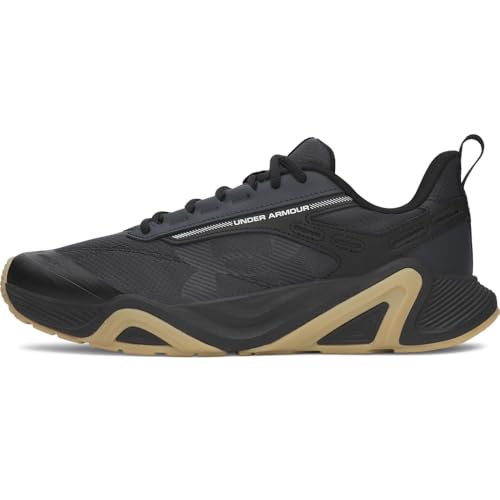
 Related pick
To choose training shoes, start by identifying your primary workout type (lifting, cardio, or mixed). Then assess your foot arch and gait. Try shoes on at the end of the day, wear your workout socks, and ensure a thumb's width of space in the toe box. Prioritize comfort and stability over style.
Choosing the right training shoes can make a real difference in your workout comfort and performance. With so many options on the market, it can be overwhelming to know what to look for. This guide cuts through the noise and gives you practical, honest advice to help you find the pair that truly fits your needs.
1. Identify Your Primary Training Activity
Before you even start looking at shoes, think about what you’ll mostly be doing in them. Different activities put different demands on your footwear. For example, a shoe that feels great for heavy lifting might be too stiff for a HIIT class with lots of jumping and agility work. Conversely, a cushioned running shoe can be unstable under a heavy squat.
If you’re mostly lifting weights, look for a shoe with a flat, firm sole and minimal heel-to-toe drop (0-4mm). This provides a stable base for squats and deadlifts. If you do a mix of cardio and weights (like CrossFit or circuit training), a cross-training shoe with a moderate heel drop (4-8mm) and a bit of lateral support is a better choice. For pure cardio, like running or jump rope, you’ll want more cushioning and a higher heel drop (8-12mm) to absorb impact.
2. Know Your Foot Type and Gait
Your foot’s arch height and how your foot lands when you move (your gait) are key factors. A simple wet test can give you a clue: wet your foot and step on a paper bag. If you see most of your footprint, you likely have flat feet (overpronation). If you see only the heel and ball of the foot, you have high arches (underpronation). A moderate curve is a normal arch.
For overpronation, look for shoes with stability features like a medial post or firmer foam on the inside of the midsole. These guide your foot into a more neutral position. For underpronation, a neutral shoe with plenty of cushioning is best, as it absorbs the shock of each footstrike. If you have normal arches, you can choose from a wide range of neutral or stability shoes, depending on your comfort preference.
3. Get the Right Fit
Fit is everything. Shoe sizes vary between brands, so don’t rely on your usual size. Try on shoes at the end of the day when your feet are slightly swollen, and wear the same socks you’ll wear for your workouts. You should have about a thumb’s width of space between your longest toe and the end of the shoe. Your heel should not slip when you walk or run.
Check the width too. Shoes come in different widths (narrow, standard, wide). If the sides of the shoe are bulging or you feel pinching, ask for a wider size. Also, consider the toe box shape. Some shoes have a more tapered toe box, which can crowd your toes. Look for a shape that allows your toes to splay naturally. If you have bunions or hammertoes, prioritize a roomy toe box.
4. Examine Key Features: Sole, Drop, and Flexibility
Pay attention to the sole. For training, you want a sole that is relatively flat and non-compressible under the heel. This provides a stable base for lifting. For running, a thicker, more cushioned sole is better for impact absorption. Check the tread pattern too. For gym use, a smooth or minimal tread is fine. For outdoor training or trail runs, look for deeper lugs for grip.
Heel-to-toe drop is the difference in height between the heel and forefoot. Lower drops (0-4mm) are better for lifting and natural foot strike. Higher drops (8-12mm) are more cushioned and can be easier on the Achilles for running. A 4-6mm drop is a versatile middle ground for mixed training. Also, flex the shoe. It should bend at the ball of the foot, not the arch. A shoe that folds in half is too flexible for lifting but fine for jogging.
5. Test Them Before You Commit
Once you have a few contenders, do some simple tests in the store. Jump, squat, lunge, and jog in place. Pay attention to any pressure points or hot spots. The shoe should feel secure but not tight. Walk on a slope or use a small step to see if your heel lifts. If you can, bring the shoe home and try it on your own floor for a few minutes. Many stores have a 30-day return policy even if worn, so take advantage of that.
Don’t be swayed by flashy colors or celebrity endorsements. Focus on function. The best training shoe is the one that fits your foot, matches your activity, and feels comfortable from the first step. Once you find that pair, you’ll look forward to every workout. Remember, your feet are your foundation; invest in them wisely.
Frequently asked questions
How often should I replace my training shoes?
Replace training shoes every 300-500 miles of use, or every 6-12 months if you train regularly. Signs it's time include worn-out tread, flattened cushioning, or discomfort in your feet or knees.
Can I use running shoes for weightlifting?
Running shoes are not ideal for weightlifting. Their thick, cushioned soles are unstable under heavy loads and can reduce power transfer. For lifting, choose a flat, firm-soled shoe.
Should I buy training shoes a size bigger?
You should leave about a thumb's width of space at the toe to prevent blisters and allow for foot swelling during workouts. This often means going up half a size from your casual shoe size.
What is the difference between cross-training shoes and running shoes?
Cross-training shoes are designed for multi-directional movements and have more lateral support, a flatter sole, and moderate cushioning. Running shoes are built for forward motion with more cushioning and a higher heel-to-toe drop.
Looking to buy? See our Footwear guides for tested picks.