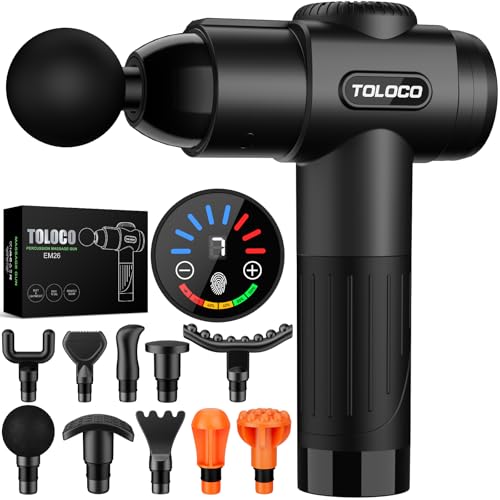
Yes, a massage gun can help relieve sore muscles by increasing blood flow, reducing muscle tension, and speeding up recovery. However, it's not a cure-all; proper hydration, stretching, and rest are still essential. Use with caution on sensitive areas.
If you’ve ever woken up after a tough workout feeling like you got hit by a truck, you’ve probably wondered if a massage gun could help. These handheld devices have become incredibly popular, promising quick relief from muscle soreness. But do they actually work? Let’s cut through the hype and look at the evidence, best practices, and limitations so you can decide if it’s worth adding to your recovery routine.
What Is a Massage Gun and How Does It Work?
A massage gun, also known as a percussive therapy device, uses rapid bursts of pressure to deliver deep vibrations into muscle tissue. The idea is to mimic the tapping motion of a professional massage, but with greater speed and intensity. Typically, these devices come with interchangeable heads to target different muscle groups, allowing you to adjust the pressure and frequency.
At a mechanical level, the gun’s motor drives a piston that pounds back and forth several times per second. This action creates a percussive effect that penetrates layers of muscle, potentially loosening tight fascia and stimulating blood flow. The sensation can be both invigorating and soothing, depending on the speed setting and how long you use it on a particular area.
Many users appreciate the convenience of being able to self-treat at home, but it’s important to understand the underlying physiology. Percussive therapy is thought to work by promoting vasodilation, the widening of blood vessels, which increases circulation to the area. This can help flush out metabolic waste products like lactic acid and deliver oxygen-rich blood to aid recovery.
Scientific Evidence: Does It Actually Reduce Soreness?
Research on massage guns is still relatively new, but some studies suggest they can help reduce delayed onset muscle soreness, or DOMS, after intense exercise. Research on percussive therapy has found that using it immediately after intense leg exercise can meaningfully reduce perceived soreness in the following 24 to 48 hours compared to no treatment.
Another small study from the same journal looked at range of motion and recovery markers. Participants who used a massage gun on their hamstrings showed better flexibility and less muscle tenderness than those who did nothing. However, the benefits were modest, and the study noted that results varied based on the intensity and duration of treatment.
While these findings are promising, it’s important to keep expectations realistic. Massage guns are not a miracle cure. They can help manage soreness, but they don’t address the root cause of muscle damage. Proper recovery also requires good nutrition, hydration, sleep, and active recovery like light stretching or walking.
Best Practices for Using a Massage Gun Safely
To get the most out of your massage gun while avoiding injury, follow a few simple rules. Always start with the lowest speed setting and gradually increase as needed. Spend about 15 to 30 seconds per muscle group, and avoid lingering on one spot for more than a minute. The goal is to stimulate, not bruise.
Never use the gun directly on bones, joints, or areas with thin soft tissue like the shins or top of the foot. Also avoid the neck, spine, and any area that feels sharp or painful when pressed. If you have a history of blood clots, fractures, or herniated discs, consult a healthcare provider before use.
Timing matters too. Using a massage gun before a workout can help warm up muscles and improve flexibility, while using it after exercise may aid in recovery. But be mindful that aggressive use immediately after a heavy lift might further irritate damaged muscle fibers. Listen to your body and stop if you feel increased pain.
Limitations: When a Massage Gun Might Not Help
Massage guns are not a one-size-fits-all solution. For chronic pain conditions like fibromyalgia or myofascial pain syndrome, percussive therapy might aggravate symptoms rather than relieve them. Similarly, if you have an acute injury such as a muscle tear or tendonitis, the high intensity can worsen inflammation and delay healing.
They are also less effective for deep muscle knots or trigger points that require sustained pressure. A massage gun’s rapid tapping primarily targets superficial layers, so for deep tissue work, a professional massage therapist may be needed. Additionally, if your soreness is due to poor posture or overuse, addressing the underlying movement patterns is more important than any device.
Finally, remember that massage guns can be noisy, and the heavy vibration may be uncomfortable for some people. They also require you to hold and maneuver the device, which can be tiring if you’re already sore. If you find it cumbersome, a simple foam roller or manual stretching might be just as effective.
Final Verdict: Are Massage Guns Worth It for Sore Muscles?
For the average fitness enthusiast, a massage gun can be a useful tool for managing muscle soreness and speeding up recovery. The evidence supports moderate benefits, especially when used correctly and combined with other recovery strategies. Many users report feeling looser and less stiff after a session.
However, it’s not a replacement for foundational recovery habits. Prioritize sleep, nutrition, and rest. If you have the budget and enjoy the sensation, a massage gun is a fine addition to your arsenal. But don’t expect it to fix everything. If you experience persistent or sharp pain, see a medical professional.
Ultimately, the best recovery tool is the one you use consistently and safely. If a massage gun helps you feel better and move better, then by all means, use it. Just be honest with yourself about its limits and don’t fall for marketing hype that promises miracles.
Frequently asked questions
Can I use a massage gun every day?
Yes, you can use a massage gun daily, but limit each muscle group to a few minutes total. Overuse can lead to bruising or inflammation, so listen to your body and avoid prolonged contact on any one spot.
Is a massage gun better than a foam roller?
Neither is strictly better; both have pros and cons. Massage guns provide percussive therapy that can reach deeper layers, while foam rollers allow you to use your body weight for sustained pressure. Many people use both for different purposes.
Can a massage gun help with back pain?
It might help with mild muscle tension in the back, but avoid using it directly on the spine or kidneys. For chronic or severe back pain, consult a healthcare provider before using a massage gun.
Are there any side effects of using a massage gun?
Possible side effects include bruising, soreness, or increased inflammation if used too aggressively or on injured areas. Rarely, it may cause nerve irritation or aggravate underlying conditions like blood clots.
Looking to buy? See our Massage Guns guides for tested picks.