 Related pick
Grip socks have silicone or rubber grips on the sole for traction on smooth surfaces, making them ideal for yoga, Pilates, and barre. Regular socks are for everyday wear and athletic activities where grip is not essential, but they lack slip resistance.
Choosing between grip socks and regular socks might seem trivial, but the right pair can make a real difference in your workout comfort and safety. Whether you’re flowing through yoga poses, sweating through a Pilates session, or just hitting the gym for a run, understanding the pros and cons of grip socks versus regular socks will help you make an informed decision. Let’s break down the key differences without the hype.
What Are Grip Socks?
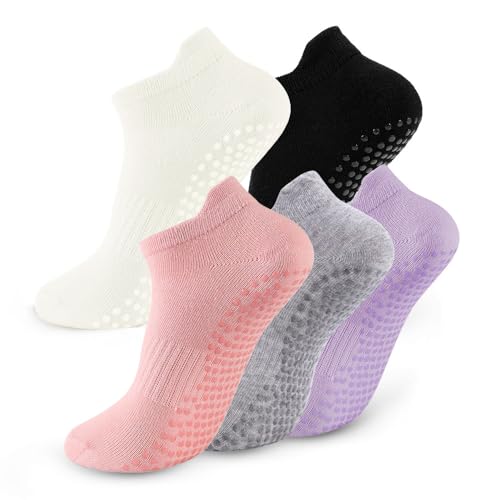
Grip socks are specially designed socks with silicone, rubber, or other non slip patterns printed on the sole. These grips provide traction on smooth surfaces like studio floors, yoga mats, and Pilates reformers. They are commonly used in barre, yoga, Pilates, and even for indoor cycling or trampoline fitness. Many brands offer grip socks in various heights and materials, from thin cotton blends to moisture wicking synthetics.
The grips come in different patterns for optimal slip prevention. Some cover the entire sole, while others focus on the heel, ball of the foot, and toes. This design helps you maintain stability during poses or movements that require barefoot like feel but with added safety. Grip socks are also popular in clinical settings for fall prevention, though we’ll focus on fitness here.
What Are Regular Socks?
Regular socks are the everyday staple found in everyone’s drawer. They are made from cotton, wool, polyester, or blends, and their primary function is to absorb sweat, provide cushioning, and protect feet from shoes. They come in countless styles from no show to crew length, and are designed for general comfort and durability. Regular socks don’t have any added traction features on the sole.
For most activities like running, walking, or weightlifting, regular socks work fine inside shoes. But when you take off your shoes for floor based workouts, regular socks can become slippery on smooth surfaces. That’s where grip socks become relevant. Regular socks also lack the moisture wicking and odor control features that some athletic grip socks offer, but they are generally more affordable and versatile for daily use.
Performance Differences: Traction, Stability, and Safety
The most significant difference between grip socks and regular socks is traction. Grip socks provide a secure connection to the floor or mat, reducing the risk of slipping during dynamic or balance heavy movements. In yoga, for instance, gripping the mat with your feet helps stabilize poses like downward dog or warrior. Without grip, your feet might slide, forcing you to use more muscle tension to stay still, which can lead to fatigue or poor form.
Regular socks, on the other hand, have smooth soles that slide on wood, vinyl, or mat surfaces. While this might be fine for lounging or casual walking, it can be dangerous in a fast paced class. Studies have shown that grip socks can reduce slip related injuries in studio settings. Additionally, some grip socks incorporate arch support or padded soles for extra comfort and stability. However, grip socks are not ideal for all activities: if you wear them inside shoes, the grips can bunch up or cause discomfort, so they are best used barefoot or with minimal footwear.
Material and Construction: What to Look For
Grip socks are typically made with a blend of cotton, polyester, spandex, and nylon for stretch and moisture management. The grip material is usually silicone, which is durable but can lose effectiveness if washed with fabric softener. Many grip socks feature reinforced toes and heels to withstand repeated use in class. They often have a snug fit to keep the grip in contact with the sole. Some have terry cloth cushioning in high impact areas.
Regular socks vary widely in material and construction. Cotton socks are comfortable but hold moisture, which can lead to blisters during intense workouts. Synthetic blends wick sweat better and dry faster. Cushioning can be uniform or targeted, and some have arch compression. While regular socks focus on general foot health, grip socks prioritize traction for specific activities. For most studio classes, grip socks are worth the investment, but for everyday wear, regular socks suffice.
Which Should You Choose?
Your choice depends on your activity. If you attend yoga, Pilates, barre, or any class that requires you to be barefoot or wear socks on a mat, grip socks are highly recommended for stability and safety. They allow you to focus on your form without worrying about slipping. For gym workouts where you wear shoes, stick with regular athletic socks that provide cushioning and moisture control.
If you’re on a budget or attend occasional classes, you can try no show regular socks with a grippy mat, but the experience won’t be the same. Grip socks also make great dedicated studio socks to keep clean and avoid slipping. Ultimately, neither is inherently better; it’s about matching the sock to the activity. For the best experience, own a few pairs of grip socks for studio days and rely on regular socks for everything else.
Frequently asked questions
Can I wear grip socks with shoes?
Grip socks are not designed for shoe wear. The grips can be uncomfortable and may wear out quickly. They are best used barefoot for studio workouts.
Do grip socks really prevent slipping?
Yes, the silicone or rubber patterns provide significant traction on smooth surfaces, reducing the risk of slipping during yoga, Pilates, or barre.
Are grip socks machine washable?
Most grip socks can be machine washed on a gentle cycle, but avoid fabric softener as it can damage the grip coating. Air drying is recommended.
Can I use regular socks for yoga or Pilates?
You can, but they may cause you to slip on the mat or floor. For safety and better performance, grip socks are a smart choice.
Looking to buy? See our Accessories guides for tested picks.