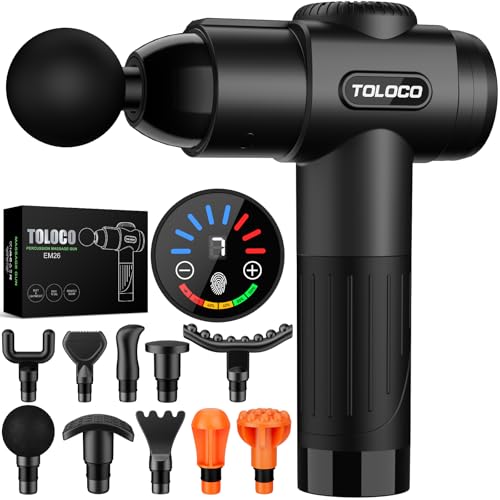
Expensive massage guns and muscle stimulators can be worth it if you have chronic muscle tension or are a regular athlete needing deep tissue relief. However, for casual use, mid range options often deliver similar results. Focus on features that matter to you, like noise level and battery life, not just the price tag.
Walking into any gym or scrolling through fitness social media, you have likely seen the latest massage guns and muscle stimulators promising faster recovery and less soreness. With price tags ranging from budget friendly to well over a few hundred dollars, it is natural to ask: Are the expensive ones really better? As an editor at SweatPicks, I have looked past the marketing to give you the honest, practical answer. This article breaks down what you get for extra money, when it matters, and when you can absolutely save your cash.
What Do Expensive Massage Guns Offer?
High end massage guns often boast stronger motors, longer battery life, and quieter operation. Brands like Theragun and Hyperice have spent years refining their ergonomics and build quality. A premium gun may deliver deeper, more percussive force with less vibration in your hands, which can be a real advantage if you have large muscle groups or chronic tightness.
However, not everyone needs that extra power. If you are using it a few times a week for general soreness, a mid range gun with similar stall force and battery life will serve you just fine. The real differentiator often comes down to noise level and comfort of use. Expensive models tend to be quieter and have better grip design, which reduces fatigue during longer sessions.
Another factor is attachment variety. Higher priced guns usually include multiple heads designed for specific areas, but cheaper ones often come with adequate options too. Before spending extra, ask yourself whether you truly need the quietest or most powerful device on the market, or if a solid mid range option meets your needs.
Muscle Stimulators: Are Premium Models Better?
Muscle stimulators, or EMS (electrical muscle stimulation) devices, range from simple TENS units to sophisticated recovery systems. Expensive models often offer more pre programmed routines, stronger pulse options, and better gel pad adhesion. Brands like Compex have clinical research backing their wave patterns for recovery and strength.
For most people, a mid range stimulator with adjustable intensity and a few programs is plenty. The key is proper pad placement and consistent use, not fancy features. The main advantage of pricier stimulators is durability and pad longevity. Cheaper pads may lose stickiness quickly, requiring frequent replacement, which adds to long term cost.
If you have specific rehab goals or are an athlete pushing recovery limits, an advanced stimulator could be worth the investment. But for occasional use or general relaxation, a budget friendly option will deliver similar muscle activation. Always check pad size and compatibility before buying.
Features That Justify a Higher Price
When evaluating expensive gear, focus on features that actually enhance your recovery. For massage guns, stall force (how much pressure you can apply before the motor stops) is critical. Higher stall force means you can press harder without the gun bogging down, which matters for deep tissue work. Also, battery life: premium guns often last 2 to 3 hours, while cheaper ones may stop after 45 minutes.
Quiet operation is another legitimate premium benefit. If you live in an apartment or use the device while watching TV, a quiet motor saves your sanity. Some low cost guns sound like a jackhammer. For stimulators, look for adjustable pulse width and frequency that allow you to customize the sensation. Also, Bluetooth connectivity for guided programs can make a difference if you like structure.
Build quality, warranty, and customer support also factor in. A well known brand typically offers a 1 to 2 year warranty, while generic models may have none. If something breaks, a reputable company will replace it quickly. That peace of mind can be worth the extra cost.
When to Avoid the Premium Price Tag
If you are new to recovery tools or only use them occasionally, an expensive massage gun or stimulator is likely overkill. Many budget models under 150 dollars perform admirably for light to moderate use. Read reviews specifically for noise level and battery life to avoid common complaints.
Also, avoid paying extra for flashy app integrations if you do not need them. Some apps are clunky and not worth the premium. Similarly, extreme portability is overrated unless you travel frequently. A gun small enough to fit in a gym bag is nice, but not if it sacrifices power and battery.
Another red flag is overpromising health claims. No device can replace professional medical treatment or cure injuries. If a product claims to “detoxify” muscles or “melt fat”, skip it. Honest recovery tools have realistic benefits: temporary pain relief, increased blood flow, and relaxation.
Making the Right Choice for Your Needs
To decide, start by identifying your primary use. Are you a marathon runner needing daily deep muscle work? Then a high end massage gun with high stall force and low noise is worth it. Do you have a desk job with occasional neck tension? A mid range gun with a few attachments will do. For stimulators, if you are recovering from an injury under a therapist’s guidance, the precision of a premium model helps. Otherwise, a simple TENS unit may be enough.
Consider the total cost of ownership. Cheap stimulators require frequent pad replacements, which can add up. Massage guns with sealed lithium batteries may die after a year, while some premium models have replaceable batteries. Factor in these practicalities.
Ultimately, the best tool is one you will use consistently. An expensive device gathering dust is a waste, while a mid range one used daily provides real value. Listen to your body and be honest about your recovery habits. Your money is better spent on a foam roller or a few sessions with a physical therapist if you are not committed to using the device.
Frequently asked questions
Do expensive massage guns provide deeper muscle relief than cheaper ones?
Yes, often. Premium models have higher stall force, allowing you to press harder without the motor stopping, which can reach deeper muscle layers. However, this is only beneficial if you actually need that much pressure; many people get sufficient relief from mid range guns.
Are muscle stimulators worth it for everyday muscle recovery?
They can be useful for reducing soreness and improving blood flow, but consistency is key. For most people, a basic EMS unit with adjustable intensity works just as well as an expensive one for general recovery.
Will a cheaper massage gun break quickly?
Not necessarily, but build quality varies. Some budget options last years, while others fail within months. Read reviews and look for models with a good warranty to mitigate risk.
Can I use a muscle stimulator to build strength?
EMS can assist with muscle activation and recovery, but it will not replace actual resistance training for strength gains. It is more of a supportive tool than a primary training method.
Looking to buy? See our Balance Recovery guides for tested picks.