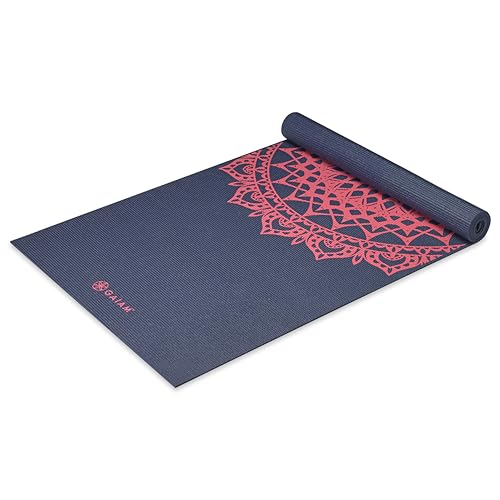
Replace your yoga mat every 6 to 12 months if you practice regularly (3-5 times per week). With lighter use, every 1-2 years is fine. Signs it's time: loss of grip, peeling, tears, lingering odor, or visible wear.
Your yoga mat is more than just a surface: it’s your foundation for practice. But like any hardworking gear, it doesn’t last forever. Knowing when to replace your mat keeps your practice safe, hygienic, and comfortable. This guide will help you spot the signs and decide based on your routine and mat type.
Signs Your Yoga Mat Needs Replacing
Your mat is trying to tell you something. Loss of grip is the most obvious sign. If you find yourself sliding in downward dog or your hands slip in poses that used to feel stable, the surface has worn down. Also look for visible wear like peeling, flaking, or cracks. Thin spots or holes are clear indicators the mat can no longer provide proper cushioning or support.
Another clue is hygiene. Mats absorb sweat, oils, and bacteria over time. Even with regular cleaning, a mat that develops a persistent odor or stains that won’t come out is past its prime. Remember that a mat’s padding compresses with use, so if your knees or wrists feel sore after practice, the mat may have lost its shock absorption.
How Often to Replace Based on Your Practice Frequency
How often you practice is the biggest factor. If you practice yoga 3-5 times per week, plan to replace your mat every 6 to 12 months. For daily hot yoga sessions, even sooner – every 6 months may be necessary because sweat and heat break down materials faster. If you practice 1-2 times per week, a mat can last 1 to 2 years. Occasional users (once a week or less) can often go 2+ years.
Consider also if you do gentle vs. vigorous styles. A dynamic vinyasa or power yoga practice puts more wear and tear on the mat than restorative or yin yoga. Hot yoga specifically accelerates the breakdown of foam and rubber, so hot practitioners should watch for early signs of wear.
Mat Material Matters: PVC, Rubber, Cork, and Others
Different materials have different lifespans. PVC mats are durable and cheap, but they can start to peel after 6-12 months of regular use. They also become slippery as the surface wears. Natural rubber mats offer great grip but can break down faster when exposed to moisture and sunlight. Many rubber mats last 6-12 months with frequent practice. Cork mats are antimicrobial and durable, but the cork layer can wear off, reducing grip. They tend to last 1-2 years with care.
TPE mats are eco-friendly and lightweight but often less durable, sometimes showing wear within 6 months. Jute and other natural fiber mats may fray or develop thin spots after 1 year. If you have a high-end mat (like a thick or premium material), it may last longer with proper care, but no mat is invincible. Expect to replace any mat eventually, regardless of the initial quality.
How to Extend the Life of Your Yoga Mat
You can get the most out of your mat with simple habits. Clean your mat after every practice using a gentle spray (water, a drop of dish soap, and a splash of vinegar). Avoid harsh chemicals that degrade foam. Let it air dry fully before rolling it up. Store your mat out of direct sunlight and extreme heat, because UV rays and high temperatures accelerate material breakdown. Roll your mat with the top side facing out to prevent curling edges.
Rotate your mats if you have more than one, and avoid wearing shoes on the mat. Use a yoga towel on top for hot practices to absorb sweat and protect the mat’s surface. If you notice a small worn spot, you can patch it with a repair kit, but eventually full replacement is safer for consistency and safety.
Safety and Hygiene: When Not to Wait
Sometimes you should replace a mat immediately, not wait for the 6-month mark. If the surface is peeling or flaking, it can get in your eyes or mouth during practice. Tears or holes can cause you to trip or lose stability. A mat that smells sour even after cleaning is a breeding ground for bacteria that can cause skin issues.
Also, if you’ve had a skin infection or your mat has been exposed to someone else’s sweat (like in a class or shared mat), consider replacing it. Your health is worth more than the cost of a new mat. Trust your senses: if it looks, smells, or feels ‘off,’ it’s time for a fresh start.
Frequently asked questions
Can I clean my yoga mat to make it last longer?
Yes, regular gentle cleaning with a mild soap and water solution can significantly extend a mat's life. Avoid soaking or using harsh chemicals that may degrade the material.
What is the lifespan of a high-end yoga mat?
High-end mats made from natural rubber or premium PVC can last 1-2 years with frequent practice, and longer with light use. However, no mat is permanent, and wear will still occur over time.
Does hot yoga require more frequent mat replacement?
Yes, hot yoga accelerates mat breakdown due to sweat and heat. Expect to replace your mat every 6 months or sooner if you notice loss of grip or odor.
How do I know if my mat is too worn for proper grip?
If you slip during downward dog or feel your palms skid in standing poses, the mat has lost grip. Also check for shiny or smooth areas on the surface, which indicate wear.
Looking to buy? See our Yoga Mats guides for tested picks.