 Related pick
A smart home gym uses technology like apps, sensors, and motorized resistance to enhance workouts. Key equipment includes adjustable dumbbells, a smart bike or treadmill, and a digital weight rack. Choose based on space, goals, and tech preference, not brand hype.
Building a home gym that actually works for you means choosing equipment that fits your space, goals, and tech comfort level. Smart home gym gear can track progress, offer guided workouts, and save space, but not every shiny gadget is worth your money. Here’s how to cut through the noise and pick what matters.
What to Look for in Smart Home Gym Equipment
Smart equipment connects to apps or the internet to track reps, resistance, heart rate, or even guide your form. The best smart gear focuses on durability, adjustability, and reliable tech features. Avoid anything that needs a monthly subscription to function unless you’re committed to that ecosystem. Look for equipment with a solid warranty and replacement parts availability.
Consider the footprint. Many smart home gyms aim to replace multiple pieces of gear, but that often means a larger footprint. Measure your space before buying. Also think about noise: motorized resistance can be loud. Try it in a showroom if possible. Prioritize equipment that you’ll actually use, not the one with the most features.
Smart Strength Training Options
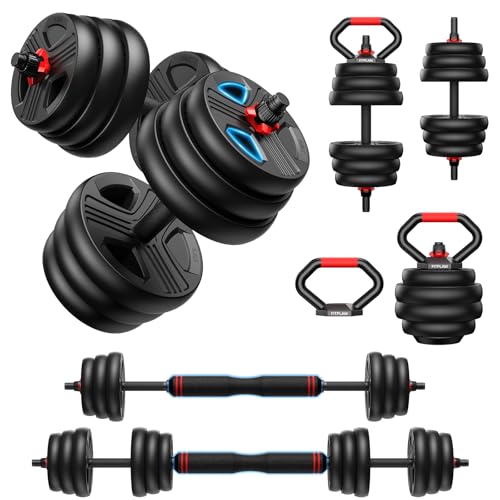
Smart strength equipment includes digital dumbbells, cable machines, and weight stacks with automated adjustments. These systems let you change resistance with a button or app instead of manually swapping plates. They’re great for small spaces or rapid set changes during circuit training. Examples include motorized dumbbells that dial weight up or down and cable towers with digital weight selection.
However, these come with tradeoffs. Motorized parts can break, and digital screens may become outdated. Manual adjustable dumbbells are simpler, more durable, and often cheaper. If you’re a dedicated lifter, traditional iron plates or a good barbell set might suit you better. Smart gear is best if you value convenience and tracking over sheer simplicity or heavy loads.
Smart Cardio Machines: Bikes, Treadmills, and Rowers
Smart treadmills, bikes, and rowers come with built-in screens and subscription classes. They can motivate you with structured programs and virtual environments. The key is to choose a machine with steady, quiet operation and a robust build. Check the maximum user weight and belt or flywheel quality. Smart features like automatic incline or resistance adjustments can improve workouts, but they’re not essential for a good sweat.
For most people, a simple, well-built machine with a tablet holder is more practical than an all-in-one smart screen, which adds cost and can become obsolete. If you love on-demand classes, a smart bike or treadmill with a good library may be worth it, but be honest about whether you’ll actually use the subscription long term. Many users stop after a few months.
Smart Home Gym Systems: All-in-One Solutions
All-in-one smart home gyms combine resistance training, cardio, and sometimes yoga into a single machine. They use cables, pulleys, or motorized resistance to offer hundreds of exercises. These systems often feature a large screen with live or on-demand classes. They save space compared to separate machines, but they’re still bulky and can be heavy. Setup usually requires a dedicated space and sometimes professional assembly.
These systems are best for people who want variety and guidance without owning multiple pieces of gear. But be aware: they can’t match a full squat rack for heavy lifting, and the subscription cost may rival a gym membership. Before buying, ask yourself if the convenience outweighs the price and space commitment. Many users find they stick with just a few exercises, making a simpler setup more sensible.
Smart Accessories: Wearables, Sensors, and Apps
Smart accessories like fitness trackers, heart rate monitors, and form sensors can upgrade any home gym. A good heart rate monitor helps you train in the right zone, and a smart jump rope or resistance band with sensors can track reps and intensity. These are relatively cheap and don’t require a big footprint. They can make your existing equipment smarter without buying new machines.
Similarly, workout apps that guide you through routines and log your progress can be a cost effective way to add structure. The downside: sensors can be finicky, and batteries need charging. Choose accessories that sync with the platforms you already use. Avoid buying a whole ecosystem of accessories from a single brand unless you’re sure you’ll stick with it. A simple stopwatch and a free app can be just as effective for many.
Frequently asked questions
Do I need a subscription for smart home gym equipment?
Many smart systems require a monthly subscription for full features like classes and tracking. Some offer free basic modes. Check if the equipment works without a subscription before buying, or you may end up with a paperweight.
Can smart equipment replace a traditional gym?
For general fitness and moderate strength, yes. But for heavy powerlifting or advanced bodybuilding, traditional barbells and plates are still best. Smart gear is convenient but has weight limits.
Is smart home gym equipment noisy?
Motorized resistance and treadmills can be noisy. Look for models with quiet motors and reviews that mention sound levels. Cable machines with weight stacks are quieter than air resistance rowers.
How much space do I need for a smart home gym?
All-in-one systems need about a 6×8 foot area plus ceiling height for overhead presses. Smaller smart dumbbells and accessories require much less. Always measure your room and doorways before purchasing.
Looking to buy? See our Strength Training guides for tested picks.