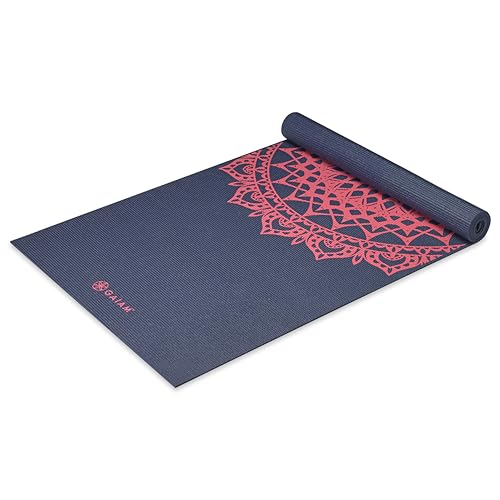
To make a yoga mat less slippery, clean it regularly with a mild soap and water solution to remove oils and residue. For extra grip, lightly mist the mat with water or a DIY saltwater solution before practice. Alternatively, use a yoga towel or non-slip mat spray.
If you have ever found yourself sliding into a wobble in Downward Dog or struggling to hold a pose in a sweaty class, you know how frustrating a slippery yoga mat can be. A lack of grip not only disrupts your flow but can also increase the risk of injury. The good news is that you don’t need to buy a brand new mat to fix this issue. With a few simple techniques and a little upkeep, you can restore traction and get back to a stable, confident practice. In this article, we will cover practical, honest methods to make your yoga mat less slippery, from cleaning hacks to easy DIY treatments.
Why Is My Yoga Mat Slippery?
Before you start troubleshooting, it helps to understand what is causing the slipperiness. New yoga mats often have a manufacturing residue that can make them slick. Over time, mats accumulate dirt, sweat, oils from your skin, and soap residue from cleaning products. These substances create a film that reduces friction between your hands and feet and the mat surface. Even high quality mats can become slippery if not maintained properly.
Environmental factors also play a role. High humidity can make mat surfaces feel damp and slippery. Heat, especially in hot yoga classes, can cause you to sweat more, increasing the slickness. Additionally, some mats naturally have less grip than others, such as those made of PVC or certain synthetic materials. By identifying the root cause, you can choose the most effective solution.
If you have a mat that was slip resistant when new but has become slippery over time, the culprit is likely buildup. If it has always been slippery, you may need a different material or to try one of the treatments we cover below.
Clean Your Mat the Right Way
The simplest and most effective way to improve grip is to clean your mat thoroughly. Many people use harsh cleaners or let their mat get too dirty, which actually makes the problem worse. For a deep clean, mix a few drops of mild dish soap or a gentle castile soap with warm water. Dampen a soft cloth or sponge with the solution (do not soak the mat) and wipe down the entire surface. Rinse by using a clean cloth with just water to remove any soap residue. Hang the mat to dry completely before rolling it up.
For regular maintenance, you can use a homemade spray: mix equal parts water and white vinegar in a spray bottle. Lightly mist the mat after each use and wipe with a towel. Vinegar helps remove oils and bacteria without leaving a slippery film. Avoid using bleach, alcohol, or abrasive cleaners, as these can damage the mat material and reduce its natural grip over time.
If your mat has a textured surface, pay extra attention to cleaning the grooves where dirt can accumulate. For open cell mats like natural rubber or cork, be gentle with scrubbing to avoid breaking down the material. Clean mats not only provide better traction but also last longer.
Try a DIY Saltwater Spray for Instant Grip
If cleaning alone does not do the trick, a simple saltwater spray can add significant traction. Mix one teaspoon of sea salt into a spray bottle with about a cup of water. Shake until the salt dissolves. Lightly mist your mat before practice, then let it sit for a minute before you start. As you move, the salt particles create micro abrasion that helps your hands and feet stick better.
This trick works well for newer mats that still have some grip but need a boost. It is also a good option for hot yoga, because the salt can help absorb some moisture. However, use it sparingly: too much salt can leave a gritty residue or dry out the mat over time. For best results, apply the spray only to problem areas like where your hands and feet land.
After your session, rinse the mat with water or wipe it with a damp cloth to remove the salt. Let it dry fully before storing. This method is inexpensive, chemical free, and can last through a whole practice.
Use a Yoga Towel or Mat Grip Accessories
When your mat is simply too slippery despite cleaning, a yoga towel can be a lifesaver. These towels are designed to lie over your mat and provide a non slip surface. They come in microfiber versions that grip better when wet or cotton versions for those who prefer a more natural feel. Simply lay the towel over your mat before practice, and it will absorb sweat and prevent sliding.
Another option is a mat grip spray or silicone patches. Many companies make natural grip sprays from tree resin or other plant based ingredients. These sprays add a tacky layer that dries quickly and can last through an entire class. For a more permanent solution, you can apply adhesive grip dots or strips to the bottom of your hands and feet areas on the mat. These are easy to remove and replace as needed.
Yoga gloves and socks with rubber grips are also available, but many practitioners prefer not to use them because they can alter the feel of the mat. If you go this route, choose ones with breathable fabric and minimal padding to maintain connection with the mat.
Replace or Upgrade Your Mat if Needed
If you have tried cleaning, saltwater sprays, and towels but your mat is still too slick, it might be time to consider a different mat material. Some materials naturally have better grip, especially when wet. Natural rubber mats, cork mats, and polyurethane mats are known for their slip resistance and become less slippery when damp. PVC mats can be slippery when new and may lose grip over time as the surface smooths out.
When choosing a new mat, look for one with a textured surface or a built in moisture absorbing layer. Test by placing your hand on the mat and pressing: a good mat will grip your skin without any sliding. Additionally, consider the mat’s thickness: thicker mats can be more stable but may have less grip on some surfaces.
If you are not ready to buy a new mat, try using a rug or a yoga blanket underneath your mat to add friction. This can help if the mat is sliding on the floor rather than your skin slipping on the mat. Always check the care instructions for your mat to ensure any treatment you try is safe for the material.
Frequently asked questions
Can I use baby powder to make my yoga mat less slippery?
Baby powder can temporarily reduce sweat and stickiness, but it can also clog the pores of your mat and reduce grip over time. It is not recommended for regular use.
Does spraying water on my yoga mat help with grip?
A light mist of water can help activate the grip of certain mat materials like natural rubber. However, too much water can make the mat more slippery, so use sparingly.
How often should I clean my yoga mat?
Clean your mat after every few uses or as soon as it feels slippery. For hot yoga or sweaty sessions, wipe it down after each practice to maintain grip.
Can I use vinegar to clean my yoga mat?
Yes, a diluted vinegar solution (1 part vinegar to 3 parts water) is safe for most mats. It helps remove oils and bacteria without leaving a slippery residue.
Looking to buy? See our Yoga Mats guides for tested picks.