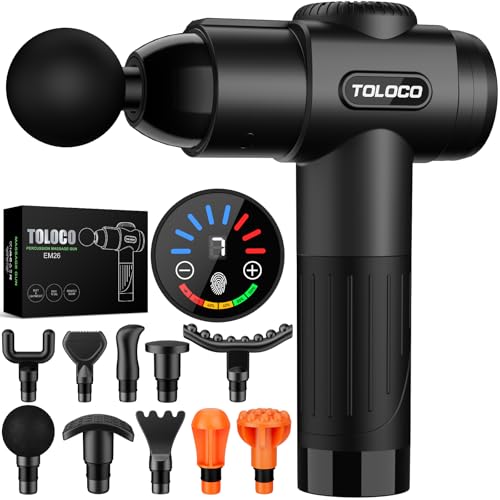
Spend based on your usage frequency and needs. For occasional use, budget-friendly models with basic percussive therapy work fine. Regular athletes benefit from mid-range options with multiple attachments and adjustable speed. High-end units offer deep tissue, longer battery, and quieter motors, but not needed for casual use.
Massage guns and muscle stimulators have become popular tools for recovery, but prices vary wildly. This guide helps you decide how much to invest based on your actual needs, without the marketing fluff. We focus on what matters: durability, performance, and features that genuinely aid recovery.
Understanding What You Are Paying For
When you buy a massage gun, your money goes into the motor, battery, build quality, and extra features. Cheaper models often use weaker motors that may stall under pressure, have shorter battery life, and plastic components that wear out quickly. Mid-range options offer better balance of power and price, while premium devices use high-torque motors, long-lasting lithium-ion batteries, and quieter operation.
Muscle stimulators (EMS/TENS) are simpler, but quality varies in waveform accuracy and electrode durability. Spending more typically gets you more precise stimulation patterns, better comfort, and longer-lasting pads. However, many budget stimulators work adequately for basic pain relief or muscle activation.
How Often You Plan to Use It
Frequency of use is the biggest factor in deciding your budget. If you plan to use a massage gun only occasionally after intense workouts or travel, a basic model may suffice. Occasional users often find that a lower price point covers their needs without the premium features.
Regular athletes who train multiple times a week will benefit from a more durable, powerful gun that can handle daily use. Frequent use demands better battery life (2+ hours) and a motor that can deliver consistent percussive therapy without overheating. Investing more upfront avoids frustration and replacement costs.
Key Features That Justify Higher Spending
Battery life and power are the most important. A strong motor (higher stall force) reaches deeper muscles and doesn’t bog down when pressed firmly. Look for at least 12mm amplitude and variable speed settings. Quiet operation is another factor, especially if you use it in shared spaces; premium guns use brushless motors that are significantly quieter.
Build quality matters: metal or reinforced plastic heads, ergonomic handles, and durable carrying case. Interchangeable attachments designed for specific muscle groups can be useful. For stimulators, medical-grade units with customizable programs and certified components justify higher costs for safety and efficacy.
When a Budget Option Makes Sense
If you are new to massage guns or muscle stimulators and unsure if they will become a regular part of your routine, starting with an affordable model is smart. Budget options (often from reputable online brands) can provide a good introduction to percussive therapy without a big commitment. They work well for superficial muscle knots and light recovery.
Also, if you have specific one-time needs like post-surgery recovery or occasional travel, a cheaper stimulator might be all you require. Many budget units still offer multiple modes and intensity levels. Just be realistic about longevity; expect 6-12 months of moderate use before potential issues.
How to Evaluate Value Over Price
Focus on customer reviews from verified buyers, especially comments about durability and battery performance after several months. Look for warranty length and customer service reputation. A slightly more expensive model with a 2-year warranty may be better value than a cheaper one with no support.
Compare specifications like stall force (not just speed), decibel rating, and weight. Heavier guns often have stronger motors but can be tiring to hold. Test if possible at a store. Remember, the best device is one you will actually use consistently. Paying a bit more for comfort and reliability can prevent it from collecting dust.
Frequently asked questions
Is a more expensive massage gun always better?
Not always. Higher price often means better motor, battery, and build, but many mid-range options perform well for most users. Focus on features that matter to your usage rather than price alone.
Can I use a cheap muscle stimulator safely?
Yes, if it comes from a reputable brand and has standard certifications (like FDA cleared). Cheap units may have inconsistent current or poor electrode adhesion, but generally are safe for short-term use.
What is a reasonable price range for a good massage gun?
For reliable, durable performance, expect to pay in a mid-range bracket. Entry-level models can be found at lower costs but may lack power and longevity. A medium investment often offers the best balance.
How long should a quality massage gun last?
With proper care, a well-built massage gun can last 3-5 years. Factors include battery degradation (replaceable batteries help), motor life, and frequency of use. Cheaper models may show issues within a year.
Looking to buy? See our Balance Recovery guides for tested picks.