 Related pick
Yes, rowing machines are excellent for beginners. They offer a full-body, low-impact workout that builds cardiovascular fitness and muscle endurance with a lower injury risk. Proper technique is key, but once learned, rowing is highly effective and enjoyable.
Starting a new fitness routine can feel overwhelming, especially with so many machines and classes available. If you are a beginner looking for an efficient, joint-friendly workout, you may be considering a rowing machine. But is it really a good fit for someone just starting out? The short answer is yes, but there are some important things to know before you hop on and start pulling. In this article, we will cover everything you need to know about rowing for beginners, from the benefits and challenges to how to get started safely.
Why rowing works for beginners
Rowing is one of the few exercises that engages nearly every major muscle group in your body: legs, core, back, arms, and shoulders. This makes it incredibly efficient for a full-body workout in a short amount of time. For beginners, this means you can build strength and cardiovascular fitness simultaneously without needing to switch between multiple machines or exercises.
Another major advantage is that rowing is low impact. Unlike running or jumping, rowing places minimal stress on your joints, particularly the knees, hips, and ankles. This makes it a safer option for people who are overweight, have previous injuries, or simply want to avoid the wear and tear that comes with high-impact exercise. Many beginners find they can row comfortably and improve their fitness without the aches and pains they might experience with other forms of cardio.
Finally, rowing machines are surprisingly easy to learn at a basic level. You do not need to be an experienced athlete to get a good workout. Most machines have built-in monitors that track your strokes per minute, distance, and calories, helping you stay motivated. Starting with short, low-intensity sessions allows your body to adapt, making it a very approachable piece of equipment for any fitness level.
The biggest challenge: learning proper form
The most common mistake beginners make is rowing with their arms and back instead of using their legs. This not only reduces the effectiveness of the workout but can also lead to lower back strain. The correct rowing stroke follows a leg driven sequence: start with legs pushing, then hinge your torso back, and finally pull the handle to your lower chest. The reverse order is arms, torso, then legs.
To avoid bad habits, focus on form before intensity. Many gym rowers have a display that shows a force curve; learning to produce a smooth, powerful drive with your legs is key. If possible, ask a fitness trainer for a quick demo or watch reputable video tutorials. A few minutes of practice at a slow pace each session will help ingrain proper mechanics. Once you have the rhythm, you will reduce injury risk and actually enjoy the motion.
It is also worth starting with very short sessions, say 5 to 10 minutes, and gradually increase duration as your technique improves. Do not worry about speed or resistance in the beginning. Aim for a steady, controlled stroke rate around 20 strokes per minute. This allows you to focus on the sequence and makes the movement feel natural.
Choosing the right rowing machine for your home
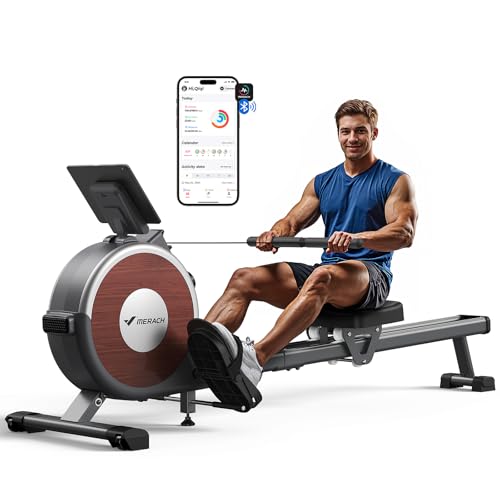
If you are shopping for a rowing machine for home use, you will find three main types: air, magnetic, and water resistance. Air rowers (like Concept2) are the industry standard for durability, performance tracking, and resale value. They can be louder but offer a realistic rowing feel that scales with effort. Magnetic rowers are quieter and smoother, often with adjustable resistance levels, making them a good choice for apartment dwellers. Water rowers provide a soothing water sound and a smooth feel, but they require more maintenance and are harder to store vertically.
For beginners, the most important feature is adjustability and feedback. Look for a machine with a comfortable seat, foot straps that secure your feet, and a clear monitor that shows stroke rate, time, and distance. Some machines also have preset workouts that can guide you. A foldable frame can be helpful if space is limited. Avoid overly cheap models that may wobble or have limited resistance, as they can hinder your progress.
Ultimately, the best rower is the one you will use consistently. If possible, try a machine at a gym before buying. Budget is a factor, but keep in mind that a quality rowing machine is an investment that can last for years. Read reviews from owners about noise, comfort, and reliability, and prioritize a model that feels solid and fits your space.
Sample beginner rowing workout plan
When you first start, aim for 2 to 3 sessions per week, with at least a day of rest between them. A typical beginner workout might be a 10 minute steady state row at a low effort (you should be able to hold a conversation). Focus on maintaining a consistent stroke rate around 18 to 22 strokes per minute. After a couple weeks, you can increase to 15 minutes, then 20.
Here is a simple progression you can try: Week 1: 5 minutes easy, 1 minute moderate, repeat for 2 cycles. Week 2: 10 minutes steady state. Week 3: 3 x 5 minutes with 2 minutes rest between. Week 4: 15 minutes steady. Always include a 3 to 5 minute warm up of gentle rowing and dynamic stretches, and a cool down of similar length.
Pay attention to your body. Some muscle soreness is normal, especially in your back and legs, but sharp pain is a sign to stop and assess your form. As you build confidence, you can experiment with interval training or longer distances, but for the first month, consistency and form are far more important than intensity.
Common mistakes beginners should avoid
One of the most frequent errors is gripping the handle too tightly. This leads to forearm fatigue and can raise your heart rate unnecessarily. Keep a relaxed grip, almost as if you are holding a baby bird. Another mistake is leaning too far back at the finish of the stroke, which strains the lower back. Your torso should lean back only to about 11 o’clock relative to vertical.
Also, avoid rushing the recovery. Many beginners snap the handle back and slide forward too quickly. The recovery should be controlled: extend your arms, hinge your torso forward, then bend your legs to slide to the catch. A good rhythm is two counts on the drive, three on the recovery. Finally, do not forget to breathe. Exhale on the drive, inhale on the recovery. Holding your breath can cause dizziness and reduce performance.
If you find yourself getting frustrated, remember that rowing is a skill. Everyone starts somewhere. Taking a video of your form or asking a knowledgeable friend for feedback can help you improve faster. With patience and practice, rowing can become a rewarding and effective part of your fitness routine.
Frequently asked questions
Is rowing machine good for weight loss for beginners?
Yes, rowing can be very effective for weight loss because it burns many calories per session and builds lean muscle mass, which boosts metabolism. For best results, combine rowing with a healthy diet and consistency.
How long should a beginner row on a rowing machine?
Start with 5 to 10 minute sessions, focusing on form. Gradually increase to 20 to 30 minutes as you build endurance. Listen to your body and avoid overdoing it early on.
Can rowing help with back pain?
Rowing can strengthen the core and back muscles, which may help some types of back pain if done with proper form. However, if you have existing back issues, consult a doctor before starting.
What muscles does a rowing machine work?
Rowing primarily works the legs (quads, glutes, hamstrings), core, back (lats, rhomboids), and arms (biceps, shoulders). It provides a full body workout in one movement.
Looking to buy? See our Rowing Machines guides for tested picks.