 Related pick
When buying strength training equipment, prioritize durability, adjustability, space, and safety. Choose materials like steel or cast iron, ensure weight adjustments suit your progression, and verify the gear fits your home or gym layout. Always check for stability and secure locking mechanisms.
Building a home gym or upgrading your strength training setup can feel overwhelming. With so many options, it’s easy to get distracted by flashy features or low prices. This buyer’s guide cuts through the noise and focuses on what truly matters: durability, adjustability, space, and safety. Whether you’re a beginner or a seasoned lifter, these principles will help you choose equipment that lasts and supports your goals.
1. Durability: The Foundation of Your Investment
Strength training equipment takes a beating. You want gear that can handle heavy loads, frequent use, and maybe even a drop or two. Look for materials that are built to last. Steel and cast iron are your best bets for plates, dumbbells, and barbells. Avoid plastic or chrome-plated options that chip or bend over time. For benches and racks, check the weight capacity and look for welded joints rather than bolted ones. A sturdy frame reduces wobble and extends the life of the equipment.
Pay attention to coatings and finishes. Rubber or urethane coatings on dumbbells and plates protect your floors and reduce noise, but they can peel if cheap. Stick to reputable brands known for quality control. Read reviews focusing on longevity, not just initial impressions. Remember, cheap gear often wears out fast, costing you more in the long run.
2. Adjustability: Progress Without Buying New Gear
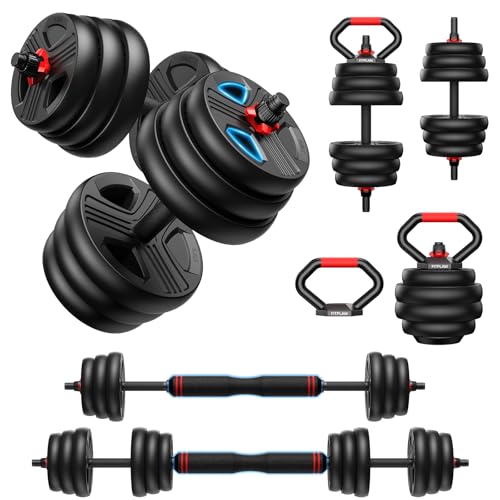
Your strength training needs will evolve. Adjustable equipment lets you increase weight or change exercises without buying multiple pieces. Adjustable dumbbells are a space-saving marvel, but check the weight range and locking mechanism. Some models go from 5 to 52.5 pounds, while others reach higher. Ensure the increments are small enough for gradual progression. For barbells, consider an Olympic bar with weight plates that you can add or remove easily.
Adjustable benches are equally important. Look for one that moves from flat to incline to decline, with a secure locking pin. Test the adjustment mechanism in the store or watch detailed video reviews. A wobbly bench is dangerous. Also, consider the footprint. A bulky bench might not fold up neatly, so measure your space. The goal is equipment that grows with you, not one you outgrow in six months.
3. Space: Fit Your Gym, Not Your Dreams
Before buying anything, measure your available space. A power rack might be ideal, but if your ceiling is too low or floor area is small, it won’t work. Consider compact options like squat stands or folding racks. For smaller spaces, kettlebells, resistance bands, and adjustable dumbbells offer versatility without taking over a room. Also think about storage. Weight plates need a tree or rack to stay organized. A clutter-free gym is safer and more inviting.
Think about floor protection. Rubber mats or tiles are essential if you’re dropping weights. They also reduce noise for neighbors. If you’re in an apartment, look for quiet equipment like bands or bumper plates. Don’t forget about ventilation and lighting. A cramped, dark corner might demotivate you. Map out your workout zone and ensure you can move freely around the equipment. Form suffers when you’re squeezed in.
4. Safety: Non-Negotiable for Long-Term Training
Safety should top your list. For barbell work, a power rack with spotter arms or safety straps is critical. Never bench or squat heavy without a spotter or safety system. Check that the rack’s J-hooks are deep and rubber-coated to prevent bar slippage. For benches, ensure the feet are wide and non-slip. Wobble during heavy lifts can lead to injury. Also, inspect weight plates for sharp edges or cracks, especially used ones.
For adjustable equipment, test the locking mechanisms repeatedly. A loose dumbbell handle or bench back could fail mid-set. Read product manuals and assemble everything correctly. Consider buying from brands with clear safety certifications. If you have kids or pets, think about storing weights out of reach. Finally, listen to your body. If a piece of equipment feels unstable, don’t use it. Safety isn’t just about the gear, but how you use it.
5. Versatility and Longevity: Choose Multi-Use Gear
Versatile equipment gives you more bang for your buck. Instead of a leg press machine that does one thing, buy a barbell and plates that allow squats, deadlifts, presses, and rows. Resistance bands can be used for pull-ups, presses, and auxiliary work. Kettlebells are great for swings, goblet squats, and more. Think about how many exercises a single piece can support. A good pull-up bar, for example, can also be used for hanging leg raises and inverted rows.
Longevity means the gear will still be useful as you advance. Beginners might start with lighter dumbbells, but a set of heavy kettlebells or a barbell with plenty of plates will last for years. Avoid trendy gadgets that promise quick results. They often end up gathering dust. Stick to the classics: barbells, dumbbells, kettlebells, bands, and a sturdy bench. With these, you can train effectively for a lifetime.
Frequently asked questions
What is the most important factor when buying strength training equipment?
Durability is key because you want equipment that can handle heavy use without failing. Look for steel or cast iron construction and solid welds on racks and benches.
Should I buy adjustable dumbbells or a full set?
Adjustable dumbbells save space and money, but check the weight range and locking mechanism for security. A full set offers instant weight changes but takes up more room.
How much space do I need for a home gym?
At minimum, you need a 6×6 foot area for basic exercises like dumbbell presses and deadlifts. For a power rack, plan on 8×8 feet to allow safe movement around the bar.
Is it worth buying a cheap weight bench?
No, a cheap bench can wobble or collapse under heavy weight, risking injury. Invest in a bench with a high weight capacity and stable legs, preferably from a reputable brand.
Looking to buy? See our Strength Training guides for tested picks.