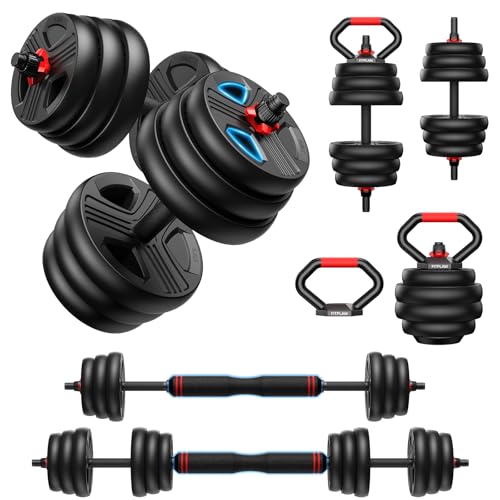
 Related pick
A home gym offers convenience and privacy with a one-time equipment cost, while a gym membership provides access to diverse equipment, classes, and a motivating environment. Your choice depends on budget, workout preferences, and how much space you have at home.
Choosing between setting up a home gym and signing up for a gym membership is a big decision that can shape your fitness journey for years. Both options have passionate fans, but the right choice for you depends on your personal habits, space, budget, and fitness goals. Let’s break down the real trade-offs so you can decide with confidence.
The Case for a Home Gym
A home gym puts you in complete control. You never have to drive to a facility, wait for equipment, or stick to someone else’s schedule. For many people, this convenience is the biggest motivator: you can roll out of bed and start your workout in seconds. There is no commute, no packing a bag, and no awkward social interactions. That low friction often leads to more consistent training.
Privacy is another huge advantage. Beginners who feel self-conscious in a public gym often thrive when working out alone at home. You can make mistakes without judgment, play whatever music you want, and wear whatever you like. Over time, that comfort can build long term confidence. Plus, your home gym is always clean and set up exactly how you like.
The main downside is the upfront investment and space requirement. Quality equipment takes up real estate and costs money. You also lack variety: unless you have a massive budget, you won’t have cable machines, climbing ropes, or a full set of heavy dumbbells. Eventually, you may need to get creative with progressive overload.
The Case for a Gym Membership
A gym membership gives you access to a wide variety of equipment that most people cannot replicate at home. Think squat racks, leg press machines, cable stations, stair climbers, and rowers. This variety keeps workouts interesting and allows you to train every muscle group effectively without needing a huge garage.
The gym atmosphere also works wonders for motivation. Being around other people putting in work can push you to lift harder and run longer. Group fitness classes provide structure and accountability, and personal trainers are available if you need guidance. For many, the social aspect of a gym makes exercise feel less like a chore and more like a community.
On the flip side, gyms come with inconveniences. Commute time adds up, especially during peak hours. You may have to share equipment or wait for a rack. Membership fees, while often lower than a full home gym setup, keep recurring. And if you travel often, you might not use it enough to justify the cost.
Cost Comparison: Upfront vs. Recurring
Home gym equipment requires a one time purchase but can get expensive fast. A basic setup with a barbell, plates, a squat stand, and a bench might run you a few hundred dollars. Adding a cardio machine, dumbbells up to 50 lbs, and a pull up bar pushes that higher. However, once you own the gear, there are no monthly fees. Over several years, a home gym can be cheaper than a premium gym membership.
Gym memberships charge monthly or annually. Budget gyms can be very affordable, while boutique studios or premium health clubs cost more. The recurring expense can add up over time, but you pay in smaller chunks. There is no big upfront shock. For people who value flexibility or cannot afford a large lump sum, the monthly fee model is easier to manage.
Think about your long term commitment. If you know you will train consistently for years, a home gym might save you money. If you might change your routine, move, or lose interest, a membership keeps your financial risk low.
Space and Lifestyle Factors
Space is a deal breaker for a home gym. Do you have a dedicated room, garage, or basement that can be converted? If you live in a small apartment, a folding bench and adjustable dumbbells might be your limit. You also need ventilation, especially if you plan to do cardio. And think about noise: dropping weights or using a treadmill can disturb family or neighbors.
Your lifestyle matters too. If you travel often for work or have a packed family schedule, a home gym might be the only way to fit in workouts. On the other hand, if you crave variety or need the separation between home and exercise to stay focused, leaving the house for the gym might be better. Some people find it easier to turn off distractions in a dedicated gym environment.
Also consider your workout style. If you love heavy powerlifting, a home gym with a proper power rack and bumper plates can work great. If you thrive on group classes like spin or yoga, a membership is the obvious choice.
How to Make the Right Decision for You
Start by being honest about your habits. Have you worked out consistently in the past? If not, a cheap gym membership might be the lower risk trial. If you already train regularly and hate the commute, invest in some basic home equipment. You can always add more later.
Next, consider your primary goal. For general fitness, weight loss, or muscle building, both options work. If you need expert coaching or specialized gear, the gym wins. If you want maximum convenience and control, the home gym is hard to beat.
Finally, test drive before you commit. Get a short term gym pass or try a friend’s home gym. See what feels sustainable. The best choice is the one that makes you want to train day after day. There is no one size fits all answer, but with these factors in mind, you can find your perfect fit.
Frequently asked questions
Is a home gym cheaper than a gym membership?
In the long run, a home gym can be cheaper if you train consistently for years, because you avoid monthly fees. But the upfront cost of equipment is higher, so a membership may be easier to budget month to month.
Can I get a good workout with a basic home gym?
Yes, a basic setup with dumbbells, a bench, and a pull up bar can target all major muscle groups. You may need to get creative with progressive overload, but many people build great physiques with minimal equipment.
What if I live in a small apartment?
You can still have a compact home gym using adjustable dumbbells, resistance bands, and a foldable bench. For cardio, consider jump ropes or bodyweight HIIT. But if space is very limited, a gym membership might be more practical.
Which option is better for motivation?
It depends on your personality. The gym atmosphere and classes motivate many people, while the convenience and privacy of a home gym help others stay consistent. Think about what environment energizes you.
Looking to buy? See our Strength Training guides for tested picks.