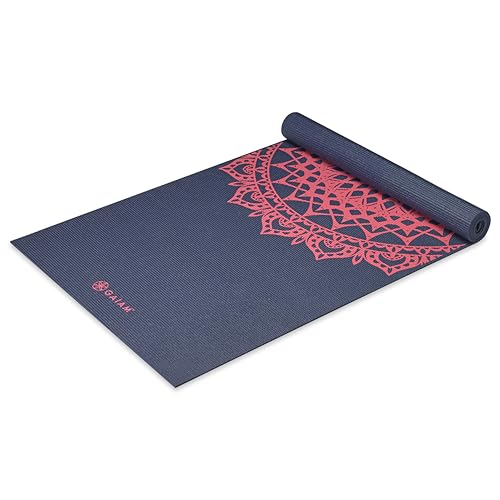
For beginners, the essential yoga equipment includes a non-slip mat, comfortable clothing, and a water bottle. Optional items like blocks, straps, and bolsters can enhance comfort and alignment but aren't necessary to start.
Starting yoga can feel overwhelming with the array of equipment available. As a beginner, your focus should be on comfort and safety, not buying every accessory. This honest checklist breaks down what you truly need for your practice, helping you make smart choices without overspending. Remember, the most important equipment is your body and breath.
The Yoga Mat: Your Foundation
A good yoga mat is non-negotiable. It provides cushioning for your joints and grip to prevent slipping. For beginners, a mat around 4 to 5 millimeters thick offers a balance of comfort and stability. Thicker mats (6mm+) feel plush but can make balancing poses harder. Look for materials like PVC, TPE, or natural rubber; avoid mats that feel slippery when sweaty. You don’t need a fancy brand; a medium-density mat with good texture works fine.
Consider the mat’s size. Standard mats are about 68 inches long and 24 inches wide. If you’re taller than 5’8″, look for a longer mat (72 to 74 inches). Some mats also have alignment markings, which can help beginners learn proper positioning. Your mat is your personal space; choose one that feels stable under your feet and hands.
To keep your mat clean, wipe it down after use with a mild soap and water solution. Avoid machine washing as it can damage the material. A mat towel can be useful if you sweat heavily, but it’s not essential for most beginners.
Clothing: Comfort Over Fashion
Wear clothes that allow unrestricted movement. Choose moisture-wicking fabrics like polyester or nylon blends; cotton can get heavy and wet with sweat. Fitted tops stay in place during inversions, while shorts or leggings should be stretchy and not too loose. Avoid zippers or buttons that dig into your skin during poses.
Bare feet are standard for yoga, but if you’re in a cold studio or prefer grip, yoga socks with non-slip dots are an option. Similarly, some people like grip gloves for certain styles. For beginners, bare feet are best to feel the mat and engage your toes. Save the accessories for later when you know your preferences.
Layers can be helpful if you’re practicing in a cold room or warming up slowly. A long-sleeve shirt or light jacket is easy to remove. Ultimately, your clothing should let you focus on your practice, not adjust your outfit constantly.
Props That Make a Difference
Yoga props are tools to help you maintain proper alignment and avoid strain. For beginners, the most useful props are a block and a strap. A block (usually cork, foam, or bamboo) brings the floor closer to you in standing poses, making them more accessible. A strap (cotton or nylon with a buckle) helps extend your reach in stretches like seated forward fold.
Bolsters and blankets add comfort for restorative poses or meditation. A firm blanket can also be used as a prop under your knees or hips. You don’t need to buy all these at once; many studios provide them, or you can use household items like a sturdy book as a block and a belt as a strap. The goal is to support your body, not stress about gear.
If you practice at home, start with two blocks and one strap. As you progress, you can add a bolster or a yoga wheel for deeper backbends. Remember, props are not a crutch but a tool to make yoga safer and more effective.
Hydration and Storage
Staying hydrated is crucial, especially if you practice hot yoga or vigorous styles. Bring a water bottle to class and sip as needed. Avoid drinking too much right before or during practice; small sips between poses are fine. A reusable bottle with a secure lid prevents spills.
You also need a way to carry your gear. A simple yoga bag or even a tote bag works. Some mats come with a carrying strap. If you have multiple props, a larger bag with compartments can keep things organized. For home practice, designate a corner where you keep your mat and props rolled up and accessible.
Consider a small towel for wiping sweat off your face or hands. A microfiber towel is compact and absorbent. These small items keep your practice comfortable and hygienic.
Optional Extras: What You Can Skip
Yoga manufacturers market many gadgets: grip-enhancing sprays, alignment socks, weighted blankets, and so on. As a beginner, these are unnecessary. Your body is the best teacher. Instead of buying a foam roller for myofascial release, you can use a rolled-up towel or just do gentle stretches. A meditation cushion is nice but not required; a folded blanket works.
Another item to skip is expensive designer yoga clothes. Affordable brands offer the same functionality. Similarly, a high-end mat might have eco-friendly materials but won’t improve your practice overnight. Focus on consistency, not gear.
Your money is better spent on a few classes with a trained teacher to learn alignment and avoid injury. Once you have a regular practice, you can gradually invest in props that address your specific needs.
Frequently asked questions
Do I need a special yoga mat for beginners?
Yes, a basic non-slip mat is recommended for comfort and safety. You don't need an expensive one; a medium-thickness mat with good grip will do.
What clothing should I wear for yoga?
Wear stretchy, moisture-wicking clothes that allow free movement. Avoid cotton if you sweat heavily, and skip loose tops that may fall over your head during inverted poses.
Are yoga blocks necessary for beginners?
Blocks are helpful but not required. They assist with alignment and make poses accessible, especially if you are less flexible. You can substitute with a thick book initially.
Can I practice yoga without any equipment?
Yes, you can practice without equipment, especially for floor poses. However, a mat provides hygiene and cushioning, and props can help prevent injury as you learn.
Looking to buy? See our Yoga guides for tested picks.