 Related pick
To choose dumbbells, start by assessing your fitness level and goals. For beginners, a set of adjustable dumbbells from 5 to 25 pounds offers versatile options, while intermediate lifters may need heavier fixed weights. Consider material (rubber, neoprene, or metal), grip comfort, and space for storage. Prioritize quality over price to ensure durability and safety.
Choosing the right dumbbells can feel overwhelming with so many options on the market. Whether you are setting up a home gym or upgrading your equipment, the right pair supports your training safely and effectively. This guide breaks down the key factors to consider, so you can pick dumbbells that fit your strength level, workout style, and budget. No fluff, just practical advice from a fitness editor who wants you to succeed.
Understand Your Fitness Goals and Experience Level
Before you look at any dumbbells, define what you want to achieve. Are you a beginner focusing on general fitness and toning? An intermediate lifter aiming for muscle growth? Or an advanced athlete chasing strength gains? Your goals directly influence the weight range and type you need.
For beginners, starting with lighter weights is wise to master form and avoid injury. A set covering 5 to 20 pounds allows for progressive overload as you get stronger. If you are more experienced, consider heavier options, like a set that goes up to 50 pounds or more. Remember, you can always buy additional weights later, but starting with a versatile range keeps you challenged without wasting money.
Also consider the exercises you plan to do. Bicep curls and shoulder presses require moderate weights, while squats and deadlifts call for heavier loads. Think about your favorite movements and choose dumbbells that support them.
Decide Between Fixed Weight and Adjustable Dumbbells
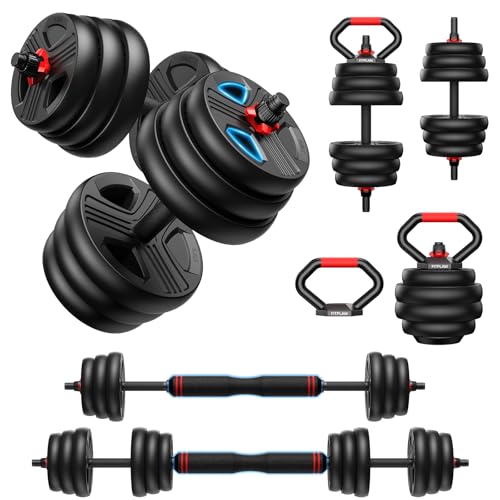
Fixed weight dumbbells are individual pairs with a specific weight. They are simple, durable, and often used in commercial gyms. At home, they take up more space if you buy a full set. Adjustable dumbbells, on the other hand, use a mechanism to change the weight quickly, saving space and money. They are ideal for small home gyms or anyone on a budget.
Adjustable models range from budget-friendly screw-on styles to premium quick-change systems. The latter are more expensive but allow faster transitions between sets, which keeps your workout efficient. Fixed dumbbells are superior in terms of longevity and feel, as they are one solid piece. However, for most home users, adjustable dumbbells offer the best balance of function and convenience.
Test the adjustment mechanism if possible. Some can be slow or fussy, which can disrupt your workout flow. Choose a system that feels intuitive and secure.
Consider Material and Grip Comfort
Dumbbells come in various materials: rubber, neoprene, vinyl, cast iron, and chrome. Rubber hex dumbbells are popular for their durability and floor protection. They also offer a secure grip, even with sweaty hands. Neoprene dumbbells are softer and good for lighter weights, often used in aerobic classes. Vinyl coated ones are cheap but can peel over time.
Grip is crucial for safety and comfort. Look for a handle that is knurled (textured) or rubberized to prevent slipping. The handle diameter should match your hand size; too thick or thin can cause strain. Cast iron with a powder coat offers a classic feel, while chrome is smooth but can get slippery. Always hold a dumbbell before buying if possible.
Also check if the weight plates are securely attached. Loose plates can shift during exercise, leading to accidents. Quality construction ensures the dumbbell remains balanced and safe for years.
Account for Space and Storage
Your living situation matters. If you have a dedicated gym room, a full rack of fixed dumbbells is fine. Most people need to be practical. Adjustable dumbbells require a small footprint, often just a stand or tray. Some models come with a storage case that doubles as a workout bench attachment.
Measure the area where you plan to use and store the dumbbells. Consider the weight of the set itself; heavier adjustable sets can be bulky. Also think about noise. Rubber weights are quieter than metal if you drop them. This is important if you live above someone or have thin floors.
If space is tight, look for adjustable dumbbells that are compact when stored. Some designs taper to fit in a corner. A good storage solution keeps your workout area tidy and prevents accidents from tripping over loose weights.
Test Quality and Durability Before You Buy
When you find a candidate, check the build quality. Do the plates move smoothly? Are the locking mechanisms secure? Read reviews from other users, focusing on complaints about breaking or loosening over time. For adjustable dumbbells, the weight selector mechanism is a common failure point. Look for models with metal parts instead of plastic.
Also inspect the finish. A good paint or rubber coating prevents rust. Chrome can flake if poorly made. For hex dumbbells, the heads should be solid and free of welds. If possible, try lifting a few reps to see how the weight feels in motion. The dumbbell should feel balanced and not top heavy.
Finally, consider the warranty. Higher quality brands often offer longer warranties, reflecting confidence in their product. While you might pay more upfront, it protects your investment. Remember, cheap dumbbells can end up costing more if you need to replace them.
Frequently asked questions
What weight dumbbells should a beginner buy?
A beginner should start with a set of adjustable dumbbells covering 5 to 25 pounds. This range allows you to perform most exercises safely while gradually increasing weight as you get stronger.
Are adjustable dumbbells as durable as fixed ones?
Quality adjustable dumbbells are very durable, but the adjustment mechanism can wear over time. Fixed dumbbells are generally more robust as they are one solid piece, but for most home users, a well-made adjustable set lasts for years.
What material is best for dumbbells?
Rubber hex dumbbells are best for most home gyms because they protect floors, resist dents, and provide a secure grip. Metal dumbbells are great for heavy lifting but can be noisy and damage floors.
How much space do I need for dumbbells?
Adjustable dumbbells with a stand require about 2 feet by 2 feet of floor space. A full set of fixed dumbbells needs a rack, which may occupy 4 to 8 feet of wall space. Always measure your area before buying.
Looking to buy? See our Dumbbells Weights guides for tested picks.