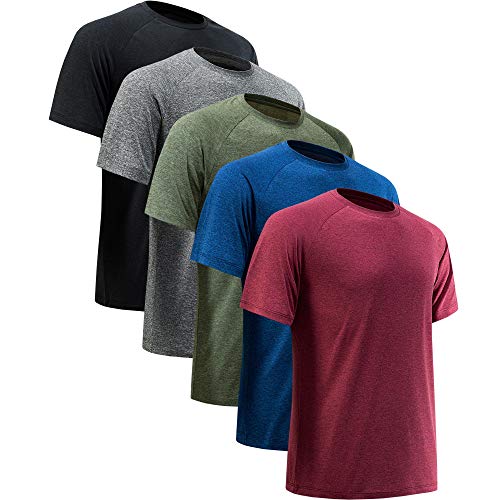
 Related pick
Choose lightweight, moisture wicking fabrics like polyester, nylon, or merino wool. Look for mesh panels, light colors, and loose fits. Avoid cotton as it retains sweat and becomes heavy.
Exercising in hot weather can be a challenge, but wearing the right clothes can make a big difference. The goal is to stay cool, dry, and comfortable so you can focus on your workout. This guide will help you choose the best workout clothes for hot weather, focusing on fabrics, features, and fit that work with your body’s natural cooling system.
Why Fabric Matters Most
When temperatures rise, the fabric of your workout clothes is the most important factor. The wrong fabric can trap heat and moisture, leading to discomfort and even heat related issues. The right fabric helps you stay cool by wicking sweat away from your skin and allowing air to circulate.
Synthetic fabrics like polyester and nylon are excellent choices because they are lightweight and dry quickly. They are designed to pull moisture away from your body and release it into the air. Another option is merino wool, which naturally regulates temperature and resists odors, though it can be warmer than synthetics. Some blends combine both for performance.
On the other hand, cotton is a fabric to avoid for intense workouts in hot weather. Cotton absorbs sweat and holds onto it, becoming heavy and wet. This not only feels uncomfortable but can also cause chafing and make you feel hotter. Always choose sweat wicking materials over cotton for any outdoor exercise in the heat.
Key Features for Cooling
Beyond fabric, certain design features can enhance cooling. Look for clothing with mesh panels or laser cut perforations in areas where you sweat most, like under the arms, on the back, or along the sides. These allow additional airflow and help sweat evaporate faster.
Light colors reflect sunlight instead of absorbing it, keeping you cooler. White, light gray, pastels, and neon shades are better choices than black or dark navy. Also consider clothing with UPF (ultraviolet protection factor) if you exercise in direct sun, as it blocks harmful rays while still offering breathability.
Athletic fit is also important. Too loose and fabric may flap or cause chafing; too tight and it restricts movement and traps heat. Look for a fit that is close but not constricting, with stretch where needed. Many brands offer relaxed or regular fits that allow for layering without being baggy.
Tops: Shirts, Tank Tops, and Sleeveless Options
For your upper body, the best choices are lightweight tank tops, sleeveless shirts, or short sleeve performance tees. Tanks allow maximum airflow and are ideal for high intensity workouts like running, HIIT, or cycling. Look for racerback designs that reduce chafing and allow full range of motion.
If you prefer more coverage, choose a short sleeve shirt made from a moisture wicking knit. Some shirts have built in venting or open side panels. Avoid long sleeves unless they are made of a super lightweight UPF fabric and you need sun protection.
For women, sports bras are critical. Look for bras with breathable mesh panels, moisture wicking fabric, and a proper fit. Seamless or racerback styles reduce friction. For men, some prefer compression tops, but in extreme heat, a loose fitting tank may be better to allow air circulation.
Bottoms: Shorts, Capris, and Tights
Shorts are the go to for hot weather workouts. Look for running shorts with a built in liner, which provides support and wicks moisture. The outer shell should be lightweight and have a split hem for mobility. 5 inch inseam is a common length that offers coverage without overheating.
If you prefer longer bottoms, consider capris or 7/8 length tights made from thin, breathable fabric. Look for mesh panels behind the knees or along the calves. Compression tights can be beneficial for muscle support, but ensure they are made from a summer weight fabric. Avoid heavy cotton blends or thick fleece lined tights.
For plus size athletes, look for brands that offer shorts with longer inseams and moisture wicking properties. Loose fitting performance joggers or shorts with elastic waistbands are also good options that provide comfort and breathability.
Accessories and Footwear
Accessories can help you stay cooler and more comfortable. A sweat wicking headband or cap can keep sweat out of your eyes and protect your face from the sun. Choose a visor or a lightweight cap with mesh sides for ventilation. Sunglasses with UV protection are also important.
For socks, choose thin moisture wicking socks made of synthetic blends or merino wool. Avoid thick cotton socks as they can cause blisters and retain heat. No show or ankle socks are popular for warmer weather.
Footwear should be breathable. Look for shoes with mesh uppers that allow air to flow while still providing support. Many summer specific models have extra ventilation. Consider going sockless with certain shoes if they are designed for that, but be careful of odor and blisters. Good running shoes or cross trainers with a well ventilated upper will make a big difference.
Frequently asked questions
What is the best fabric for working out in hot weather?
The best fabrics are moisture wicking synthetics like polyester, nylon, or blends. Merino wool is also a good natural option. Avoid cotton because it holds sweat and becomes heavy.
Should I wear dark or light colors when exercising in the heat?
Light colors are better because they reflect sunlight, helping you stay cooler. Dark colors absorb heat and can make you feel warmer.
Are compression clothes good for hot weather?
Compression clothes can be good if made from lightweight, moisture wicking fabric. They offer support but may trap heat, so look for options with ventilation or mesh panels.
Can I wear a hat when working out in the sun?
Yes, but choose a lightweight cap or visor made from breathable material like mesh or a moisture wicking fabric. This helps wick sweat while providing sun protection.
Looking to buy? See our Clothing guides for tested picks.