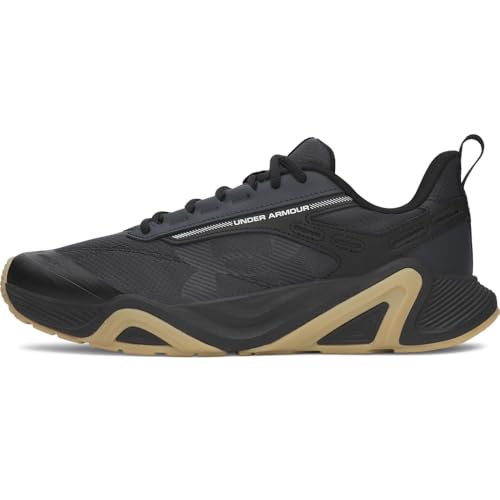
 Related pick
Gym shoes smell because bacteria and fungi thrive in the warm, moist environment inside your shoes, breaking down sweat and skin cells into smelly acids. The combination of moisture, heat, and dark conditions creates the perfect breeding ground for odor causing microbes.
If you’ve ever caught a whiff of your gym bag after a tough workout, you know the struggle of stinky shoes. It’s not just embarrassing, it’s a sign that your footwear has become a breeding ground for odor causing microbes. But why does this happen, and what can you actually do about it? In this article, we’ll break down the science of shoe odor, bust common myths, and give you practical steps to keep your sneakers fresh without resorting to gimmicks.
The Science of Smelly Shoes: Bacteria and Sweat
At its core, gym shoe odor is a biological problem. Your feet contain over 250,000 sweat glands, producing up to half a pint of moisture per day. When you work out, that number spikes. Sweat itself is mostly water and salt, and it doesn’t smell. The real culprit comes from bacteria and fungi that naturally live on your skin. These microorganisms feast on the proteins and fatty acids in your sweat and dead skin cells that accumulate inside your shoes.
As they digest these nutrients, they release volatile organic compounds, or VOCs, which are what you smell. The most notorious is isovaleric acid, the same compound that gives stinky cheese its pungent aroma. The warm, dark, humid environment inside your shoe is like a five star resort for these microbes. The longer your shoes stay damp, the more they multiply, and the stronger the odor becomes.
Beyond bacteria, fungi like athlete’s foot also contribute to the smell. Fungal infections thrive in sweaty shoes and produce their own distinct odor. So if your shoes have a musty or cheese like smell, it’s likely a fungal issue. Keeping your shoes dry is the single most effective way to fight both bacteria and fungi.
Common Mistakes That Make Odor Worse
Many people unintentionally make their shoe odor problem worse with everyday habits. One of the biggest mistakes is wearing the same pair of gym shoes every day without giving them time to dry out. When you exercise and then toss your shoes in a dark closet or gym bag, you are locking in moisture. That’s like telling bacteria, ‘Please stay and multiply.’ Always let your shoes air out in a well ventilated area between workouts.
Another common mistake is putting wet shoes in a sealed plastic bag. This creates the perfect petri dish. If you must store them, use a breathable mesh bag or leave them open. Also, wearing the same socks multiple times or using socks that don’t wick moisture well can trap sweat inside your shoes. Synthetic materials like polyester or nylon blends wick moisture away from your skin, while cotton socks hold onto sweat like a sponge.
Lastly, many people try to mask the smell with heavy sprays or powders, but these only cover the odor temporarily, they don’t kill the bacteria. Some powders can even clog the fabric of your shoes and trap moisture further. The goal should be to reduce moisture and kill microbes, not just perfume the problem.
How to Prevent Gym Shoe Odor (Without Buying Anything)
Prevention starts with simple habits and doesn’t require expensive products. First, always wear clean, moisture wicking socks. Change them immediately after your workout. Second, rotate between at least two pairs of gym shoes so each pair has 24 hours to fully dry. If you only have one pair, take the insoles out after exercise and let them dry separately.
Air drying is your best friend. After working out, remove your shoes and insoles, and place them in a warm, dry, well ventilated spot. Sunlight is a natural disinfectant, so UV rays help kill bacteria if you can leave them outside for an hour. Just don’t leave them in direct sun for too long or the materials may degrade. You can also stuff your shoes with newspaper overnight to absorb excess moisture. The paper pulls moisture out and can be replaced if needed.
Another excellent free method is freezing your shoes. Place them in a sealable bag and put them in the freezer for 24 hours. Cold temperatures kill many odor causing bacteria. This won’t shrink them if they’re completely dry. Just be aware that the smell may not vanish if the bacteria has produced persistent VOCs, but it’s a good reset.
Cleaning Your Shoes: Safe and Effective Methods
When prevention isn’t enough, it’s time to clean your shoes. The best approach depends on your shoe’s material. For most synthetic mesh or polyester gym shoes, you can machine wash them on a gentle cycle with cold water and a small amount of mild detergent. Remove the insoles and laces first, and put the shoes in a mesh laundry bag to protect them. Air dry thoroughly do not use a dryer, as heat can warp the shoes and damage adhesives.
For leather or suede shoes, hand washing is safer. Use a soft brush and a solution of mild soap and water to gently scrub the exterior. For the inside, a mixture of white vinegar and water (1:1 ratio) works as a natural deodorizer. Vinegar is acidic, which neutralizes alkaline odors and kills some bacteria. Spray the inside lightly and let it air dry. Never soak the shoes, as water can ruin the shape.
Another effective option is baking soda. Sprinkle a generous amount inside your shoes and let it sit overnight. The powder absorbs moisture and odors. Vacuum or brush it out the next day. For stubborn smells, you can add a few drops of essential oil like tea tree, which has antibacterial properties, but be careful as oils can stain. Remember, the key is to be patient and let your shoes dry completely after any cleaning method.
When to Replace Your Gym Shoes
Sometimes, no amount of cleaning can fix the smell. If your shoes have been soaked in sweat for months, the odor may be embedded deep in the foam padding and fabric. Shoes have a lifespan of about 300 to 500 miles of running or 6 to 9 months of regular gym use. Beyond that, the cushioning breaks down and the materials become less breathable, trapping even more moisture.
If you have tried all the preventive measures and cleaning techniques, and your shoes still smell, it’s likely time to replace them. Persistent odor can also be a sign of a fungal infection that has colonized the inside of the shoe. In that case, even if you kill the bacteria, the fungus may survive and reoccur. Inspect your shoes for dark spots, crumbling foam, or a musty smell that doesn’t go away.
When you do buy new gym shoes, choose ones with breathable mesh uppers and removable insoles so you can maintain them better. Rotating two pairs and keeping them clean from day one will extend their life and keep your workouts much more pleasant for you and everyone around you.
Frequently asked questions
Does putting dryer sheets in gym shoes kill odor?
Dryer sheets can mask odor temporarily, but they do not kill the bacteria causing the smell. They may also leave a residue that traps moisture, making the problem worse in the long run.
Can I use baking soda and vinegar together in my shoes?
It's best not to mix them, as they cancel each other out. Use them separately. First, soak with vinegar, let it dry, then use baking soda to absorb any lingering moisture and odors.
How often should I wash my gym shoes?
Wash them every 2 to 4 weeks if you use them regularly. If you notice a smell, wash them sooner. Always let them dry completely after washing to prevent mold.
Will freezing my shoes ruin the glue?
Freezing is generally safe for most athletic shoes. The temperature won't damage the glue unless the shoes are wet when frozen, which could cause ice crystals to weaken the adhesive. Freeze them dry.
Looking to buy? See our Footwear guides for tested picks.