 Related pick
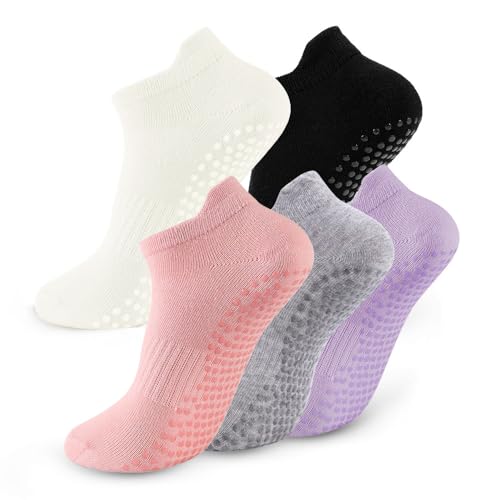
Grip socks keep you stable and safe during Pilates by preventing slipping on the mat and providing traction for your feet. They also help with alignment and hygiene, making them a smart choice for any Pilates routine.
If you’ve been to a Pilates studio, you’ve probably noticed most people wearing socks with little rubbery dots on the bottom. These are grip socks, and they’re not just a fashion statement. They play a practical role in your practice, helping you stay steady, comfortable, and focused. Here’s why you might want to invest in a pair.
1. Prevent Slipping and Improve Stability
Pilates involves a lot of movements where your feet are in contact with the mat, the reformer, or other equipment. Sweaty feet or smooth mat surfaces can lead to slipping, which interrupts your flow and can even cause injury. Grip socks have silicone or rubber patches on the sole that create friction, keeping your feet planted exactly where you need them.
This traction is especially important for exercises like the plank, mountain climbers, or any move where you’re balancing on one foot. Without grip, you might find yourself sliding or compensating with your muscles, which reduces the effectiveness of the exercise. With grip socks, you can focus on engaging the right muscles instead of worrying about your feet.
Beyond safety, stability allows you to deepen your practice. When you feel secure, you can push your range of motion and hold positions longer. It’s a simple upgrade that pays off in better form and more confidence.
2. Enhance Foot Alignment and Body Awareness
Your feet are the foundation of your body, and in Pilates, proper alignment starts from the ground up. Grip socks can help you feel the floor better, increasing proprioception , your body’s ability to sense where it is in space. The tactile feedback from the grip dots helps your brain register the position of your feet, which translates to better control of your legs, hips, and core.
For example, during footwork on the reformer or standing exercises, grip socks encourage you to spread your toes and press evenly through your foot. This prevents rolling your ankles or collapsing your arches, common issues that can lead to strain. Many Pilates instructors recommend grip socks specifically to help clients maintain neutral foot alignment.
Over time, this awareness can carry over into your daily life, improving your posture and how you walk. It’s a subtle but powerful benefit that makes grip socks more than just a convenience.
3. Hygiene and Comfort in Shared Spaces
Pilates studios are often shared spaces where you’re practicing on mats and equipment used by many people. Going barefoot exposes your feet to sweat, bacteria, and fungi that can live on surfaces. Grip socks create a barrier, reducing the risk of picking up something like athlete’s foot or plantar warts.
They also keep your feet clean and dry. Many grip socks are made with moisture-wicking materials that draw sweat away from the skin, which is more comfortable during a workout. Plus, you don’t have to worry about slipping in your own sweat or leaving wet footprints on the mat.
If you’re practicing at home, grip socks can still be helpful. They protect your feet from cold floors in winter and keep your mat cleaner longer. It’s a small investment in hygiene that makes a big difference.
4. Grip for Equipment-Based Pilates
Reformer, Cadillac, and chair Pilates involve pushing against springs and straps. Your feet are often in contact with foot bars, loops, or platforms, and having grip can make these exercises safer and more effective. Grip socks prevent your feet from sliding off the foot bar during exercises like footwork or jumping, allowing you to maintain a stable stance.
They’re also useful for exercises where you wrap your feet around straps or push through the balls of your feet. The traction helps you connect with the equipment without losing form. Some instructors even consider grip socks essential for advanced moves where precision matters.
Just note that not all studios require them, but many recommend them for safety and performance. If you’re unsure, check with your studio , they may have specific policies or even sell grip socks at the front desk.
5. Choosing the Right Pair for Your Practice
Not all grip socks are created equal. Look for socks with grips on the entire sole, not just the heel and toe, as this provides full contact. The material should be breathable, typically a cotton blend or synthetic moisture-wicking fabric. Fit is key: they should be snug but not tight, with no extra fabric bunching up.
Consider the grip pattern as well. Some have small dots, others have a full rubber sole. Dots are flexible and allow more movement, while full grips offer more stability. Try a few types to see what feels best for your feet and your style of Pilates.
Wash them inside out to keep the grips sticky. Avoid fabric softener, which can reduce traction. Also, rotate between pairs if you practice often, as grips wear down over time. A good pair can last several months with proper care, making them a worthwhile addition to your workout gear.
Frequently asked questions
Do I really need grip socks for Pilates?
You don’t strictly need them, but they can greatly improve your stability and comfort. Many studios recommend them for safety and hygiene reasons.
Can I wear regular socks for Pilates?
Regular socks can be slippery because they lack traction. Grip socks are specifically designed to prevent slipping, so they are a better choice.
How often should I replace my grip socks?
Replace them when the grip pattern wears down or if they lose elasticity, typically after 6 to 12 months of regular use. Washing them properly helps extend their life.
Are grip socks only for Pilates?
No, they’re also used for barre, yoga, and other floor-based workouts. Any activity where slip resistance and hygiene matter, grip socks are useful.
Looking to buy? See our Pilates guides for tested picks.