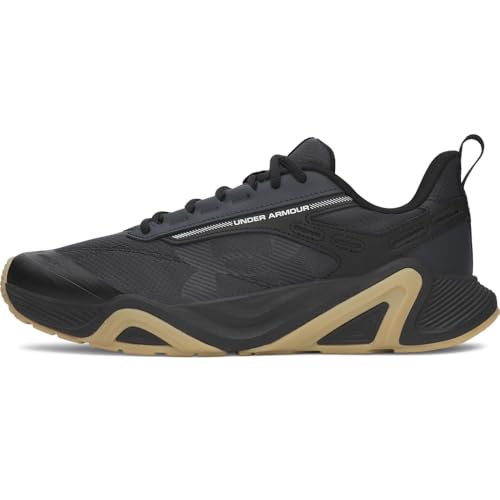
 Related pick
Running shoes are fine for light gym sessions like treadmill work or casual lifting, but not ideal for heavy lifting or lateral moves due to their cushioned, unstable design. For weightlifting, choose flat, firm shoes; for HIIT or cross-training, opt for versatile training shoes with lateral support.
If you’ve ever stood in front of your closet before a gym session, you’ve probably asked yourself: can I just wear my running shoes? It’s a reasonable question. Running shoes are comfortable, breathable, and often the most athletic pair you own. But the honest answer is more nuanced than a simple yes or no. The gym has many activities: lifting, cardio, HIIT, stretching. Each places different demands on your footwear. This article gives you a practical, expert breakdown so you can choose the right shoe for your workout, without a sales pitch.
How Running Shoes Are Designed vs. Training Shoes
Running shoes are built for one specific motion: moving forward in a straight line. They feature thick cushioning in the heel and forefoot to absorb impact when your foot strikes the ground. This cushioning gives you a soft, springy feel, but it also creates an unstable platform. Additionally, running shoes often have a ‘drop’ (the height difference between heel and toe) of 8-12mm, which encourages a heel-first stride.
Training shoes, on the other hand, are designed for multi-directional movement. They have flatter, firmer soles (lower drop, often 0-6mm) to provide a stable base for lifting and quick lateral cuts. The upper is also more supportive to handle side-to-side forces, and the outsole often has a wider, more grippy pattern for agility drills. Think of running shoes as a sports car for highways, while training shoes are an SUV for all terrains. Each excels in its domain, but using one for the other’s job can compromise performance and safety.
When Running Shoes Work Well at the Gym
For gym sessions centered around cardio, running shoes are perfectly fine. If your workout is primarily on the treadmill, elliptical, stationary bike, or rowing machine, your running shoes will provide the comfort and shock absorption you need. The same goes for light bodyweight circuits, yoga, or stretching, where stability isn’t a concern. Basically, any activity that doesn’t involve heavy loads or lateral movement is a green light for running shoes.
This is especially true if you already own a quality pair that’s not too worn out. A fresh pair of running shoes can make your treadmill intervals feel more comfortable, reduce fatigue, and let you focus on your breathing and form. Just make sure your laces are snug and your shoes fit properly. The cushioning that makes them great for running also makes long, steady-state cardio sessions more pleasant.
When Running Shoes Are a Bad Choice Under the Bar
For heavy lifting, especially squats, deadlifts, and overhead presses, running shoes are a poor choice. The thick, compressible foam in the heel and forefoot absorbs energy that should go into moving the weight. This makes you less stable and can lead to inefficient lifts. More importantly, it increases your risk of injury. When you squat with a heavy barbell, your feet should be solidly planted. A soft, squishy sole not only reduces your power output but also allows your foot to roll inward or outward, putting stress on your knees and lower back.
If you’re serious about weightlifting, consider flat-soled shoes like Converse Chuck Taylors, Vans, or dedicated lifting shoes with a raised heel and wooden or TPU sole. These provide a stable, non-compressible platform that helps you maintain proper form. Even for deadlifts, many lifters prefer to go barefoot or wear minimal shoes like wrestling slippers. The key takeaway: avoid running shoes for any lift where you’re working at 75% or more of your one-rep max.
Risks of Using Running Shoes for HIIT and Cross-Training
High-intensity interval training (HIIT) and cross-training classes involve a mix of jumping, sprinting, and lateral shuffles. Running shoes are not built for side-to-side movement, and their raised heel can make you prone to ankle rolls when you cut quickly. The narrow heel counter common in many running shoes also provides less lateral lockdown, so your foot may slide inside the shoe during agility drills.
Additionally, the soft foam midsole in running shoes compresses unevenly during lateral movements, which reduces responsiveness and increases fatigue in your feet and calves over time. For a workout that includes box jumps, burpees, lunges, and side shuffles, you want a shoe with a lower profile, a wider base, and a grippy outsole that supports multidirectional traction. A dedicated cross-training or HIIT shoe will also have a reinforced toe for dragging (like in burpees) and better ventilation for sweat management. Bottom line: If your workout involves a lot of dynamic, multi-planar movement, lace up training shoes instead.
How to Choose the Right Shoe for Your Gym Routine
Start by looking at what your typical gym week looks like. If you spend most of your time on cardio machines and do light resistance work, running shoes are fine. If you lift heavy three times a week and do a little cardio, invest in a pair of flat-soled shoes or weightlifting shoes. If you take classes that mix strength and cardio (like OrangeTheory or CrossFit), a cross-training shoe is your best bet. Some lifters even bring two pairs: running shoes for warm-up and cardio, and flat shoes for lifts.
Pay attention to how your feet feel during and after workouts. If you notice your ankles feeling wobbly after squats, or your heels slipping during lunges, that’s a sign you need more stability. Also, check the wear pattern on your existing shoes. Uneven wear on the outer edge can indicate a lack of lateral support. Finally, don’t be swayed by marketing jargon. Instead of asking ‘Is this shoe designed for the gym?’, ask ‘Does this shoe provide a stable base for my primary activities?’ An honest assessment of your routine will guide you to a better choice.
Frequently asked questions
Can I wear running shoes for weightlifting if I don't lift very heavy?
Yes, for light to moderate weights (less than 75% of your max), running shoes are acceptable. However, as weights increase, stability becomes more important to maintain form and prevent injury.
Are minimalist or barefoot shoes better for the gym than running shoes?
Minimalist shoes offer a flat, stable base good for lifting, but they lack cushioning for running or jumping. They are a middle ground, but best for specific activities like deadlifting or bodyweight training.
What about using trail running shoes at the gym?
Trail running shoes have more aggressive tread and may offer better lateral stability than road running shoes, but they still have thick cushioning and are not ideal for lifting. They are fine for outdoor running or rugged indoor circuits.
How often should I replace my gym shoes?
Replace training shoes every 6-12 months or after 300-500 miles of use, depending on frequency and intensity. For running shoes used at the gym, follow the same rule. Check for compressed cushioning, worn tread, or any discomfort.
Looking to buy? See our Footwear guides for tested picks.