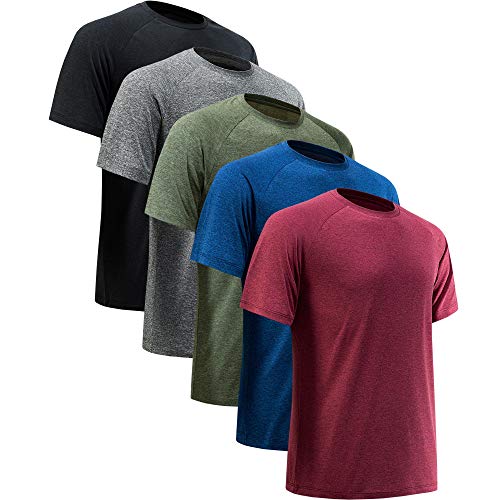
 Related pick
For most workouts, polyester and nylon blends are best because they wick moisture, dry quickly, and resist odors. For low-sweat activities like yoga, consider merino wool or bamboo for natural breathability. Avoid cotton for intense exercise as it holds sweat and causes chafing.
Choosing the right fabric for workout clothes can make or break your exercise experience. The wrong material traps sweat, causes chafing, and leaves you uncomfortable. The right fabric keeps you dry, cool, and focused. This guide breaks down the best options for different activities, so you can train without distraction.
Why Fabric Choice Matters for Performance and Comfort
Your workout clothes are your second skin during exercise. The fabric directly affects how your body manages heat, sweat, and movement. When you run, lift, or stretch, your body produces heat and moisture. A good fabric helps regulate temperature and wick sweat away from your skin, allowing it to evaporate quickly. This keeps you dry and prevents overheating.
Poor fabric choices lead to discomfort and even health issues. Cotton, for example, absorbs sweat and stays wet, which can cause chafing, skin irritation, and in cold weather, hypothermia. Fabrics that don’t breathe trap heat and bacteria, leading to odor and rashes. The right material also needs to stretch with your body without losing shape, and resist wear from frequent washing and friction.
Your activity level, intensity, and environment all influence the best fabric for you. A fabric that works for a gentle yoga class may not hold up during a high-intensity interval session. Understanding these differences helps you invest in pieces that truly support your fitness goals.
Synthetic Fabrics: The Workhorse of Activewear
Synthetic fabrics like polyester, nylon, and spandex dominate the activewear market for good reason. They are engineered to perform. Polyester is the most common because it is lightweight, durable, and hydrophobic – it repels water and dries quickly. It wicks moisture efficiently, making it ideal for running, cycling, and gym workouts where you sweat heavily.
Nylon is similar to polyester but softer and more flexible. It offers excellent stretch and recovery, which is great for activities requiring a full range of motion like dance or martial arts. Nylon is also stronger and more abrasion-resistant than polyester, so it lasts longer in high-friction areas like inner thighs or underarm seams. Many brands blend nylon with spandex (elastane) to add even more stretch. Spandex itself is never used alone; it is always blended to provide that signature four-way stretch that moves with you.
One drawback of synthetics is that they can trap odors. Since they repel water, bacteria from sweat stays on the fibers rather than being absorbed. This leads to persistent smells over time. However, many modern synthetic fabrics are treated with antimicrobial agents (like silver ions) to combat this. Washing with a sport-specific detergent also helps. For most athletes, the performance benefits far outweigh this issue.
Natural Fabrics: Merino Wool and Bamboo for Low-Sweat Activities
Natural fibers like merino wool and bamboo (rayon from bamboo) have gained popularity in activewear, especially for lower-intensity activities. Merino wool is a standout because it regulates temperature incredibly well. Unlike regular wool, merino is fine and soft – not itchy. It can absorb up to 30% of its weight in moisture without feeling wet, and it naturally resists odor due to its antimicrobial properties. This makes it perfect for yoga, hiking, or everyday wear when you want to stay comfortable but not drenched.
Bamboo fabric is made from bamboo pulp processed into rayon. It is soft, breathable, and has natural wicking abilities. It is also biodegradable, appealing to eco-conscious consumers. However, bamboo fabrics often require more care than synthetics; they can lose shape or pill over time. They also tend to be less durable for high-intensity workouts. For gentle pilates or a leisurely walk, bamboo is luxurious. For a CrossFit session, synthetics still outperform.
Cotton, while comfortable for casual wear, is the worst choice for exercise. It absorbs sweat like a sponge, becomes heavy, and clings to your skin causing friction. It also dries slowly, which can lead to chills in cool weather. Save your cotton tees for rest days or low-sweat activities like stretching at home.
Blends: The Best of Both Worlds
Most high-performance workout clothes are made from fabric blends, combining the strengths of different fibers. A common blend is polyester and spandex, where polyester provides moisture wicking and durability, and spandex adds stretch and recovery. This combination works for almost all activities, from weightlifting to yoga. Another popular blend is nylon and spandex, which feels softer against the skin and offers better flexibility – often used in leggings and sports bras.
Some blends incorporate natural fibers like merino wool with synthetic strands. For example, a merino-polyester blend retains the odor resistance and temperature regulation of wool while improving durability and drying time. These are excellent for multi-day adventures or travel where you need clothes that stay fresh and dry quickly.
When shopping, check the fabric composition label. Look for at least 50% polyester or nylon for wicking, with 5% to 20% spandex for stretch. Avoid high percentages of cotton (over 10%) in workout gear meant for sweat. Blends also tend to hold their shape better through washes and wear. They are a reliable choice if you want one pair of shorts or leggings that can handle various workouts.
Specialty Fabrics: Compressions, Mesh, and Weather Protection
Beyond the basics, some fabrics are designed for specific conditions or needs. Compression garments are made from tightly woven spandex-nylon blends that provide muscle support and improve blood flow. They also help reduce muscle oscillation during high-impact activities. Compression tights and tops are popular for running and recovery. Look for fabrics with a high spandex content (20% or more) for firm compression.
Mesh and ventilation panels are often made from polyester or nylon with an open knit structure. They are placed in high-heat zones like underarms or back to increase airflow. These fabrics are not meant for stretch but for breathability. For outdoor workouts, some clothes use water-resistant coatings or windproof membranes. These fabrics usually have a DWR (durable water repellent) finish on a polyester or nylon base. They keep you dry in light rain but may sacrifice some breathability.
Lastly, consider fabrics with UPF ratings for sun protection. Tightly woven synthetics typically offer UPF 50+, blocking 98% of UV rays. This is important for runners, cyclists, and anyone exercising outdoors for long periods. Read labels to find specialty features that match your environment, whether it’s hot, cold, humid, or sunny.
Frequently asked questions
Is cotton ever okay for workouts?
Cotton is only acceptable for very low-sweat activities like gentle stretching or walking in cool weather. For any moderate to intense exercise, synthetics or merino wool are far better at keeping you dry and comfortable.
Why do my synthetic workout clothes smell even after washing?
Synthetic fibers are hydrophobic, so bacteria from sweat stay on the fabric surface rather than being absorbed. Use a sports detergent or add a cup of white vinegar to your wash to remove odors and prevent buildup.
What fabric is best for yoga and pilates?
For yoga and pilates, look for fabrics with stretch and softness, such as a nylon-spandex blend or merino wool. These allow freedom of movement and manage light sweat well. Avoid cotton as it can become heavy and restrict movement.
Can I wear wool in hot weather?
Yes, merino wool is actually great for hot weather because it wicks moisture and regulates temperature. It keeps you cool when it's hot and warm when it's cool, making it versatile. However, for extremely high temps and heavy sweat, polyester may feel lighter.
Looking to buy? See our Clothing guides for tested picks.