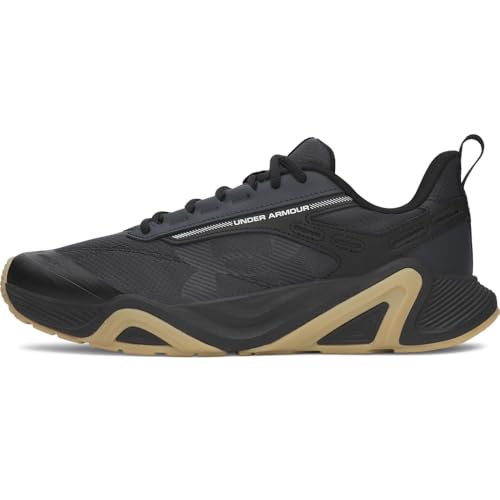
 Related pick
Weightlifting shoes have a raised heel and rigid sole for stability and force transfer during lifts like squats. Running shoes prioritize cushioning and flexibility for forward motion. Do not use running shoes for heavy lifting or weightlifting shoes for running.
When you step into the gym, your shoes can make or break your workout. But with so many options out there, it’s easy to grab the wrong pair. The truth is, weightlifting shoes and running shoes are built for completely different movements. Using the wrong type not only hurts your performance but also increases your risk of injury. This guide will help you understand the key differences so you can choose the right shoe for your goals.
Why shoe choice matters for your workout
Your feet are your foundation. Every squat, deadlift, lunge, or jog starts with contact between your foot and the ground. The shoe you wear changes how that force transfers through your body. Running shoes are designed to absorb impact and promote a rolling motion from heel to toe. Weightlifting shoes are built to be rock-solid and keep your foot stable under heavy load.
When you lift in running shoes, the soft foam compresses under weight, making you feel unstable. This can shift your balance and cause poor form. Similarly, running in weightlifting shoes locks your ankles and reduces natural shock absorption, leading to discomfort or injury. Choosing the right shoe for the activity protects your joints and helps you move efficiently.
Think of it this way: you would not wear hiking boots to a sprint race, so do not wear running shoes to a heavy squat session. Specialty shoes exist for a reason, and using them correctly can improve your results and keep you safe.
Key design differences between weightlifting and running shoes
The most obvious difference is the sole. Weightlifting shoes have a hard, non-compressible sole made of wood, plastic, or dense rubber. This creates a stable platform that does not absorb energy. Many also have a raised heel, typically 0.75 inches, which helps you maintain an upright torso during squats and allows for deeper squat depth. The heel is often tapered to support ankle mobility.
Running shoes, on the other hand, have thick, cushioned soles made of foam or gel. These materials compress to absorb shock when your foot hits the ground. The heel-to-toe drop is usually 8-12mm, which encourages a heel-strike running gait. The sole is flexible to allow your foot to bend naturally. Weightlifting shoes are stiff and barely flex at all.
Upper construction differs too. Running shoes use lightweight, breathable mesh to keep your feet cool and allow natural foot swelling during long runs. Weightlifting shoes have straps or lacing systems that lock your foot in place, often with a leather or synthetic upper that restricts movement. This prevents your foot from shifting inside the shoe when you press heavy weights.
Why you should not lift weights in running shoes
Running shoes are engineered for forward motion and impact absorption. When you stand still or push vertically against the ground, the cushioning works against you. The foam compresses under heavy weight, creating an unstable surface. This can cause your knees to cave in or your heels to lift during a squat, increasing injury risk.
Another issue is the heel-to-toe drop. In a squat, a higher heel drop with soft foam puts your body in a poor mechanical position. You may lean forward more, placing stress on your lower back. The flexible sole also allows your foot to pronate or supinate excessively, which can strain your ankles and knees over time.
If you only do bodyweight exercises or light weights, running shoes might be fine temporarily. But for any serious strength training, especially squats, deadlifts, or cleans, a weightlifting shoe provides the stability you need to lift safely and efficiently.
Why you should not run in weightlifting shoes
Weightlifting shoes are built for static stability, not dynamic movement. Their stiff sole and raised heel make running feel awkward and unnatural. The lack of cushioning means each foot strike sends shock directly through your joints, which can lead to shin splints, knee pain, or stress fractures.
The raised heel also changes your running mechanics. It puts your foot in a dorsiflexed position, which shortens your stride and alters your gait. Over time, this can cause muscle imbalances and discomfort. Weightlifting shoes are also heavier and less breathable, making them uncomfortable for any sustained running.
If you need to do a short jog as a warm-up or between sets, you can get away with it. But for any run longer than a few minutes, switch to proper running shoes. Your body will thank you.
How to choose the right shoe for your training
Start by assessing your primary activity. If you spend most of your time in the gym doing squats, deadlifts, and Olympic lifts, invest in a pair of weightlifting shoes. They will pay off in better stability, form, and performance. Look for a solid heel, secure fit, and non-compressible sole.
If your main focus is running, whether on the road or treadmill, go with running shoes that match your gait. Consider your arch type and pronation pattern. A good running shoe store can analyze your stride and recommend options. Do not worry about the gym; you can still do light lifting in running shoes if you are careful.
Many people do both running and lifting. In that case, the best solution is to own both pairs. Alternate based on your workout of the day. If you can only have one pair, choose cross-training shoes. They offer a middle ground: moderate cushioning with a flat, stable sole. They are not ideal for heavy lifting or long runs, but they work for general fitness classes and lighter workouts.
Ultimately, listen to your body. If you feel unstable or uncomfortable during an exercise, your shoes might be the problem. Experiment with different types and see what helps you move better.
Frequently asked questions
Can I use running shoes for weightlifting if I am a beginner?
You can temporarily, but you will be safer and more stable in weightlifting shoes. Beginners often overlook stability, which can reinforce poor form. For light weights it is okay, but as you progress, invest in proper shoes.
Are flat shoes like Converse or Vans good for lifting?
Flat shoes with a hard sole are better than running shoes for lifting because they provide a stable base. However, they lack the raised heel of weightlifting shoes, which helps with squat depth. They work fine for deadlifts but are not ideal for squats.
Do I need weightlifting shoes for deadlifts?
Not necessarily. Many lifters prefer flat shoes or even barefoot for deadlifts because the elevated heel can shift your balance forward. Weightlifting shoes can still work, but some find them less optimal than a flat sole.
Can I wear weightlifting shoes for walking or casual wear?
It is not recommended. Weightlifting shoes are stiff, heavy, and uncomfortable for walking long distances. They also look bulky and may damage floors. Keep them for gym use only.
Looking to buy? See our Footwear guides for tested picks.