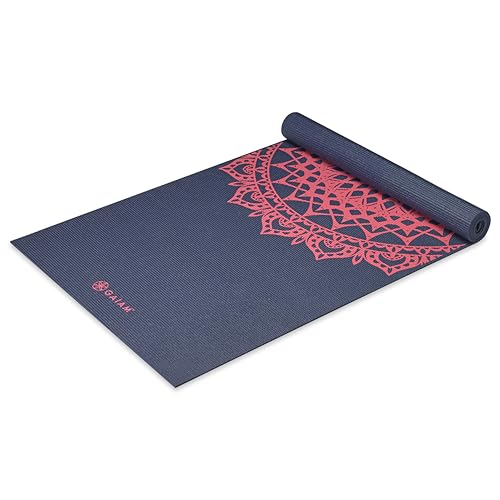
Store your yoga gear in a cool, dry place away from direct sunlight. Clean your mat regularly with a gentle spray, roll it loosely, and hang straps and towels. Use a bin or shelf for blocks and blankets to keep them organized and accessible.
Your yoga gear works hard for you, so giving it a proper home is a simple way to show it some respect and extend its life. Whether you practice daily or a few times a week, how you store your mat, blocks, straps, and towels makes a big difference in keeping them fresh, clean, and ready for your next session. Here is a straightforward guide to storing yoga gear at home, with no fancy gadgets or expensive solutions needed.
1. The Basics of Yoga Mat Storage
Your yoga mat takes the most abuse, so storing it correctly is key. After each practice, let your mat air dry completely before rolling it up. Moisture trapped inside can lead to mildew and odors. If your mat is damp, spread it flat or drape it over a drying rack for an hour or so.
Roll your mat loosely with the top side facing outward to keep the surface from sticking to itself. Avoid tight rolling that can cause permanent creases. Store it in a cool, dry place away from direct sunlight. UV rays can break down the material over time, making it less grippy and more prone to cracking. A closet, under a bed, or a dedicated corner in your workout room are all great options.
If you have a cork or natural rubber mat, these materials are more sensitive to humidity and extreme temperatures. Keep them in a room with stable climate control. You can also use a mat bag or a simple sleeve for extra protection when not in use, but make sure the mat is completely dry before putting it in the bag.
2. Caring for Yoga Blocks
Yoga blocks are usually made of foam, cork, or wood, and each material needs slightly different care. Foam blocks are lightweight and can be wiped clean with a mild soap and water solution. Let them air dry fully before storing. Cork blocks are naturally antimicrobial but can get damaged if left soaking wet. Wipe them down with a damp cloth and dry them upright.
Store blocks in a stack or on a shelf where they won’t get knocked over. If you have limited space, a small basket or bin works well. Avoid piling heavy items on top of them, as this can deform foam blocks over time. For cork and wood blocks, keep them away from direct heat sources and moisture to prevent warping or cracking.
3. Keeping Yoga Straps and Belts Neat
Yoga straps and belts are simple but can easily become tangled or dusty if not stored properly. After each use, wipe them down if they are dirty, especially if you sweat on them. Let them air dry completely. Many straps are machine washable, but check the label to be sure.
To store, you can roll them up and tuck them into a drawer, or hang them on a hook. A simple command hook on the wall inside your closet keeps them accessible and untangled. Another option is to use a small fabric bag or a mesh pouch to keep them together with your other accessories.
4. Organizing Yoga Towels and Blankets
Yoga towels and blankets need to breathe to stay fresh. After washing, dry them thoroughly before folding and storing. Damp towels stored in a pile can develop a musty smell. If you use a microfiber towel, avoid fabric softener, which can reduce its absorbency.
Store towels and blankets in an open bin or on a shelf where air can circulate. You can also roll them up and place them in a decorative basket for easy grab and go access. For blankets, folding them neatly and stacking them works, but avoid overstuffing your storage space, as it can cause wrinkles and reduce fluffiness.
5. General Storage Solutions and Habits
One of the easiest ways to keep your gear organized is to designate a specific spot for everything. A dedicated yoga corner, a shelf in your closet, or even a small cart on wheels can hold your mat, blocks, and accessories. This makes it effortless to grab what you need and put it back after practice.
Regular maintenance is key. Wipe down your mat and props periodically, even if they look clean. Sweat and oils build up over time and can degrade materials. A simple spray of water with a few drops of tea tree oil can help disinfect without harsh chemicals. Also, inspect your gear for wear and tear. Replace items when they start to show signs of damage to avoid injury or discomfort.
Finally, think about airflow. Avoid storing your gear in airtight containers for long periods. Breathability prevents moisture buildup and keeps everything smelling fresh. With these simple habits, your yoga gear will stay in great shape, ready for your next practice.
Frequently asked questions
Can I store my yoga mat in the garage?
It is not recommended because garages often have extreme temperatures and humidity that can damage the mat material. A climate controlled indoor space is better for longevity.
How often should I clean my yoga mat?
Wipe it down after each use with a gentle cleaner, and deep clean it once a month or more if you practice daily. This prevents dirt buildup and extends its life.
Should I store my yoga mat rolled up or flat?
Either is fine, but if you store it flat, ensure the surface is clean and free of debris. Rolling it loosely is the most space efficient and keeps the mat from getting creases.
Can I store yoga blocks in a damp bathroom?
It is better to avoid damp areas because moisture can encourage mold growth and degrade materials like cork and foam. A dry closet or shelf is a safer choice.
Looking to buy? See our Yoga guides for tested picks.