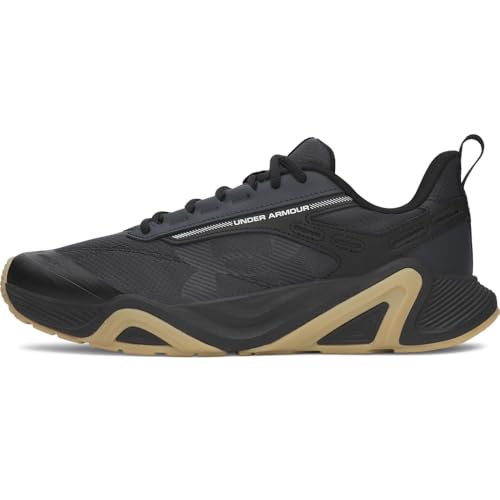
 Related pick
Weightlifting shoes have a raised heel for deeper squats and better ankle mobility, plus a firm sole for stability. Flat shoes (like Chuck Taylors) keep your foot flat and close to the ground, ideal for deadlifts and Olympic lifts. Choose based on your main lift and mobility needs.
If you are serious about lifting, you have probably wondered whether you need weightlifting shoes or if you can just go with flat shoes. Both have strong arguments from experienced lifters, and the right choice depends on your specific goals, your body mechanics, and the lifts you prioritize. This guide breaks down the differences honestly, without any sales pitch, so you can make an informed decision.
What are weightlifting shoes and what do they do?
Weightlifting shoes, sometimes called lifters, are designed with a raised heel made of wood or hard plastic. The heel height typically ranges from 0.5 to 1 inch, but the exact measurement varies by brand. This elevation shifts your center of mass forward, allowing you to squat deeper with a more upright torso. The sole is completely rigid, with no compression under load, which provides a stable platform for heavy squats and overhead presses.
The raised heel also helps if you have limited ankle dorsiflexion, meaning you cannot bend your ankle enough to keep your heel on the ground during a deep squat. Weightlifting shoes effectively mimic the effect of placing small plates under your heels, but in a stable, integrated way. They are particularly popular among Olympic weightlifters who perform snatches and clean and jerks, but they are also used by many powerlifters and recreational lifters for squats.
What are flat shoes and when are they better?
Flat shoes refer to any footwear with a zero drop (heel and toe at the same height) and a thin, non compressible sole. Classic examples are Converse Chuck Taylors, Vans, or dedicated deadlifting slippers. Some people also lift barefoot or in minimalist shoes like Vibrams. The key characteristic is that your foot sits flat and close to the ground, which can improve balance and force transfer in certain lifts.
Flat shoes shine in deadlifts because they maintain a natural foot position, allowing you to push through your whole foot without any forward tilt. They are also preferred for bench press, as a flat foot provides a stable base. For squats, flat shoes may work well if you have excellent ankle mobility and do not need the heel lift. Many powerlifters who squat in a wide stance with a more bent over position prefer flat shoes because the heel lift can push their balance too far forward.
When weightlifting shoes are the right call
Weightlifting shoes are the best choice if your primary lifts are front squats, back squats, or overhead presses, especially if you have limited ankle mobility. The heel allows you to keep your torso upright, which reduces strain on your lower back and helps you hit depth more easily. If you train Olympic lifts regularly, weightlifting shoes are almost essential because they provide the stability and heel lift needed for receiving positions.
Another situation where lifters are beneficial is if you have long femurs relative to your torso. Longer femurs force your hips to travel farther back in a squat, which can pitch your torso forward. The heel lift counteracts this by shifting your knees forward slightly, enabling a more vertical back angle. Many tall lifters find weightlifting shoes make squatting more comfortable and safer.
When flat shoes are the better option
Flat shoes are generally preferred for deadlifts because they minimize the distance you have to pull the bar. A heel lift raises your hips and changes your starting leverage, often making the deadlift harder from the floor. For sumo deadlifts, a flat shoe allows you to get your hips closer to the bar. Many deadlift specialists and powerlifters wear flat shoes or deadlift slippers for this reason.
Flat shoes are also the go to for bench press and overhead press in some cases, as a flat foot provides a stable platform. If you squat with a low bar position (common in powerlifting), a flat shoe may feel more natural because your hips are already set back. Additionally, if you have hypermobile ankles or prefer to keep your balance through your midfoot, flat shoes avoid the forward lean that some people experience in lifters.
How to choose based on your training and mobility
Start by assessing your ankle mobility. Sit on a box, put one foot flat on the ground, and slide your knee forward over your toes without lifting your heel. If you can go past your toes about 4 inches, you likely have adequate mobility for flat shoes. If not, weightlifting shoes can compensate. Also consider your lifting goals if you compete in powerlifting, check your federation rules, as some allow only certain shoe types.
A practical approach is to own both types. Use weightlifting shoes for squat and overhead press days, and flat shoes for deadlifts and bench. If you only want one pair, think about which lifts are most important to you. For general fitness and casual lifting, flat shoes like Chucks are versatile and cheap. But if your main focus is squatting deep and heavy, investing in weightlifting shoes could improve your technique and comfort.
Frequently asked questions
Can I lift weights in running shoes?
Running shoes have thick, compressible soles that can make you unstable under heavy loads. They also have a heel to toe drop that may shift your balance forward, which is not ideal for squats or deadlifts. It is better to lift in flat shoes or weightlifting shoes for safety and performance.
Are weightlifting shoes worth it if I only squat once a week?
If you squat heavy and have mobility issues, even one squat day per week can benefit from weightlifting shoes. However, if you squat light or have good mobility, flat shoes may be sufficient. The investment is worthwhile if it helps you squat deeper and more comfortably.
Can I deadlift in weightlifting shoes?
You can, but it is not ideal. The raised heel puts you slightly off balance and increases the range of motion of the deadlift. Most experienced lifters prefer flat shoes or bare feet for deadlifting to maximize leverage and stability.
Do I need to buy expensive branded weightlifting shoes?
High end weightlifting shoes offer durability and a precise fit, but affordable options can work well for beginners. Look for a firm sole and a heel height that feels natural for your squats. You do not need the most expensive pair to get benefits.
Looking to buy? See our Footwear guides for tested picks.