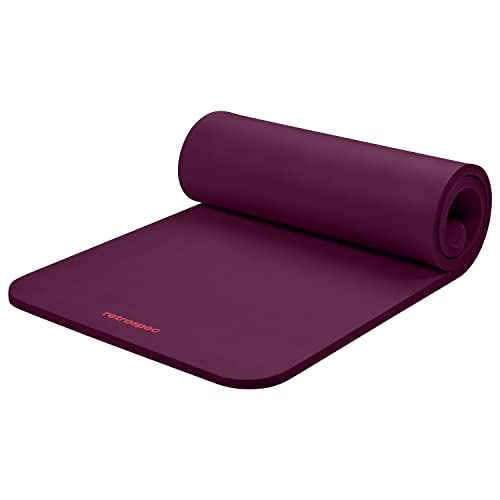
A good Pilates mat is typically 10mm to 15mm thick, noticeably thicker than a standard yoga mat (usually 3-6mm). That extra cushioning protects your spine and joints during floor-based movements, while staying firm enough that you don’t sink and lose stability during balance work.
Pilates and yoga mats aren’t interchangeable the way they might look at a glance, the thickness difference exists because the two practices load the body differently. Pilates spends far more time with your spine directly on the mat, which changes what “comfortable” actually requires.
Why Pilates needs more cushioning than yoga
A large portion of mat Pilates work, roll-ups, spine twists, the hundred, involves your spine and tailbone pressing directly into the mat, often with real body weight behind it. A thin yoga mat that’s fine for standing poses can feel uncomfortably hard against the spine during these movements, which is why dedicated Pilates mats run thicker.
But not too thick
Beyond about 15mm, a mat starts sacrificing stability, balance and single-leg work in Pilates require a firm connection to the floor, and an overly plush mat can make you feel unstable or sink unevenly, similar to trying to balance on a soft mattress. This is different from yoga’s needs, where portability and floor connection during standing poses often matter more than spinal cushioning.
How to decide within that 10-15mm range
If you have sensitive joints, a bony frame, or do a lot of floor-based mat work specifically, lean toward the thicker end (13-15mm). If your practice mixes standing and floor work, or you travel with your mat often, a slightly thinner option (10mm) balances cushioning with portability better. For comparing Pilates mats against standard yoga mats directly, see our guide on Pilates mat vs yoga mat.
Frequently asked questions
Can I use a regular yoga mat for Pilates instead?
You can, but expect more discomfort during spine-loaded movements. A yoga mat works fine for gentler or standing-focused Pilates sessions, less so for classical mat work with a lot of rolling and spinal contact.
Do Pilates reformers need a separate mat?
Usually not a thick floor mat, reformer padding is built into the machine itself. A thin mat or towel is sometimes used for hygiene rather than cushioning on a reformer.
Does mat thickness affect Pilates socks or grip?
Not directly, grip socks work with the mat surface, not its thickness. See our guide on why wear grip socks for Pilates for that separate consideration.
Bottom line
Aim for 10-15mm for classical mat Pilates, thicker if you’re sensitive to spinal pressure, thinner if portability matters more to you. Going much beyond that range trades away the floor stability Pilates actually needs.