 Related pick
Weighted jump ropes add resistance for strength and endurance, while smart jump ropes track metrics like jumps and calories. Choose weighted for intensity and smart for feedback and accountability.
Jump ropes are a simple and effective fitness tool, but not all jump ropes are the same. Weighted jump ropes and smart jump ropes serve different purposes, and choosing the right one can make your workouts more productive. This article breaks down the differences, benefits, and drawbacks of each to help you decide based on your specific goals.
What is a weighted jump rope?
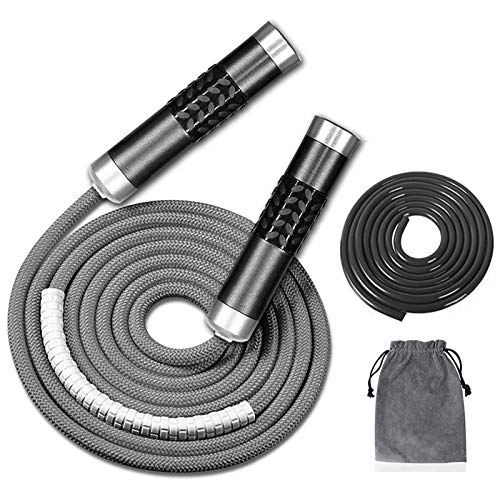
A weighted jump rope has added mass in the handles, the cable, or both. The extra weight increases the resistance your arms and shoulders must overcome with each rotation. This makes muscles work harder, building strength and endurance in the upper body.
Weighted ropes come in various weights, typically from 1 pound up to 5 pounds or more. The cable is often made of vinyl, leather, or beaded material that swings slower than a speed rope. This slower rotation forces you to jump at a steady pace, focusing on control rather than speed.
Many athletes use weighted jump ropes for boxing, MMA, or general conditioning to improve punching power and stamina. They also add variety to traditional jump rope routines, allowing for progressive overload similar to lifting heavier weights.
What is a smart jump rope?
A smart jump rope is a digital rope that tracks your workout data. It usually connects to a smartphone app via Bluetooth and records metrics like the number of jumps, calories burned, jump duration, and sometimes jump consistency or intervals. The rope itself may be lightweight and similar to a speed rope, but the handles contain sensors and electronics.
The main appeal is the feedback. You can see your progress over time, set goals, and get a more objective measure of your effort. Many smart ropes also offer guided workouts or challenges within the app. This can be motivating for people who enjoy data-driven training.
Battery life varies, but most smart ropes last for many hours of use before needing a charge. Some models allow you to use them without the app, functioning like a basic speed rope, but the smart features are what set them apart.
Pros and cons of weighted jump ropes
Pros: Weighted ropes provide a unique strength building stimulus. The extra resistance engages your forearms, shoulders, and core more than a lightweight rope. They are durable and have no electronics to fail, so they are very reliable. They also force you to jump slower and more deliberately, which can improve your form and reduce wrist strain from frantic rotations.
Cons: They are not designed for speed or double unders. The heavier cable can hurt if it hits your shins or feet, and it may leave some bruising. Because they are heavy, they are not ideal for long endurance sessions at high speed. Also, without any tracking, you need to manually log your time or reps if you care about metrics.
Weighted ropes are best for people who want to build upper body endurance and strength, especially those in combat sports or looking for a resistance element in their cardio.
Pros and cons of smart jump ropes
Pros: Smart ropes give immediate feedback on your output. They can help with motivation and goal setting. The ability to see your total jumps or time automatically removes the hassle of counting. Many apps also include progress charts, which can be encouraging. The ropes are usually lightweight and suitable for speed work, including double unders.
Cons: The main downside is dependence on technology. The rope may need charging, and the app could have bugs or require a subscription for full features. Also, the sensors in the handles might be less accurate if you switch hands mid-session or swing unevenly. Some people find the electronics make the handles slightly heavier or bulkier than a basic speed rope.
Smart ropes are ideal for metric lovers and those who like to gamify their fitness. They are not meant for strength training but for cardiovascular and skill work where tracking matters.
Which one should you choose?
Your choice depends on your primary goal. If you want to build upper body strength and endurance, and you care less about speed or jump count, go with a weighted jump rope. It is a simple, durable tool that adds resistance to your workouts. It is great for boxing, martial arts, or anyone looking to make jumping rope more of a strength exercise.
If your priority is tracking progress, staying motivated with data, or improving your jump rope skills with feedback, then a smart jump rope is better. It suits people who enjoy tech driven workouts and want to quantify their cardio. For general fitness, a smart rope offers accountability that can help you stay consistent.
Many athletes eventually own both, using the weighted rope on strength days and the smart rope for speed, agility, or high rep sessions. But if you can only have one, think about what will keep you jumping consistently.
Frequently asked questions
Can I do double unders with a weighted jump rope?
Double unders are very hard with a weighted jump rope because the rope moves slower. It requires much more arm strength and timing, making it less practical than with a speed or smart rope.
Do smart jump ropes count jumps accurately?
Most smart ropes are accurate for basic jump counting when used correctly. However, accuracy can drop if you jump unevenly or switch hands mid session.
Will a weighted jump rope build muscle?
Yes, especially in the forearms, shoulders, and upper back. The extra resistance provides a strength stimulus similar to light weight training.
Do I need a phone app to use a smart jump rope?
You can often use a smart rope as a standard rope without the app, but you lose all tracking features. The app is needed for data recording and guided workouts.
Looking to buy? See our Skipping Ropes guides for tested picks.