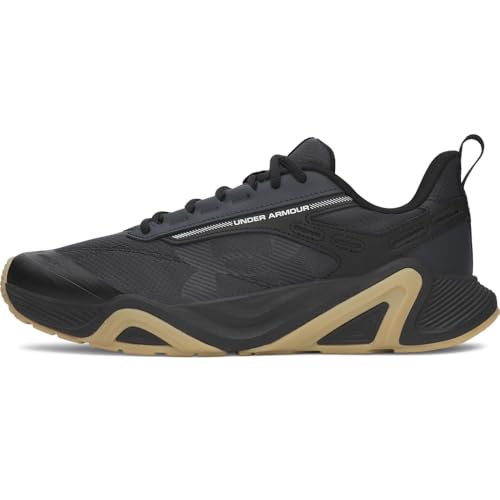
 Related pick
Training shoes for beginners should prioritize comfort, stability, and versatility. Look for a flat, wide base, low heel-to-toe drop, and durable outsole. Avoid overly cushioned or specialized shoes. Try them on with workout socks and test for snug heel fit and wiggle room in toes.
Starting a fitness journey is exciting, but choosing the right gear can be confusing. Your shoes are the most important piece of equipment. This guide cuts through the marketing noise and gives you simple, honest advice on what to look for in your first pair of training shoes. No hype, just practical tips to keep you comfortable and safe.
Why Training Shoes Matter for Beginners
When you start working out, your body is adapting to new movements and stresses. The wrong shoes can lead to discomfort, blisters, or even injury. Training shoes are designed to support lateral (side-to-side) movements, jumping, and lifting. Running shoes, on the other hand, are built for forward motion and often have thicker cushioning that can make you unstable during strength exercises.
For beginners, a good training shoe provides a stable platform. This helps you maintain proper form, whether you are doing squats, lunges, or using machines. Stability reduces the risk of ankle rolls and allows your feet to feel the ground better. Investing in a dedicated training shoe early can save you from setbacks and make your workouts more enjoyable.
It is not about buying the most expensive pair. It is about finding a shoe that fits well and matches the type of activity you plan to do most. If your routine includes a mix of cardio, weight training, and classes, a versatile cross-trainer is your best bet.
Key Features to Look For
When shopping for your first training shoes, focus on a few key features. First, look for a flat and wide base. This provides stability during lifts and balance exercises. Avoid shoes with a pronounced heel lift, as they can pitch you forward. A low heel-to-toe drop (around 4-8mm) is ideal for most beginners.
Second, check the outsole. You want a rubber sole with a tread pattern that grips gym floors. Avoid overly aggressive treads meant for trail running. The sole should be flexible enough to allow natural foot movement but firm enough to support heavy loads. Press the shoe at the forefoot to see if it bends easily.
Third, consider the upper material. Mesh uppers are breathable and lightweight, but may lack durability. Synthetic leather or knit uppers offer more support. Look for a shoe with a secure heel counter (the cup that holds your heel) to prevent slippage. Also, ensure there is enough toe room to wiggle your toes without pressure.
Common Mistakes Beginners Make (and How to Avoid Them)
One big mistake is buying running shoes for training. Running shoes are designed for forward motion and often have a lot of cushioning, which can make you unstable during lateral movements. They also tend to have a higher heel drop, which can affect squat form. Stick to training-specific shoes for gym work.
Another mistake is choosing style over function. While it is fine to like the look of a shoe, do not let that be the deciding factor. A cool design does not replace proper fit and support. Try on multiple brands and models to see what feels best for your foot shape.
Finally, many beginners buy shoes that are too big or too small. Shoes should fit snugly in the heel and midfoot but have a thumb’s width of space in the toe box. Wear the socks you plan to work out in when trying them on. Also, try shoes later in the day when your feet are slightly swollen, as they will be during exercise.
How to Choose Based on Your Workout Style
Your choice of training shoe should match your primary activities. If you do mostly weightlifting, look for shoes with a flat, hard sole and minimal cushioning. Weightlifting shoes often have a raised heel for better squat depth, but beginners may prefer a flat cross-trainer for versatility. Avoid overly cushioned shoes for lifting, as they can absorb force and make you unstable.
If your routine includes high-intensity interval training (HIIT) or classes like CrossFit, you need a shoe that can handle jumping, running short distances, and lifting. Look for a shoe with moderate cushioning, a stable base, and good grip. These hybrid shoes are often called cross-trainers and are the most versatile for beginners.
For those who focus on cardio like treadmill walking, elliptical, or dance-based classes, comfort and breathability are key. Choose a shoe with a bit more cushioning and flexibility but still with lateral support. Avoid pure running shoes if your class includes side steps or lunges.
Tips for Finding Your Perfect Fit
Go to a store in the afternoon or evening, as feet swell during the day. Wear the socks you intend to use for workouts. Try on both shoes, as one foot may be slightly larger. Walk around, do a few squats, and mimic the movements you will do in the gym. The shoes should feel comfortable immediately with no rubbing or pinch points.
Pay attention to the heel. It should lock in place without slipping. If your heel lifts when you walk, the shoe is too big or the heel counter is not secure. Also, check the width. If your foot bulges over the sides, look for a wide width option. Many brands offer different widths.
Remember, the best shoe for you is the one that fits your foot shape and activity. Do not get caught up in brand hype or online reviews that claim one shoe is the best for everyone. Your feet are unique, so trust your own comfort test. A good fit will help you enjoy your workouts and stay injury-free.
Frequently asked questions
Can I use running shoes for training?
It is not recommended. Running shoes are built for forward motion and have extra cushioning that can make you unstable during lateral moves or weightlifting. Training shoes offer better support for multi-directional movements.
How often should beginners replace training shoes?
Replace them every 6 to 12 months depending on frequency of use. If the outsole is worn smooth or you feel less support, it is time for a new pair. Beginners may get longer life if they only train a few times a week.
Should I buy shoes with a lot of cushioning?
Not necessarily. Too much cushioning can reduce stability and ground feel, which is important for weight training. Aim for moderate cushioning that still allows you to feel the floor. Beginners often need some cushioning for comfort, but avoid extreme plushness.
Do I need different shoes for different workouts?
If you do a mix of activities, a versatile cross-trainer can handle most. But if you specialize in heavy lifting, consider dedicated weightlifting shoes. For beginners, one good pair of cross-trainers is usually enough until you know your preferences.
Looking to buy? See our Footwear guides for tested picks.