 Related pick
To build a home gym under budget, start with adjustable dumbbells, a bench, resistance bands, and a yoga mat. Prioritize multi-purpose gear, buy used, and skip machines. Set a realistic budget and focus on bodyweight exercises first.
Building a home gym doesn’t have to drain your wallet. With smart choices and a focus on essentials, you can create an effective workout space that supports your fitness goals without breaking the bank. This guide offers practical, honest advice to help you prioritize what matters and avoid costly mistakes.
Start With the Basics: No Gym Needs a Fancy Start
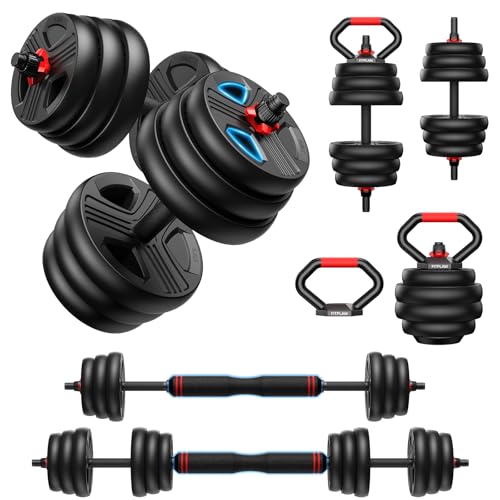
Before buying anything, ask what exercises you enjoy and need. The core of any budget home gym is versatile, small footprint equipment. Adjustable dumbbells, a sturdy bench, resistance bands, and a yoga mat cover most strength, cardio, and flexibility work. These items offer hundreds of exercise variations and stack away easily.
Skip single-use machines like leg presses or bicep curl stations. They take up space and cost more than they’re worth for most people. Instead, invest in gear that grows with you. For example, a set of adjustable dumbbells from 5 to 50 pounds can serve you for years. Used equipment from online marketplaces or garage sales often works perfectly for a fraction of the retail price.
Another tip: start with bodyweight exercises. Pushups, squats, lunges, and planks require zero equipment and build a solid foundation. Over time, add gear as your strength increases. This gradual approach keeps your initial spending low and ensures you only buy what you’ll actually use.
Choose Multipurpose Gear Over Gadgets
Every piece in your home gym should pull double duty. Adjustable dumbbells replace a whole rack of fixed weights. A flat/incline bench works for chest presses, rows, step-ups, and even as a seat for bicep curls. Resistance bands can mimic many cable machine exercises and are great for warmups or travel.
A single kettlebell is a surprisingly versatile tool: swings, goblet squats, Turkish get-ups, and carries. Similarly, a pull-up bar (doorway or wall-mounted) unlocks back and arm exercises with no extra weight needed. Look for bars that also support gymnastic rings for added versatility.
Avoid products that claim to be revolutionary but have limited use. The industry is full of expensive contraptions that gather dust. Stick to the classics: a barbell with plates is unbeatable for heavy lifts, but if that’s too much, start with dumbbells and bands. Remember, consistency matters more than fancy gear.
Shop Smart: Buy Used, Wait for Sales, and DIY
Used equipment is your best friend. Check Craigslist, Facebook Marketplace, OfferUp, and local pawn shops regularly. People often sell barely used exercise equipment for a steal. Inspect items for wear and function; simple fixes like tightening bolts are common. For weights, rust can be surface-level and sandable, but avoid cracked plates or frayed cables on bands.
If buying new, wait for holiday sales like Black Friday or New Year promotions. Online retailers often offer free shipping on heavy items, which saves you money. Also consider generic brands over name brands for bands, mats, and even some weight stacks. They often use similar materials.
DIY is another option for some gear. Filling a backpack with books creates a makeshift weighted vest. Sandbags (heavy-duty bags filled with sand from a hardware store) are incredibly cheap and functional for carries, squats, and throws. Cinder blocks can serve as improvised step platforms or weights. Get creative, but always prioritize safety.
Maximize Your Space Without Breaking the Wall
Most home gyms occupy a corner of a bedroom, garage, or living room. To avoid clutter, choose gear that stores neatly. Resistance bands hang on a hook, dumbbells sit on a rack (or floor), and a yoga mat rolls up. A folding bench slides under a bed. A doorway pull-up bar leaves floor space free.
Consider vertical storage: wall-mounted racks for weights or bands keep the floor clear. If you have a garage, a simple plywood platform for deadlifts protects the floor and dampens noise. For apartments, use rubber stall mats (for horse stalls) as a cheap, durable floor covering that absorbs impact and protects floors.
Lighting and organization matter too. A mirror (from a thrift store) helps check form, and adequate lighting makes the space inviting. Keep equipment clean and accessible; if it’s a hassle to set up, you’ll skip workouts. A small basket for bands or a caddy for weights keeps things tidy.
Prioritize Progress Over Perfection
Your budget home gym should enable consistent workouts, not match a commercial gym. You can build serious strength with basics: progressive overload comes from adding more weight, reps, or difficulty variations. A pair of adjustable dumbbells and a bench can provide years of progressive training if you are creative.
Also invest in free resources: apps, YouTube channels, or online communities offer guided workouts and programming. Many are high quality and cost nothing. Your gym’s value is measured by how often you use it, not its retail price.
If you find yourself outgrowing your gear, sell upgrades and reinvest. This cycle keeps your gym current and cost-effective. Remember, the most important piece of equipment is your motivation. Keep workouts fun and varied; mix in cardio like jump rope, running outside, or bodyweight circuits to complement your strength training.
Frequently asked questions
Do I need a barbell and squat rack for a home gym?
No, barbells and racks are large and expensive. Adjustable dumbbells, resistance bands, and a sturdy bench offer similar results with far less cost and space.
Can I use resistance bands instead of weights?
Yes, resistance bands are a great budget alternative for strength training, though they have different resistance curves. Combine them with bodyweight exercises for a full workout.
What's the most important piece of equipment for a budget home gym?
Adjustable dumbbells. They replace multiple pairs of fixed dumbbells, take up little space, and allow progressive overload across many exercises.
How can I save money on flooring for a home gym?
Use horse stall mats from a farm supply store. They are thick, durable, and cost much less than gym flooring. Cut to size with a utility knife.
Looking to buy? See our Strength Training guides for tested picks.