 Related pick
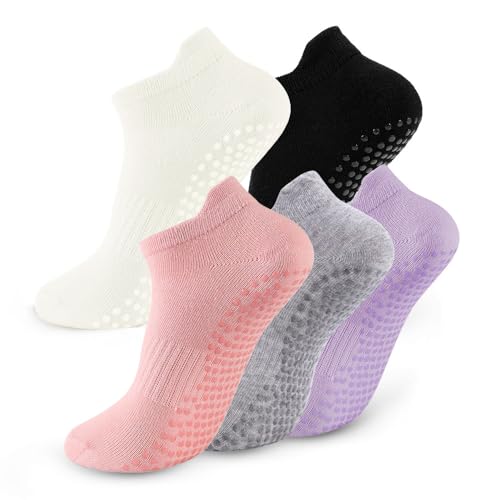
No show socks for the gym are low-cut socks that stay hidden inside your shoes. Look for silicone heel grips to prevent slipping, moisture-wicking fabrics like cotton blends or synthetics for breathability, and reinforced heels and toes for durability. Avoid pure cotton as it absorbs sweat and causes blisters.
If you are tired of socks that slip down into your sneakers mid squat or leave you with blisters after a treadmill session, you are in the right place. No show socks are a popular choice for the gym because they keep your look clean and let your ankles breathe. But not all no show socks are built the same. Some are great for lifting, others for running, and some are just not worth your time. In this article, we break down what makes a good no show gym sock, what to avoid, and how to pick the right pair for your workouts.
What Makes a No Show Sock Work for the Gym?
No show socks are designed to stay hidden below the ankle of your shoe, but that low cut creates a challenge. They need to stay put during dynamic movements like sprints, lunges, and box jumps. The key feature that makes them stay up is a silicone or rubber grip strip on the inside of the heel. Without it, the sock will slide down into your shoe, which is annoying and can cause rubbing.
Material matters a lot. The best no show socks for the gym use moisture wicking fibers like polyester, nylon, spandex, or a cotton blend with synthetic fibers. Pure cotton socks get wet with sweat, lose their shape, and increase friction. This leads to blisters. A good gym sock should feel lightweight and breathable, not thick or cushioned like a hiking sock. However, some lifters prefer a bit of padding in the heel and toe for shock absorption during heavy deadlifts or lunges.
Durability is another factor. The heel grip will wear out after many washes. Look for socks where the silicone is embedded into the fabric rather than just painted on. Painted grips peel off quickly. Also check the toe seam. A flat toe seam reduces irritation inside tight training shoes. Reinforced heels and toes help the sock last longer, especially if you do a lot of lateral movements.
Best Materials for No Show Gym Socks
Cotton is comfortable for casual wear, but for the gym, it is a poor choice. Cotton absorbs sweat, becomes heavy, and stays wet. This can cause blisters and odor. Instead, look for socks made from a blend of polyester, nylon, and spandex. These materials wick moisture away, dry quickly, and keep their shape. Merino wool is also an excellent option if you run hot or have sweaty feet. It is naturally odor resistant and breathable, but it is usually more expensive.
Some no show socks have extra mesh panels on the top of the foot for ventilation. This helps keep your feet cool during high intensity sessions. If you do a lot of cardio or HIIT, a thinner sock with good ventilation is better. For weightlifting, a slightly thicker sock can provide a bit of cushioning for the heel and toe when you are pressing or pulling. Just make sure it is not so thick that it makes your shoes too tight.
Avoid socks that are 100% acrylic or with a high polyester content that feels plasticky. These can trap heat and make your feet sweat more. A good test is to check the label for a balance of synthetic fibers (about 60-80%) with some natural fiber like cotton or wool. Spandex (elastane) should be 5-10% for stretch and fit retention.
How to Prevent Socks from Slipping Down
The most common complaint about no show socks is that they slip off the heel and end up bunched under the arch of your foot. This is almost always due to a weak or poorly placed silicone grip. When shopping, look for a wide silicone strip that wraps around the entire back of the heel. Some brands use a zigzag pattern or multiple strips for extra grip. The grip should feel tacky but not rough against your skin.
Fit is also crucial. No show socks should be snug but not tight. If the sock is too big, the heel will shift. If too small, it will stretch the grip and cause it to fail. Most brands have size ranges like S/M or M/L. If you fall near the top of a range, size up. Also consider the shape. Some socks have a left and right foot design that conforms better to the foot shape. These tend to stay on better.
Washing affects grip. Silicone can become less effective if you use fabric softener or dryer sheets. The residue coats the silicone and reduces friction. Wash your no show socks inside out in cold water and air dry them if possible. Heat from the dryer can also break down the elastic and grip over time. If your socks start slipping, try washing them without softener or replacing them.
No Show Socks for Different Gym Activities
Different workouts put different demands on your socks. For running on a treadmill or outdoors, you want a thin, breathable no show sock with good heel grip. Moisture management is key because your feet will sweat. Look for mesh ventilation and a seamless toe to prevent blisters from repetitive motion. Some runners prefer a small tab at the back to prevent the sock from slipping into the shoe, but that is technically not a no show design.
For weightlifting, stability is more important than breathability. You may want a sock with a bit more thickness in the heel and toe to protect against pressure from the barbell during squats or deadlifts. A snug fit around the arch can also provide slight support. Avoid socks with thick padding in the forefoot as this can make you feel unstable on the platform. Many lifters prefer crew socks, but no show socks work if they have good grip.
For high intensity interval training (HIIT) or CrossFit, you need a sock that can handle jumping, burpees, and lateral movements. The heel grip must be strong. Look for socks with reinforced heels and toes, as these areas experience the most wear. A compression fit around the arch can help keep the sock in place. Some brands offer a no show sock specifically designed for cross training with extra durability in high friction areas.
Common Mistakes People Make with No Show Socks
One mistake is buying the cheapest pack of no show socks you find. They are often made with low quality materials and have poor heel grips that fail after a few wears. You end up pulling them up constantly or dealing with blisters. It is better to spend a little more on a few pairs that work well than to have a drawer full of socks that annoy you every workout.
Another mistake is wearing no show socks with shoes that have a high heel collar or are not designed for low cut socks. Some training shoes have a high back that can push the sock down. If your shoe has a padded ankle collar, a no show sock might not stay up well. In that case, consider a sock with a small tab or a low cut sock that still shows a little. Pay attention to how your shoe and sock interact.
Finally, ignoring proper sock care reduces their lifespan. As mentioned, fabric softener ruins the grip. Also, avoid tossing them in the dryer on high heat. If your socks start to lose elasticity or the grip becomes shiny and smooth, it is time to replace them. A good no show sock should last about three to six months with regular use, depending on how often you wash them and the quality of the materials.
Frequently asked questions
Why do my no show socks keep falling down?
The most common reason is a weak silicone heel grip. Either the grip is too small, worn out, or you are using fabric softener that reduces its stickiness. Also make sure the sock fits your foot size properly.
Can I wear no show socks for running?
Yes, but choose a thin, moisture wicking pair with a strong heel grip and a seamless toe to avoid blisters. Some runners prefer a sock with a small heel tab for extra security.
What is the best material for no show gym socks?
A blend of polyester, nylon, and spandex is best for moisture wicking and stretch. Merino wool is also great for odor control and breathability. Avoid pure cotton for the gym.
How often should I replace my no show socks?
Replace them when the heel grip no longer holds, the elastic is loose, or you see holes. With regular gym use, expect to replace them every three to six months.
Looking to buy? See our Accessories guides for tested picks.