 Related pick
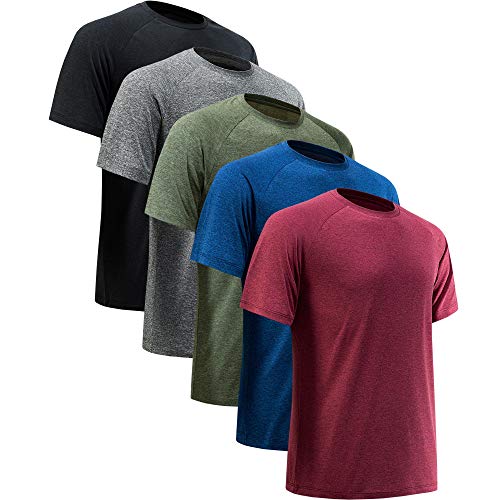
Moisture wicking shirts are made from synthetic fabrics like polyester and nylon that pull sweat away from your skin to the outer surface, where it evaporates quickly. This keeps you dry and comfortable during workouts by preventing sweat from soaking into the fabric.
If you have ever worked out in a cotton t-shirt, you know the feeling: it gets soaked, heavy, and clingy. Moisture wicking shirts are designed to solve that problem. They pull sweat away from your skin to the fabric’s surface, where it evaporates faster, keeping you drier and more comfortable. This article explains how they work, what fabrics to look for, and how to care for them.
How Moisture Wicking Works
Moisture wicking relies on capillary action. Tiny channels in the fabric draw liquid sweat away from your skin and spread it across a larger surface area. This increases evaporation rate, so you stay dry instead of feeling clammy. The fabrics are usually hydrophobic (water fearing) on the inside and hydrophilic (water loving) on the outside, creating a gradient that moves moisture outward.
Unlike cotton, which absorbs water and holds it, wicking fabrics do not absorb much moisture. They push water away from your body. This process works best when the shirt fits snugly but not tightly, allowing the fabric to stay in contact with your skin for efficient transfer.
Keep in mind that wicking does not make you sweat less; it just moves sweat away faster. If you are drenched, even a good wicking shirt may feel wet, but it will dry much quicker than cotton.
Common Fabrics for Moisture Wicking Shirts
Most moisture wicking shirts are made from synthetic fibers. Polyester is the most common because it is lightweight, durable, and inexpensive. Nylon is also used; it feels softer and is more breathable, but can hold odor more easily. Polyester blends often include spandex for stretch, giving a better fit and freedom of movement.
Some shirts use polypropylene, which wicks very well but can be less comfortable against the skin. Merino wool is a natural alternative that wicks moisture and resists odor, though it is heavier and pricier. Bamboo-derived rayon is another option, but its wicking performance varies and it may not dry as fast as synthetics.
Avoid 100% cotton for workouts. Cotton absorbs sweat, stays wet, and causes chafing. Some blends have a small percentage of cotton for comfort, but they will not wick as well as pure synthetics.
What to Look For When Buying
Check the label for fabric content. Look for at least 85% polyester or nylon, with the rest being elastane for stretch. Many brands add antimicrobial treatments to reduce odor, but these wash out over time. Flatlock seams reduce chafing, and a longer hem keeps the shirt tucked in during movement.
Fit matters. A slightly snug fit maximizes skin contact for wicking, but it should not be restrictive. If you prefer a looser feel, the wicking will still work but may be less efficient because the fabric might not stay in constant contact. Consider the activity: high intensity sports benefit from lightweight, thin fabrics; low intensity activities can use thicker, softer materials.
Look for ventilation details like mesh panels or strategic stitching. These allow extra airflow in hot spots. Also, darker colors hide sweat marks better, while lighter colors reflect heat.
How to Care for Moisture Wicking Shirts
Proper care extends the life and performance of wicking shirts. Wash them in cold water with a mild detergent. Avoid fabric softeners and dryer sheets; they coat the fibers and reduce wicking ability. Turn the shirt inside out to protect any prints or reflective elements.
Tumble dry on low heat or air dry. High heat can damage elastic fibers and shrink the fabric. If you use a dryer, remove the shirt while it is still slightly damp to prevent overheating. Do not iron; high heat melts synthetics.
To remove odors, soak the shirt in a mixture of white vinegar and water (1:4 ratio) for 30 minutes before washing. Alternatively, use a sports detergent designed for synthetic fabrics. Avoid bleach, which breaks down fibers.
When to Replace Your Moisture Wicking Shirt
Over time, wicking shirts lose their effectiveness. Signs include: the fabric feels rough or pilled; it no longer dries quickly; it holds onto odors even after washing; or it has stretched out and no longer fits snugly. Typically, a shirt lasts one to two years with regular use, depending on care and frequency.
If you notice that sweat stays on your skin longer or the shirt stays damp after a workout, it is probably time for a new one. Some people rotate several shirts to prolong their life. Always follow care instructions to get the most out of your gear.
Remember that even the best wicking shirt is not magic. It manages sweat, but if you are overheating, it will still feel wet. Pair it with breathable layers and stay hydrated for the best experience.
Frequently asked questions
Can I wear a moisture wicking shirt for casual use?
Yes, many moisture wicking shirts have a casual look and can be worn for everyday activities. However, they are designed for performance and may feel different from cotton against the skin.
Do moisture wicking shirts prevent odor?
They do not prevent odor but some have antimicrobial treatments that reduce bacteria growth. Washing regularly and using sport detergents helps control smell.
Are moisture wicking shirts better than cotton for hot weather?
Yes, they keep you drier and cooler by moving sweat away from your skin. Cotton absorbs sweat and becomes heavy, which can make you feel hotter.
How do I remove sweat stains from a moisture wicking shirt?
Pre treat stains with a paste of baking soda and water, then wash in cold water. Avoid hot water and bleach, which can set the stain or damage the fabric.
Looking to buy? See our Clothing guides for tested picks.