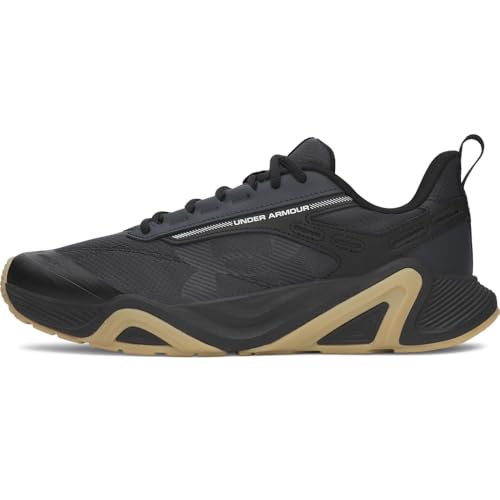
 Related pick
Minimalist shoes offer minimal cushioning and a low heel-to-toe drop, promoting natural foot movement and strength, while regular gym shoes provide more support and padding for impact absorption and stability. Your choice depends on your activity and personal comfort for injury prevention.
Choosing between minimalist shoes and regular gym shoes can feel overwhelming, especially with conflicting advice online. The right pair depends on your workout style, foot mechanics, and personal preference. This article cuts through the noise to help you make an informed decision based on science and practical experience.
What Are Minimalist Shoes?
Minimalist shoes, also called barefoot shoes, have very little cushioning, a thin sole, and a zero drop (the heel and toe are at the same height). They aim to mimic the natural shape and movement of the foot by allowing your toes to splay and your foot to flex as if you were barefoot. Many have a wide toe box and lack arch support or stability features.
The idea is that using your foot’s natural mechanics strengthens the muscles, tendons, and ligaments in your feet and lower legs. Over time, advocates argue this can reduce injury risk by encouraging a more efficient gait and better proprioception (awareness of foot position). However, transitioning to minimalist shoes requires a gradual adaptation period, especially if you’re used to heavily cushioned footwear.
What Are Regular Gym Shoes?
Regular gym shoes (training shoes, cross-trainers, or running sneakers) vary by brand and activity but generally feature thicker cushioning, a higher heel drop (typically 8-12mm), and more arch support. They are designed to absorb shock during high-impact activities like running or jumping, and provide lateral stability for weightlifting or agility work. Examples include classic training shoes from major athletic brands.
These shoes often have structured heel counters and medial posts to control overpronation (excessive inward rolling of the foot). This can be beneficial for people with flat feet or existing biomechanical issues. Most people are accustomed to wearing regular gym shoes, so they feel comfortable and supportive from the first wear, with no transition period needed.
Key Differences: Cushioning and Stability
The most obvious difference is cushioning. Minimalist shoes have minimal to no cushioning, forcing your foot to absorb impact through natural arch and muscle function. Regular gym shoes rely on foam and air or gel units to soften landings. For high-impact activities like running, extra cushion can reduce stress on joints, but it also dampens ground feedback, possibly leading to poorer running form.
Stability also differs. Regular gym shoes often include technologies like medial posts or wider bases to control foot motion. Minimalist shoes offer no such corrections; they rely on your foot’s own strength and stability. For weightlifting, a flat, hard sole (like in minimalist shoes) can improve power transfer and balance compared to the compressible foam of regular trainers.
Which One Is Better for Your Workout?
For weightlifting (squats, deadlifts), minimalist shoes excel. Their flat, non-compressible sole provides a stable base, and the lack of heel lift helps keep your torso upright. Many lifters also prefer them for Olympic lifts. For running, cushioned shoes are generally recommended for most beginners because they reduce impact stress. However, experienced runners with good form may benefit from minimalist shoes to reduce injury from repetitive heel striking.
For hybrid workouts like HIIT or CrossFit, a moderate approach works best. Many athletes use a “minimalist-inspired” training shoe with a low drop (4mm) and some cushioning, offering a middle ground. Listen to your body: if you experience pain or discomfort in minimalist shoes, you might need more support. The best shoe is the one that allows you to train pain-free and with good form.
How to Transition to Minimalist Shoes
If you decide to try minimalist shoes, do not switch overnight. Your feet and calves need time to adapt to the increased workload. Start by wearing them for short periods (10-15 minutes) during light activities, like walking or warm-ups, and gradually increase duration over several weeks. Pay attention to soreness in your Achilles, calves, or arches as signs to slow down.
Incorporate foot strengthening exercises such as toe curls, calf raises, and balance drills. Use minimalist shoes only for your intended activity initially (e.g., lifting) while using regular shoes for other workouts. Many people find it helpful to alternate between shoe types depending on the day’s training focus. Patience is key; full adaptation can take months.
If you have preexisting foot conditions like plantar fasciitis or bunions, consult a podiatrist or physical therapist before making the switch. Some individuals may never be suited for minimalist shoes, and that’s perfectly okay. The goal is to find what supports your long-term health and performance.
Frequently asked questions
Can I run in minimalist shoes?
Yes, but only after a gradual transition. Running in minimalist shoes requires stronger feet and a more forefoot or midfoot strike to avoid injury.
Are minimalist shoes better for flat feet?
Minimalist shoes can strengthen foot muscles over time, but they offer no arch support. Flat-footed individuals may need a slow transition and should consider a more supportive shoe if they experience pain.
Do I need to wear socks with minimalist shoes?
Many minimalist shoes are designed to be worn sockless, but socks can help with hygiene and prevent blisters during the break-in period.
How long do minimalist shoes last?
The lifespan varies by brand and use, but typically 300-500 miles. The thin soles wear out faster than regular gym shoes, so monitor for holes or loss of grip.
Looking to buy? See our Footwear guides for tested picks.