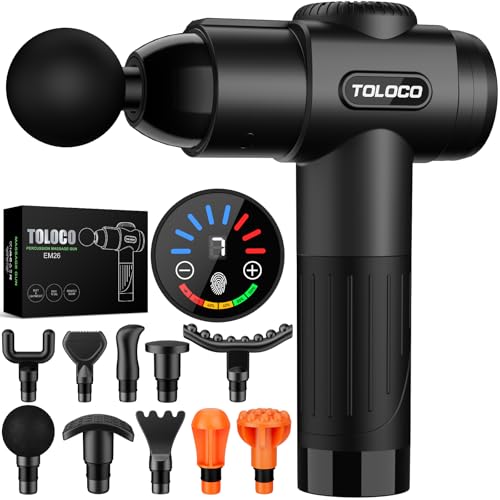
A massage gun uses percussive therapy to target muscle knots and tension, ideal for pre workout warm up or post exercise recovery. A TENS unit delivers electrical pulses to block pain signals and stimulate endorphin release, best for chronic pain or acute injury. Choose based on your pain type and goals.
If you are looking for relief from sore muscles or chronic pain, you have probably seen two popular devices: massage guns and TENS units. Both promise relaxation and recovery, but they work very differently. Understanding how each one works and which situations it suits will help you choose the right tool for your needs. Here is an honest look at massage guns versus TENS units so you can make an informed decision.
How a Massage Gun Works
A massage gun is a handheld device that delivers rapid, repeated percussive pressure into your muscles. It uses a motor to drive a padded attachment up and down, creating a tapping or thumping sensation. The idea is to mimic the effects of a deep tissue massage by getting blood flow moving, easing muscle tightness, and reducing knots.
Massage guns are often used before a workout to wake up muscles or after exercise to help with recovery. They can also be useful for loosening up stiff areas during the day. Many models come with different heads to target large muscle groups or smaller trigger points. The main benefit is that you can apply direct pressure exactly where you need it, and you control the intensity by changing speed or pressure.
However, massage guns are not for everyone. They should not be used over bones, joints, or injured areas with swelling or inflammation. They are best for muscular tension and soreness, not for nerve pain or deep chronic conditions.
How a TENS Unit Works
A TENS (Transcutaneous Electrical Nerve Stimulation) unit uses mild electrical currents delivered through sticky electrode pads placed on the skin. The electrical pulses stimulate nerve fibers, which can block pain signals from reaching the brain. It also encourages the body to release natural pain relievers like endorphins.
TENS units are commonly used for chronic back pain, arthritis, menstrual cramps, and post surgical pain. They are also helpful for acute injuries like a sprained ankle or strained muscle, as long as there is no open wound or broken skin. Many TENS devices let you adjust the pulse intensity, frequency, and pattern to find what feels best.
One key advantage of TENS is that it can be used while moving around, though the pads need to stay in place. Sessions usually last 20 to 30 minutes. TENS is not a cure, but it provides symptomatic relief and can reduce the need for pain medications. It is not recommended for people with pacemakers, epilepsy, or pregnant women (especially on the abdomen).
Key Differences Between Massage Guns and TENS Units
The main difference lies in the mechanism of action. A massage gun works mechanically by applying physical pressure and vibration to loosen muscle fibers and break up adhesions. A TENS unit works electrically by interfering with pain signals and triggering the body pain relief system.
Another difference is the sensation. Massage guns feel like a firm tapping or thumping, sometimes intense but not painful if used correctly. TENS units produce a tingling or buzzing feeling that can be adjusted from mild to strong. Some people find TENS more comfortable for sensitive areas, while others prefer the direct pressure of a massage gun.
When it comes to use cases, massage guns excel at treating muscle knots, soreness after a hard workout, and general muscle tightness. TENS units are better for nerve related pain, chronic conditions like fibromyalgia or sciatica, and acute injuries where you want to avoid direct pressure on the area. For example, a massage gun might help with a tight hamstring, while a TENS unit could ease the burning pain from a pinched nerve in the lower back.
When to Use a Massage Gun
Use a massage gun when you have muscle tension that feels like a knot or a tight band. It is great for loosening up before a workout or helping muscles relax afterward. If you spend hours sitting at a desk and feel stiff in your neck, shoulders, or hips, a few minutes with a massage gun can bring relief.
Massage guns are also helpful for improving range of motion. You can use them on your quads, calves, glutes, and back. Just move the device slowly over the muscle, spending extra time on spots that feel particularly tight. Keep the gun moving to avoid bruising. Avoid using it directly on the spine, knees, elbows, or other bony areas.
If you have a chronic condition like fibromyalgia or are recovering from an injury, check with a healthcare provider first. A massage gun can sometimes aggravate inflamed tissues. Listen to your body if it hurts, stop or reduce pressure.
When to Use a TENS Unit
Reach for a TENS unit when you have persistent pain that does not respond well to massage or stretching. It is especially useful for back pain, joint pain, and nerve related discomfort like sciatica or neuropathy. TENS can also help with muscle spasms by overriding the spasm signals with the electrical stimulation.
For acute injuries like a twisted ankle or a pulled muscle, TENS can provide pain relief without putting pressure on the area. Place the pads on the skin near the pain point, not directly over the injury site. You can usually feel the effect within a few minutes. Many people use TENS before physical therapy or exercise to allow movement with less pain.
It is important to follow the instructions for pad placement and duration. Do not use TENS while driving or sleeping. If the skin under the pads becomes red or irritated, take a break. TENS can be a great complement to other treatments like physical therapy or stretching, but it is not a substitute for medical advice if your pain is severe or unexplained.
Frequently asked questions
Can a massage gun or TENS unit help with chronic back pain?
Both can help but in different ways. A massage gun can relieve muscle tightness in the back, while a TENS unit is better for nerve related or deep chronic pain.
Is it safe to use a massage gun or TENS unit every day?
Yes, when used as directed. For massage guns, limit sessions to 15 minutes per area. TENS units are typically used for 20 to 30 minutes per session, and can be used multiple times a day.
Which device is better for post workout recovery?
A massage gun is usually better for post workout recovery because it targets muscle soreness and improves blood flow. TENS is more for pain relief rather than recovery.
Can I use a massage gun and a TENS unit together?
Yes, but not at the same time. You might use the massage gun after a workout and the TENS unit later for lingering pain. Space them out to avoid over stimulation.
Looking to buy? See our Massage Guns guides for tested picks.