 Related pick
To store exercise machines at home, clean and dry them first, then cover to protect from dust. Place in a dry, climate-controlled area away from moisture and extreme temperatures. For heavy items like treadmills, use a mat to protect floors and ensure stability. Disassemble if needed to save space, and keep all parts organized.
Exercise equipment can take up a lot of room, and if you don’t store it properly, it can get damaged or become a hazard. Whether you have a treadmill in the corner of your living room or a set of dumbbells in the garage, knowing how to store your fitness gear correctly will extend its life, keep your home safe, and make your workouts more enjoyable. This guide covers practical, honest advice for storing common exercise machines at home, with no fancy products or sales pitches.
General Storage Principles for Exercise Machines
Before you start rearranging your home gym, there are a few universal rules that apply to most exercise equipment. First, always clean your machines before storing them. Sweat, dust, and grime can corrode metal parts, degrade plastics, and attract pests. Use a damp cloth with mild soap to wipe down surfaces, and dry thoroughly with a towel. Pay special attention to handles, seats, and any parts that come into contact with skin.
Second, control the environment. Humidity and temperature swings are the enemies of electronics, lubricants, and structural integrity. Ideally, store machines in a climate-controlled room where temperatures stay between 60 and 75 degrees Fahrenheit and humidity levels are below 50 percent. Avoid basements, attics, or garages that experience extreme heat, cold, or dampness. If you must use a garage, invest in a dehumidifier and consider insulating the space.
Third, use floor protection. Heavy machines like treadmills and ellipticals can dent wood floors or crack tiles. Place a rubber mat, interlocking foam tiles, or a thick piece of carpet underneath. This also reduces noise and vibration, and prevents the machine from sliding during use. For lighter items like yoga mats or resistance bands, simple shelf storage is sufficient.
Storing Cardio Machines: Treadmills, Ellipticals, and Bikes
Treadmills are bulky and heavy, so they require careful placement and storage. Always store a treadmill with the deck in the folded position if your model allows. But don’t leave it folded for extended periods, as this can stress the hydraulic lift and belt. If you need to store it for weeks or months, lower the deck back down to relieve pressure. Disconnect the power cord and secure it with a twist tie or velcro strap to prevent tripping. Cover the console with a cloth to shield it from dust, and avoid placing anything on top of the machine.
Ellipticals are less foldable but can be moved on wheels if equipped. Tilt the machine back onto its transport wheels and roll it to your storage spot. Ensure the space is level to prevent wobbling, and lock the wheels if possible. For stationary bikes, remove the water bottle holder, pedals (if detachable), and any accessories. Clean the seat and handlebars with disinfectant wipes. If the bike has a screen or electronic display, unplug it and wrap the cable. Store bikes upright in a corner, or use a bike stand to keep them stable.
Rowing machines are generally easier to store. Many models fold vertically or can be separated into two halves. Follow the manufacturer’s instructions for disassembly. Store rowers upright in a closet or leaned against a wall, but ensure they won’t tip over. Use a bungee cord or strap to secure the rail to the frame if upright storage is wobbly. Always drain any water from water resistance tanks before long-term storage to prevent mold and leaks.
Storing Strength Equipment: Weight Benches, Dumbbells, and Barbells
Weight benches and power racks take up significant floor space. If you’re short on room, consider a folding weight bench that can be stored upright. For standard benches, store them flat or leaned against a wall, but make sure they won’t slide. Use rubber caps on the legs to protect floors. For barbell storage, a vertical barbell holder is ideal to keep bars upright and organized. If you don’t have one, lean barbells against a wall with the weight plates still on, but this can damage the bar and the wall. Better to store bars horizontally on a rack or in a corner with padding.
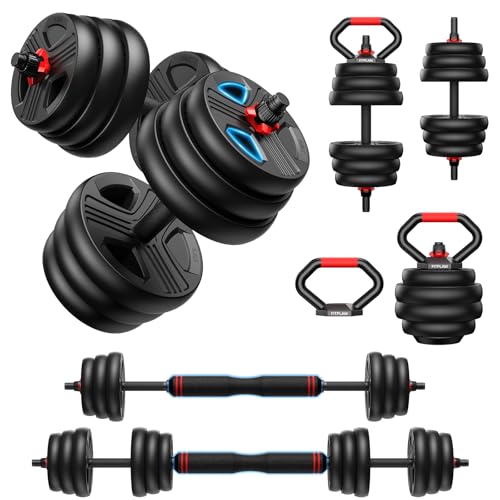
Dumbbells and kettlebells should be stored on a dedicated dumbbell rack or a sturdy shelf. Never pile them on the floor, as they can become tripping hazards and damage floor surfaces. Keep heavier weights on lower shelves to prevent tipping. If you have changeable dumbbell sets, store the weight plates and handles separately in a bin or on a tray. For adjustable dumbbells, make sure the locking mechanism is fully secured before storing. Clean rubber-coated weights with a mild cleaner to prevent stickiness.
Storing Small Fitness Accessories: Bands, Mats, and Foam Rollers
Resistance bands are inexpensive but can degrade quickly if not stored properly. Keep them away from direct sunlight, which breaks down the latex over time. Store bands in a drawer or opaque container, coiled loosely to prevent kinks. Never hang bands over hooks, as gravity can stretch them out. Similarly, yoga mats should be rolled loosely and stored in a cool, dark place. Avoid folding mats, as creases can become permanent. Use a mat strap or a simple rubber band to keep them rolled.
Foam rollers can be stored standing upright in a corner or laid flat on a shelf. If you have multiple, stack them in a bin or use a vertical holder. Jump ropes should be coiled and hung on a hook or placed in a drawer. For balance balls, deflate them if you need to save space, but be aware that repeated inflation and deflation can weaken the valve. Instead, keep them inflated and use a ball rack or store them in a corner. Keep all small accessories in a designated bin, basket, or drawer to prevent clutter.
Seasonal Storage and Long-Term Care Tips
If you plan to store exercise machines for several months, such as over winter for outdoor equipment or during a move, take extra steps. Lubricate moving parts like chains, belts, and pivots according to the manufacturer’s schedule. This prevents rust and sticking. For battery-operated machines, remove the batteries to avoid corrosion. For electronics, unplug them completely and check for any firmware updates before storage.
Cover all machines with a breathable fabric cover, not plastic, which can trap moisture. You can use old bedsheets or specific equipment covers. Label cords and accessories with masking tape and a marker so you know what goes where. If you store in a garage or shed, raise machines off the concrete floor using pallets or plywood to avoid moisture wicking. Inspect equipment periodically, even in storage, to catch any issues early. Finally, never store machines near chemicals, paint, or solvents, as fumes can damage plastics and electronics.
Frequently asked questions
Is it okay to store a treadmill in the garage?
Storing a treadmill in the garage is not ideal due to temperature and humidity fluctuations. If you have no other option, use a dehumidifier, keep it clean and covered, and ensure the garage is well-insulated.
Should I cover my exercise bike when not in use?
Yes, covering your exercise bike protects it from dust and sunlight. Use a breathable fabric cover to prevent moisture buildup, especially in humid environments.
How do I store resistance bands to make them last longer?
Store resistance bands in a cool, dark place away from direct sunlight. Coil them loosely and place in a drawer or opaque container to prevent stretching and material breakdown.
Can I store my weight bench upright?
Yes, many weight benches can be stored upright if space is tight. Ensure the bench is stable and won't tip over, and use rubber caps on the legs to protect floors.
Looking to buy? See our Exercise Machines guides for tested picks.