 Related pick
Cordless heating pads offer portability and freedom of movement but have limited battery life and lower heat output. Plug-in pads provide consistent, adjustable heat and unlimited use but restrict movement. Choose cordless for on-the-go relief or plug-in for home use where steady heat is needed.
Heating pads are a go-to for muscle relief, cramps, and chronic pain. But when you start shopping, the first big choice is cordless vs plug in. Each has clear trade-offs in portability, heat consistency, battery life, and cost. This guide breaks down the key differences with honest, practical advice to help you pick the right one for your needs.
Portability and convenience
Cordless heating pads are designed for mobility. They run on rechargeable batteries, so you can use them while walking, working at a desk, or even commuting. No cord means you can wrap it around a shoulder or lower back without being tethered to an outlet. This makes them ideal for active relief during the day.
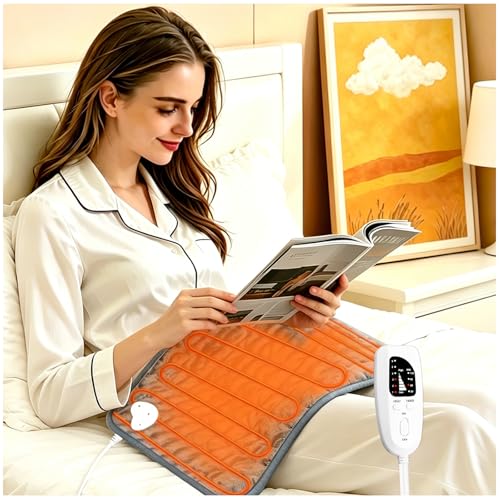
Plug in heating pads, on the other hand, require a nearby electrical outlet. The cord can be restrictive, especially if you need to move around or use the pad in a chair or bed far from a socket. However, many plug in pads have extra long cords (6 to 10 feet) to give some flexibility.
If you need heat on the go or at various locations, cordless wins. For stationary use at home, the cord is a minor trade off for other benefits.
Heat performance and consistency
Plug in heating pads deliver steady, consistent heat for as long as you want. They plug into a wall outlet, so power is unlimited. Most models have multiple heat settings (low, medium, high) and can maintain a specific temperature without fading. This is crucial for deep muscle relaxation or chronic pain management where sustained heat is needed.
Cordless pads rely on battery power. As the battery drains, heat output can decrease, especially on high settings. Battery life typically ranges from 1 to 6 hours depending on the model and heat level. On the highest setting, you might get only 1 to 2 hours. Lower settings extend usage but offer less intense heat. Some cordless pads use lithium ion batteries that can be recharged, but you need to plan ahead.
For consistent, long duration heat therapy, plug in pads are superior. Cordless pads are better for shorter sessions or when mobility is a priority.
Safety considerations
Both types have safety features, but there are key differences. Plug in heating pads typically have auto off timers (often 2 hours) and overheat protection. They also carry a higher risk of electrical hazards if the cord is damaged or used near water. Always follow manufacturer instructions.
Cordless heating pads avoid electrical cords near water, making them safer for use in bathrooms or outdoors. However, they still have risk of burns if left on high for too long. Many cordless pads also have auto shutoff timers. Battery safety is generally reliable, but cheap batteries can overheat or swell. Stick with reputable brands.
Neither type should be used while sleeping, regardless of safety claims. For absolute safety with children or pets, cordless pads remove tripping hazards.
Cost and durability
Plug in heating pads are generally more affordable upfront. Basic models cost less than cordless counterparts because they lack battery and charging circuitry. They also tend to last longer since batteries degrade over time. A quality plug in pad can last years with proper care.
Cordless heating pads cost more due to battery technology. Over time, battery capacity diminishes, and the pad may need replacement sooner. Some models have replaceable batteries, which can extend lifespan but add cost. The convenience of cordless comes at a premium.
If budget is a concern and you mostly use heat at home, a plug in pad offers better value. Cordless is a higher investment for the freedom of movement.
Best use cases for each type
Choose a cordless heating pad if you: need relief at work, while traveling, or outdoors; want to move around while using it; have limited access to electrical outlets; or prefer a safer option for bathrooms or around water. Cordless is great for menstrual cramps when you need to go about your day.
Choose a plug in heating pad if you: use heat for long sessions (over an hour); need consistent high heat for deep muscle relaxation; use it primarily in one spot like a couch or bed; want maximum durability and lower cost; or don’t want to worry about charging batteries. Plug in pads are better for chronic back pain or post workout recovery at home.
Some people own both: a cordless for on the go and a plug in for home. Assess your lifestyle and prioritize what matters most.
Frequently asked questions
Can cordless heating pads get as hot as plug in ones?
Generally no. Cordless pads have lower maximum temperatures to conserve battery life, typically reaching around 120-130°F. Plug in pads can often reach 140-150°F and maintain heat more consistently.
How long does a cordless heating pad battery last?
Battery life ranges from 1 to 6 hours depending on heat setting and model. High heat drains faster (1-2 hours), while low heat can last 4-6 hours. Recharging typically takes 2-4 hours.
Are plug in heating pads safe to use overnight?
No, it is not recommended to leave any heating pad on while sleeping. Most plug in pads have auto shutoff timers, but the risk of burns or fire is still present. Always follow safety instructions.
Can I use a cordless heating pad while charging?
Some models allow use while plugged in, but this turns it into a plug in pad with cord. Check the product specs. Most cordless pads are designed for battery only use to maintain portability.
Looking to buy? See our Balance Recovery guides for tested picks.