 Related pick
Store workout equipment at home by designating a dedicated space, using vertical storage for weights and mats, hanging resistance bands and jump ropes, keeping yoga mats rolled and clean, and organizing small items in bins. Ensure equipment is dry before storing to prevent mold and damage.
Keeping your home workout gear organized can make the difference between a consistent fitness routine and a cluttered mess that makes you skip a session. Whether you have a home gym setup or just a few pieces of equipment scattered around, smart storage solutions help protect your investment and keep your space functional. This guide covers practical, proven ways to store common home workout equipment so your gear lasts longer and your space stays tidy.
Designate a Dedicated Workout Zone
The first step in organizing workout equipment is to choose a specific area for exercise. It doesn’t have to be a whole room a corner of the living room, a section of the garage, or even a closet can work. Having a designated zone prevents gear from spreading throughout the house and makes it easier to keep track of everything. For small spaces, consider a rolling cart or a storage ottoman that can hold dumbbells and bands while doubling as seating.
If you have multiple types of equipment, group similar items together. For example, keep all yoga and stretching gear in one bin, strength training tools in another. This way, you can grab what you need without digging through unrelated items. A designated zone also helps maintain hygiene you can keep mats and foam rollers away from high traffic areas to reduce dust and dirt buildup.
Use Vertical Storage for Weights and Barbells
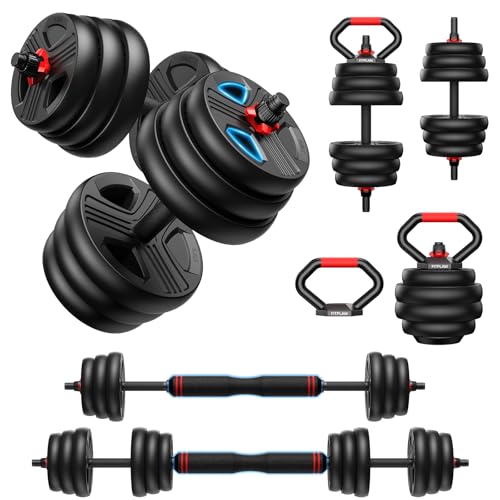
Heavy items like dumbbells, kettlebells, and barbells take up floor space quickly. Wall mounted racks or vertical stands are excellent for storing these items off the floor. For adjustable dumbbells, keep the base unit and plates together on a sturdy shelf. Weight plates can be stored on vertical plate trees which are compact and allow easy access. Always ensure that weight racks are anchored to the wall if they are tall or top heavy to prevent tipping.
For barbells, use a horizontal rack or a vertical holder that keeps the bar upright. Avoid leaning barbells against walls as this can damage both the bar and the wall. If you do not have a rack, store barbells on a rubber mat on the floor away from moisture. For resistance bands and jump ropes, install hooks or pegs on the wall to hang them neatly. This keeps them tangle free and easy to grab.
Store Yoga Mats and Foam Rollers Properly
Yoga mats can be stored rolled up in a corner or hung on a rack. Avoid folding them as creases can damage the material over time. Use a mat strap or a simple hook to hang the mat on the wall. For foam rollers, store them vertically in a bin or on a shelf. If you have limited space, some foam rollers come with hanging straps. Keep mats and rollers away from direct sunlight to prevent degradation of the material.
Clean your mat and foam roller regularly with a gentle cleaner and let them dry fully before storing. Moisture can lead to mildew and odors. If you use a mat for sweaty workouts, consider rolling it with the top side out so it can air out. For an extra tidy look, use a decorative basket or a tall container to keep rolls upright and accessible.
Organize Small Accessories in Bins and Drawers
Small items like resistance bands, jump ropes, grip pads, and heart rate monitors can easily get lost. Use clear plastic bins, drawer organizers, or labeled containers to keep them sorted. For resistance bands, store them in a small box or hang them on a pegboard by color or resistance level. Jump ropes can be coiled and placed in a drawer or hung on a hook. Keep a dedicated spot for these accessories so they do not end up in random drawers.
If you have a pegboard wall, use hooks and small baskets to hold accessories. This keeps them visible and easy to grab. For electronics like fitness trackers or headphones, use a small tray or pouch to protect them from dust and damage. Labeling bins can help everyone in the household know where items belong, making cleanup faster.
Maintain Equipment and Rotate Seasonal Gear
Proper storage is not just about putting things away it is also about maintenance. Wipe down weights and bars after use to remove sweat and oils that can cause rust. Check resistance bands for signs of wear and replace them if they become brittle. Store everything in a dry, climate controlled area to prevent moisture damage. For seasonal gear like a jump rope used for outdoor workouts in summer, rotate it indoors during winter to extend its life.
Review your equipment every few months. If you have not used something in a while, consider donating or selling it to free up space. Rotating gear keeps your workout area fresh and ensures you are only storing items you actually use. A well maintained setup motivates you to exercise more and makes your home gym a place you want to be.
Frequently asked questions
How should I store resistance bands so they don't tangle?
Store resistance bands by hanging them on a hook or pegboard, or by placing them in a small bin with dividers. Avoid tossing them loosely in a drawer where they can tangle.
Can I store yoga mats in a garage?
It is not ideal because garages can have temperature extremes and moisture that damage mats. If you must, use a sealed container and keep the mat away from chemicals and direct sunlight.
What is the best way to store dumbbells to save space?
Use a vertical dumbbell rack or a wall mounted shelf designed for weights. This keeps them off the floor and organized by weight for easy access.
How often should I clean my workout equipment?
Wipe down after each use with a damp cloth or mild cleaner. Deep clean mats and foam rollers weekly, and inspect other gear monthly for wear and tear.
Looking to buy? See our Strength Training guides for tested picks.