 Related pick
To make a quiet home gym, choose equipment like rubber dumbbells, resistance bands, and a rower instead of a treadmill. Use thick rubber flooring mats, hang heavy curtains, and add acoustic panels. Position large equipment on vibration-absorbing pads. Keep weights secure and lubricate moving parts to minimize squeaks.
Building a home gym is convenient, but noise can be a problem if you share walls or have neighbors nearby. The good news is that you can create a highly effective workout space that won’t disturb others. This guide covers smart equipment choices, floor protection, and sound-dampening strategies to keep your home gym quiet.
1. Choose Quiet Exercise Equipment
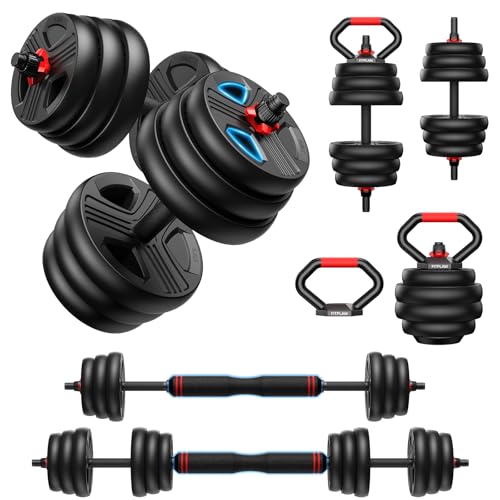
The biggest factor in noise reduction is selecting the right gear. Avoid loud equipment like heavy barbells that clang or treadmills with loud motors. Instead, opt for rubber-covered dumbbells and kettlebells. Resistance bands, suspension trainers, and medicine balls are virtually silent. For cardio, consider a rowing machine or an air bike, as they produce less impact noise than treadmills.
If you must have a barbell, use bumper plates with rubber coating. For squats and deadlifts, invest in a deadlift platform with rubber mats to absorb the impact. Always set weights down gently. Even quiet equipment can be noisy if dropped. Practice controlled movements, and use weight storage racks that are padded or have rubber inserts to prevent clanking.
For machines, look for ones with belt drive systems rather than chain drive. Belt drives are much quieter and require less maintenance. Also, check that all moving parts are well-lubricated to avoid squeaks. Some equipment like plyo boxes can be noisy; choose ones with a foam or rubber surface. Vibration from machines can transmit through floors, so place machines on rubber mats.
2. Install Proper Flooring to Dampen Sound
Flooring is your first line of defense against noise transmission. Hard surfaces like concrete or wood amplify sound. Install thick rubber gym mats that are at least 3/8 inch thick. These mats absorb impact and reduce vibration. For heavy weightlifting areas, use interlocking foam tiles or horse stall mats, which are dense and durable. Entire coverage is best, but even a large mat under your equipment helps.
If you have an upstairs gym, add a layer of mass-loaded vinyl under the mats. This material blocks sound from traveling to the room below. Another trick is to build a floating floor: place a layer of plywood over foam underlayment, then your mats on top. This separates the floor from the subfloor, reducing vibration transfer.
Don’t forget the walls and ceiling. If noise travels through walls, consider adding acoustic panels or heavy curtains. For rooms with drywall, filling empty space with insulation helps. Even simple things like placing a rug under your mat can further dampen sound. The goal is to create a barrier that absorbs both impact and airborne noise.
3. Manage Impact and Vibration with Equipment Pads
Even with good flooring, heavy equipment can vibrate through the floor. Use vibration-absorbing pads under each machine or bench. These are typically made of rubber or neoprene and isolate the equipment from the floor. For treadmills or ellipticals, manufacturer pads are available, but generic anti-vibration pads work too.
For weight equipment, place padding under the plates on barbells to prevent metal-on-metal contact when racking weights. Foam collars or rubber grommets can quiet the clatter. Also, consider using a lifting belt with a quiet buckle, or avoid dropping the belt on the floor. Every small action adds up.
If you do jump training, use a crash mat or soft box. Plyometric exercises can be loud; swapping high-impact moves for low-impact ones like step-ups or box step-overs can help. Alternatively, do plyometrics on a padded surface. Remember that vibrations can travel through the frame of equipment, so tighten all bolts and add rubber washers where possible.
4. Soundproof the Room Itself
Beyond equipment and flooring, treat the room acoustics. Sound waves bounce off hard walls and ceilings. Add acoustic foam panels to walls, especially near equipment. These absorb sound rather than reflecting it. Heavy drapes or curtains over windows also help dampen noise. For doors, use a door draft stopper to seal gaps. Weatherstripping around the door frame prevents sound leaks.
If you have a dedicated room, consider adding mass to the walls by hanging moving blankets or soundproofing blankets. These are inexpensive and effective. Another option is bookshelves filled with items against shared walls; the mass helps block sound. For the ceiling, install acoustic tiles or drop ceiling panels if possible.
Don’t overlook rattling objects. Secure all loose items like pictures, shelves, or wall decor that might vibrate. Even a loose light fixture can create noise. Use rubber pads or felt pads under any furniture that might shift. The quieter the room itself, the less sound will escape to other areas.
5. Adjust Your Workout Routine and Etiquette
Finally, your habits make a big difference. Schedule workouts during times when neighbors are less sensitive to noise. Avoid early mornings or late evenings if possible. Inform neighbors about your home gym and ask about acceptable times. Being considerate goes a long way.
During workouts, control your movements. Don’t drop weights even if you have mats. Set them down gently. For high-impact exercises like jump squats, land softly with bent knees. Use a towel or mat to cushion any drops. If using a speed rope, choose a silent jump rope made of beads or a lightweight material that doesn’t bang on the floor.
Lubricate moving parts on equipment regularly to prevent squeaking. Keep equipment clean and well-maintained. For cardio, wear headphones so you don’t need a loud speaker. Consider using a noise meter app to check the decibel level; staying under 50 decibels in adjacent rooms is ideal. Small changes in technique and timing can make your home gym a peaceful haven for both you and your neighbors.
Frequently asked questions
What is the quietest home gym equipment?
Resistance bands, suspension trainers, and rubber-coated dumbbells are among the quietest. For cardio, rowing machines and air bikes produce less noise than treadmills. Always set weights down gently to minimize sound.
Can I make a quiet home gym on a second floor?
Yes, with proper flooring and vibration pads. Use thick rubber mats over a layer of mass-loaded vinyl. Place equipment on anti-vibration pads and avoid dropping weights. Inform neighbors and work out during reasonable hours.
How can I soundproof my home gym floor?
Install dense rubber gym mats (at least 3/8 inch thick) over a subfloor. Use a floating floor system with plywood and foam underlayment. Mass-loaded vinyl under the mats blocks sound from traveling downstairs.
Do acoustic panels really help reduce gym noise?
Yes, acoustic panels absorb sound waves and reduce echo within the room. They help contain noise but may not block all sound transmission through walls. For better isolation, combine panels with heavy curtains and door seals.
Looking to buy? See our Strength Training guides for tested picks.