 Related pick
To build a home gym in a small space, start by measuring your area and focusing on multi-use gear like adjustable dumbbells, a resistance band set, and a foldable bench. Prioritize vertical storage and anchor points for suspension trainers. Choose exercises that require minimal floor space and rotate equipment to fit your session.
Living in a compact apartment or house doesn’t mean you have to skip your workouts. With a smart approach to equipment, storage, and programming, you can create a home gym that delivers results without taking over your living room. This guide covers the practical steps to design a functional, space efficient setup that fits your fitness goals and your home. No fluff, no sales talk just honest advice from a training perspective.
1. Measure your space and set realistic expectations
Before you buy anything, grab a tape measure and mark the area you can dedicate to workouts. A corner of the bedroom, a section of the living room, or even a larger closet can work. The key is to know the exact dimensions, including ceiling height, so you can buy equipment that fits. For most bodyweight and dumbbell exercises, a 6×6 foot area is enough. For a yoga mat or floor work, 4×6 feet works. Write down the measurements and keep them handy when shopping.
Be honest about how much space you can free up. If you need to pack gear away after each session, plan for easy storage. Measure doorways and hallways to ensure any larger items like a foldable bench or treadmill can actually get into the room. Remember: a home gym that feels cramped will discourage you from using it. So prioritize open floor area over cramming in too many machines.
2. Choose multi purpose equipment that earns its spot
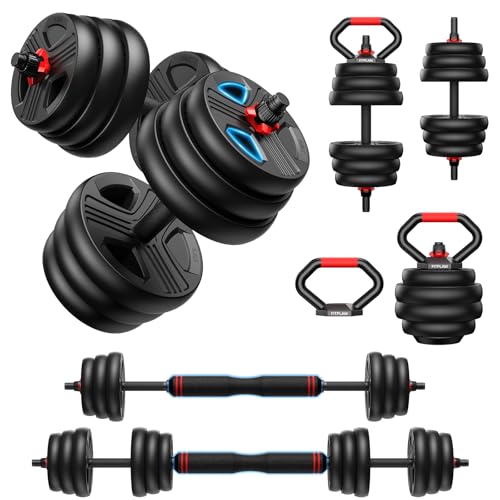
Every piece of gear in a small space should serve at least two functions. Adjustable dumbbells are a prime example they replace an entire rack of fixed dumbbells and let you go from 5 to 50+ pounds with a quick twist. A set of resistance bands with different tensions can replicate cable exercises, add load to bodyweight moves, and take up almost no space. A foldable workout bench that stores flat or hangs on the wall is another smart choice.
Consider a doorway pull up bar with multiple grip positions. It also allows for hanging ab straps or a suspension trainer. A jump rope is an incredible cardio tool that fits in a drawer. For floor work, a thick exercise mat (at least half inch) protects floors and joints. Avoid gimmicky equipment that only does one thing, like a single purpose ab machine. Stick to the basics that allow progressive overload: dumbbells, bands, a bench, and your own bodyweight are enough for years of solid training.
3. Use vertical space for storage and organization
When floor space is limited, look up. Wall mounted racks, pegboards, and hooks can hold bands, jump ropes, mats, and even collapsible benches. A simple shelving unit or cabinet with bins keeps small items like ankle weights, foam rollers, and grip accessories tidy. If you have a door, use an over the door organizer for bands, straps, and light gear.
Think about a vertical dumbbell stand that holds adjustable dumbbells and has slots for barbell collars or kettlebells. For yoga mats, roll them and store in a tall basket or hang them on a hook. Keep often used items accessible and store seasonal or less used gear in bins under the bed or on high shelves. A dedicated ‘gym corner’ with a small rug or mat can visually separate the space from the rest of the room, helping you mentally switch into workout mode.
4. Design your workout to fit the space
Once your equipment is set, plan routines that respect your floor plan. For a small area, focus on exercises that don’t require much lateral movement: squats, lunges (in place), push ups, rows with bands, overhead presses, and core work. Use a suspension trainer for rows, chest presses, and leg curls while keeping your footprint small. For cardio, do high knees, burpees, mountain climbers, and jump rope instead of treadmills or stationary bikes that take up room.
Program in circuits that move quickly from one exercise to the next, using the same piece of gear. For example, a dumbbell circuit: goblet squats, bent over rows, shoulder press, and Romanian deadlifts. That’s four exercises with one tool. If you have a bench, add Bulgarian split squats and hip thrusts. The key is to maximize the use of each equipment piece within a session, so you’re not constantly switching or moving gear around. Keep a whiteboard or app with your workouts to stay focused.
5. Maintain a minimalist mindset for long term success
A small home gym works best when you resist the urge to accumulate more gear. Every time you consider a new purchase, ask yourself: does it replace something else? Will it fit in my storage? Will I actually use it weekly? The best small space gyms are lean and intentionally curated. Start with the core items listed earlier and only add if you hit a plateau that a specific tool can address.
Keep your space clean and uncluttered after each workout. Wipe down mats, hang up bands, and return dumbbells to their stand. A tidy area invites use and prevents injury from tripping over stray equipment. Finally, remember that consistency beats novelty. You don’t need a huge gym to get strong, lean, or fit. With a smart layout and smart programming, a corner of your home can deliver results that rival any commercial gym.
Frequently asked questions
What is the single most important piece of equipment for a small home gym?
Adjustable dumbbells. They replace an entire rack of fixed weights, allow progressive overload, and take up minimal space. A good pair ranges from 5 to 50 pounds or more.
Can I get a good workout without any equipment?
Yes, bodyweight exercises like push ups, squats, lunges, planks, and burpees are highly effective. Add resistance bands or a suspension trainer for more variety without adding bulk.
How do I store a folding bench in a small apartment?
Look for benches that fold flat and have a wall mount or can slide under a bed. Some models hang on hooks or sit vertically in a corner. Measure clearance before buying.
Is a treadmill or stationary bike recommended for a small space?
Only if you have dedicated floor space and will use it consistently. Alternatives like a jump rope, stair step (using a sturdy box), or HIIT bodyweight circuits provide effective cardio without the footprint.
Looking to buy? See our Strength Training guides for tested picks.