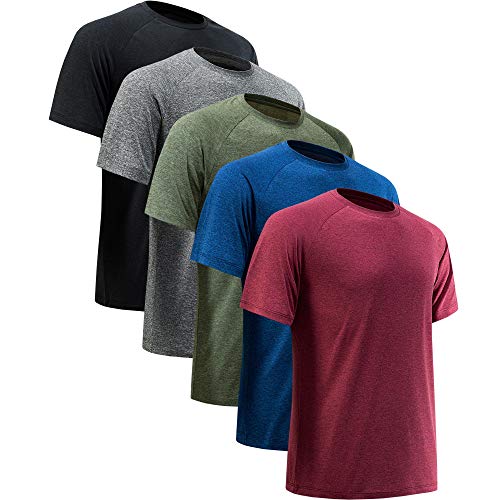
 Related pick
Wash workout clothes after every use if you sweat heavily or do high-intensity training. For light activity with minimal sweat, you can wear them 2-3 times before washing, but always air them out immediately after exercise to prevent bacteria growth.
Knowing how often to wash your workout clothes is key to keeping them fresh, functional, and long lasting. The right frequency depends on how much you sweat, the type of fabric, and your activity level. This guide gives you practical, expert backed advice so you can care for your gear without wasting water or wearing smelly clothes.
Why washing frequency matters
Your workout clothes are breeding grounds for bacteria. When you sweat, moisture and warmth create the perfect environment for microbes to multiply. If you don’t wash them often enough, bacteria buildup leads to stubborn odors that don’t come out easily. Over time, it can also break down elastic fibers, making your leggings and sports bras lose their shape.
On the flip side, washing too often wears out fabrics faster. Detergent and machine agitation slowly degrade spandex, polyester, and nylon blends. Finding the right balance saves you money and keeps your gear performing well. Plus, proper care helps prevent skin irritation from trapped bacteria or residual detergent.
For most people, the sweet spot is washing after every heavy sweat session, and stretching the number of wears when the workout is light or short. The next sections break it down by activity and fabric type.
How often based on activity intensity
High intensity workouts like running, HIIT, spin class, or hot yoga produce a lot of sweat. These clothes should be washed after every single use. The same goes for any activity where you get your gear soaking wet. Even if you don’t notice a smell, bacteria are already multiplying. Waiting to wash risks setting in odors that won’t come out with a normal cycle.
Low intensity activities such as walking, gentle stretching, or light yoga where you stay dry can go 2 to 3 wears before washing. Use your senses: if the shirt smells musty when you take it off, or if it feels damp, it’s time to wash. Always hang your gear to dry right after use; never leave it balled up in a bag. Air circulation reduces bacterial growth and helps fabrics last longer between washes.
Swimwear is a different category. Rinse it in cold water immediately after each use to remove chlorine or salt. Wash with a gentle detergent after every 3 to 4 wears, or sooner if it starts to smell.
Fabric considerations: synthetic vs. cotton
Synthetic fabrics like polyester, nylon, and spandex are moisture wicking but trap oils and bacteria more than natural fibers. They require more frequent washing because smells cling to them. Wash synthetics after every workout that leaves you sweaty. Use a sports detergent that targets odor causing bacteria, or add a cup of white vinegar to the rinse cycle to neutralize smells. Avoid fabric softener; it coats the fibers and reduces wicking ability.
Cotton workout clothes are more forgiving because they don’t hold onto bacteria as aggressively. They can be worn a few times if the activity is light and you don’t sweat much. But cotton absorbs sweat and stays wet, which can lead to chafing and odor if not washed promptly. For heavy workouts, treat cotton the same as synthetics: wash after one use.
Merino wool is naturally antimicrobial and can be worn multiple times before washing, even after moderate sweating. It resists odors well, so many athletes wear merino base layers for 3 to 5 uses before a wash. But always let it air out fully between wears.
Best practices for washing and drying
Turn your workout clothes inside out before washing. This protects the outer surface and helps detergent reach the sweaty side. Use cold water to prevent shrinkage and color fading, and choose a gentle cycle if your machine has one. Avoid overloading the washer; clothes need room to move so detergent can do its job.
Skip the dryer whenever possible. High heat damages elastic fibers, so hang your gear to dry or use a low heat setting. Drying in direct sunlight can help bleach stains and kill bacteria naturally. If you must use a dryer, remove clothes while they are still slightly damp and let them air finish to reduce heat exposure.
For stubborn odors, pretreat with a baking soda paste or soak in a vinegar and water solution before washing. Never use bleach on synthetic fabrics; it breaks down spandex. Instead, look for enzyme based stain removers or oxygen bleach alternatives.
Signs it's time to replace your gear
Even with perfect washing habits, workout clothes don’t last forever. The average lifespan is 6 to 12 months for items worn multiple times per week. When the elastic starts to show through, the fabric feels thin or baggy, or the waistband no longer stays in place, it’s time to shop for replacements. If you still have smell after washing, the bacteria may have permanently bonded to the fibers. That’s a clear sign to retire that piece.
Sports bras lose support as elastic degrades. If the band rides up or the straps dig in, it’s likely worn out. Leggings become see through when stretched; that means the fabric is thinning. Keeping a rotation of 3 or 4 sets of workout clothes can extend the life of each item by giving fibers time to recover between workouts. And always wash in cold water on a gentle cycle to slow down wear and tear.
Frequently asked questions
Can I wear workout clothes twice before washing?
Yes, if the workout was low intensity and you didn't sweat much, and you air them out completely after use. For heavy sweat sessions, wash after one wear to prevent bacteria buildup.
Does putting workout clothes in the dryer kill bacteria?
Drying on high heat can kill some bacteria, but it's hard on fabrics. Better to wash with hot water or use a sanitizing detergent, then dry on low or air dry to preserve elasticity.
How do I get the smell out of workout clothes?
Soak them in a mixture of white vinegar and water (1:4 ratio) for 30 minutes before washing, or use a sports specific detergent with enzymes. Avoid fabric softener, which traps odors.
Should I wash new workout clothes before wearing them?
Yes, always wash new workout clothes before use. Manufacturing chemicals and dyes can irritate skin, and washing removes any residue and pre shrinks the fabric.
Looking to buy? See our Clothing guides for tested picks.