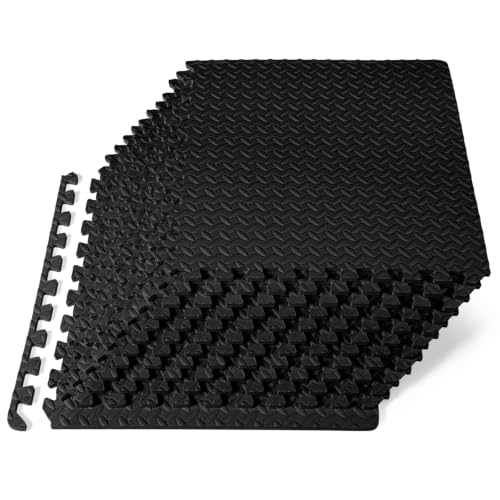
Choose home gym flooring based on your workout type and budget. Rubber mats offer durability for heavy weights, foam tiles provide cushioning for bodyweight exercises, and carpet is budget friendly but less protective. Prioritize thickness and ease of cleaning.
Setting up a home gym is an exciting step toward a consistent fitness routine. But before you load up on weights or unroll your yoga mat, think about what lies beneath your feet. The right flooring protects your equipment, your joints, and your floors, plus it dampens noise and feels good to workout on. This guide breaks down the key factors and options so you can choose wisely.
Why Flooring Matters More Than You Think
Your flooring is the foundation of your home gym, literally and figuratively. It absorbs impact, reduces noise, protects your subfloor from damage, and provides traction. If you drop a heavy dumbbell on bare concrete, you risk cracking both. Hard floors also transmit shock to your joints during high impact moves like jumping jacks or burpees. Proper flooring can prevent injuries and keep your workouts comfortable.
Think about the type of exercises you do most. Lifting heavy weights requires durable, thick mats. Yoga or stretching needs a softer, grippy surface. Cardio and HIIT benefit from shock absorbing tiles. Your choice also depends on whether your gym is in a basement, garage, or spare room. Each environment has different moisture and temperature considerations.
Investing in quality flooring early can save you money on repairs and replacements later. It also makes your space look intentional and inviting, which helps you stay motivated. Now let’s explore the most common options.
Rubber Flooring: The Heavy Lifter
Rubber is the gold standard for home gyms, especially if you lift weights or drop equipment regularly. It comes in rolls, tiles, or interlocking mats. Rolled rubber (like stall mats from farm supply stores) is dense, affordable, and covers large areas seamlessly. Tiles are easier to install and replace if damaged. Rubber absorbs impact exceptionally well and reduces noise significantly.
Look for recycled rubber or virgin rubber with minimal odor. Some rubber mats have a slight smell initially but it fades. Thickness matters: 3/8 inch works for moderate use, but if you deadlift or Olympic lift, go for 1/2 inch or thicker. Rubber also provides excellent traction, even when wet. The main downsides are weight (heavy to move) and cost (more expensive than foam or carpet). Install it over a smooth, clean subfloor for best results.
One tip: rubber mats vary in quality. Cheap ones may crumble or emit strong fumes. Choose reputable brands like Rubber-Cal or Gorilla Mats. For most home gyms, rubber offers the best balance of protection and durability.
Foam Tiles: Comfort for Bodyweight Workouts
Foam interlocking tiles are popular for yoga, pilates, stretching, and light cardio. They are soft, cushiony, and easy to install yourself. Foam tiles are usually 1/2 to 1 inch thick and come in various colors, so you can customize your space. They reduce joint impact and are comfortable to lie on.
However, foam is not suitable for heavy weights or dropped dumbbells. Sharp edges or heavy loads can dent or tear the tiles. Foam also compresses over time, especially under heavy equipment like squat racks. If you plan to do any weightlifting, consider putting rubber mats under your gear. Foam is best for low impact activities and as a top layer over another flooring type.
Cleaning foam tiles is simple: sweep or vacuum, then wipe with a mild cleaner. Avoid harsh chemicals that degrade foam. If you have pets, their claws can scratch foam. Overall, foam tiles are a budget friendly choice for light use but have limited durability for serious gyms.
Other Options: Carpet, Vinyl, and Concrete
Carpet is the cheapest option but not ideal for most workouts. It absorbs sweat and dirt, becomes smelly, and provides little impact protection. Heavy equipment can flatten carpet fibers and compress padding. If you already have carpet, lay down a protective mat or replace it.
Vinyl or luxury vinyl plank (LVP) is durable and waterproof, making it a good choice for basement gyms. It resists scratches and is easy to clean. However, vinyl offers minimal shock absorption, so you will need separate mats for heavy lifting or floor exercises. It can also become slippery when wet.
Concrete is the most common subfloor in garages and basements. It is extremely durable but very hard on joints and equipment. Dropping weights on bare concrete can cause chips and cracks. Always cover concrete with rubber or foam mats. Seal the concrete first to prevent dust and moisture issues. For basement gyms, consider a subfloor system that creates an air gap to prevent mold.
Practical Tips for Installation and Maintenance
Measure your space carefully and order 10 percent extra to account for cuts and mistakes. Room temperature matters: install flooring when it is between 65 and 85 degrees Fahrenheit for proper expansion and adhesion. For interlocking tiles, start from a corner and work your way across. Rolled rubber should be allowed to flatten for 24 hours before cutting to size.
Clean your gym flooring regularly to prolong its life. Sweep or vacuum debris that can scratch the surface. Use a gentle cleaner and avoid abrasive brushes. For rubber, occasional scrubbing with a stiff brush and water helps remove scuff marks. Foam tiles can be spot cleaned but avoid soaking them. Replace damaged tiles promptly to maintain safety and appearance.
Finally, consider your workout schedule. If you exercise early morning or late evening, noise reduction is key. Rubber and thick foam help, but adding a floor underlayment can further dampen sound. Also, think about static: some rubber mats generate static electricity in low humidity. You can reduce this by maintaining humidity or using antistatic sprays.
Choosing the right home gym flooring comes down to your workouts, budget, and space. Prioritize safety and durability over looks. With proper installation and care, your flooring will support thousands of workouts to come.
Frequently asked questions
What is the best home gym flooring for heavy weights?
Thick rubber mats or tiles, at least 1/2 inch thick, are best for heavy weights. They absorb impact and protect your floor from damage when equipment drops.
Can I use yoga mats as home gym flooring?
Yoga mats are too thin and small for a full gym. They provide no protection for heavy weights and offer limited cushioning for high impact moves. Use them only for dedicated stretching areas.
How do I clean home gym flooring?
Sweep or vacuum regularly to remove dirt. Use a damp mop with mild detergent for rubber and vinyl. Avoid harsh chemicals that can damage foam or rubber mats.
Is it okay to put home gym flooring over carpet?
It is not recommended as carpet compresses under heavy equipment and traps moisture. If you must, use a thick plywood base under mats to distribute weight and prevent damage.
Looking to buy? See our Strength Training guides for tested picks.