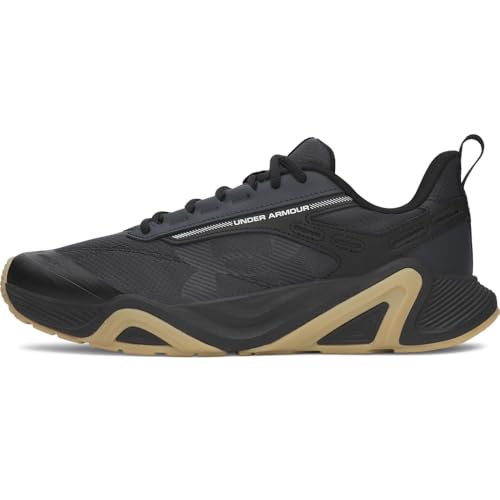
 Related pick
Store training shoes in a cool, dry place away from direct sunlight. Use shoe trees or stuff with newspaper to maintain shape. Clean them before storing, and rotate pairs to allow drying between uses.
Taking care of your training shoes doesn’t end when you take them off. How you store them between workouts directly affects their lifespan, comfort, and performance. Improper storage can lead to odor, material breakdown, and loss of cushioning. This guide gives you practical, no-nonsense advice on storing sneakers at home so they last longer and stay fresh.
Why Proper Storage Matters for Training Shoes
Training shoes are made from advanced materials that respond to how you use and store them. Foam midsoles, mesh uppers, and rubber outsoles all degrade over time, but poor storage accelerates the process. Heat, moisture, and pressure are the main enemies. When you toss sweaty shoes into a dark closet or leave them in a hot car, you invite bacteria, mold, and premature wear.
Think about it: your shoes go through intense impact during workouts. They absorb sweat, dirt, and friction. Afterward, they need to recover. Storing them correctly helps the materials decompress, dry out, and hold their shape. A shoe that is properly stored will support your feet better and feel more responsive on your next run or lift. On the flip side, a shoe left crumpled or damp will feel flat and smell bad sooner.
By giving your shoes a dedicated storage routine, you also save money because you won’t need to replace them as often. Plus, an organized shoe space keeps your home tidy and makes your gear easy to grab when motivation strikes.
Where and How to Store Training Shoes
The best place to store training shoes is a cool, dry, well-ventilated area. Temperature should be between 60 and 75 degrees Fahrenheit. Avoid attics, garages, or basements that get too hot or humid. Direct sunlight can fade colors and weaken fabrics, so keep them out of windows or bright spots. A dedicated shoe rack in your bedroom or mudroom works well.
If you have multiple pairs, rotate them. Never wear the same pair two days in a row; this gives them 48 hours to dry and recover. When you take off your shoes, loosen the laces and pull out the insoles if they are removable. This releases trapped moisture and lets air circulate. Store them with the tongues pulled forward to maintain the opening.
For long-term storage (more than a few weeks), clean the shoes first and stuff them with acid-free tissue paper or a shoe tree to preserve shape. Silica gel packets can help control moisture. Avoid plastic bins or sealed bags; they trap humidity. Instead, use cloth storage bags or open shelves.
Cleaning Your Training Shoes Before Storage
Dirt and sweat break down shoe materials over time. Mud, salt, and oils from your feet are corrosive. So before storing, make it a habit to clean your shoes. Start by removing loose dirt with a soft brush or cloth. For machine-washable shoes, take out the laces and insoles, and wash on a gentle cycle with cold water. Air dry only never use a dryer or direct heat, which can warp the sole or shrink the mesh.
For spot cleaning, use a mild soap or a dedicated sneaker cleaner. Apply with a damp cloth, then wipe away. Baking soda can help deodorize: sprinkle a little inside, let it sit overnight, then shake out. After cleaning, let the shoes dry completely before storing. To speed drying, stuff them with newspaper and change it after a few hours.
Remember that some materials like leather or suede need special care. Use a conditioner for leather and a suede brush for nubuck. Always check the manufacturer’s care label. A little maintenance every few wears goes a long way in keeping your training shoes in top shape.
Tools and Accessories for Shoe Storage
While you don’t need fancy gadgets, a few simple tools can help. Shoe trees are great for absorbing moisture and maintaining shape. Cedar trees also repel insects and add a pleasant scent. If you don’t have trees, tightly rolled newspaper works too. For drying, consider a boot dryer if you train heavily or live in a humid climate.
Organizational products like over-door shoe racks, stackable shelves, or cubbies keep shoes visible and off the floor. Avoid stacking shoes on top of each other; the weight can deform the lower pair. For travel or gym bags, use a ventilated shoe bag to separate dirty shoes from clean clothes.
But don’t overthink it. A simple shelf with good airflow is often enough. The key is to have a designated spot where you always put your shoes after use. That consistency matters more than any product.
Common Storage Mistakes to Avoid
Many people accidentally ruin their training shoes with well-meaning but harmful habits. One big mistake is storing shoes in a heap by the door. This crushes the heels and distorts the shape. Another is keeping them in a gym bag for hours or overnight. The dark, damp environment breeds bacteria and causes odor that is hard to remove.
Avoid using heat sources like radiators, hair dryers, or direct sun to dry shoes. Heat weakens glue bonds and can cause the midsole to crack. Similarly, do not throw wet shoes into a sealed plastic bag or bin. Without ventilation, mildew grows fast. Also, don’t assume all shoes can be washed the same way. Some running shoes with foam midsoles lose their bounce if washed too aggressively.
Lastly, don’t hold onto shoes past their prime. Even with perfect storage, training shoes have a lifespan typically 300 to 500 miles of running or 6 to 12 months of gym use. When the cushioning feels flat or the outsole is worn, it’s time to recycle them and get a new pair.
Frequently asked questions
Should I store training shoes in their original box?
It's not ideal because boxes limit airflow and can trap moisture. If you must use a box, remove the lid or punch holes for ventilation. Better to use an open shelf or cloth bag.
How often should I clean my training shoes?
Clean them every few wears or whenever they are visibly dirty. For heavy use, a monthly deep clean helps prevent odor and material breakdown. Daily quick wipe-downs after sweaty sessions are also beneficial.
Can I store training shoes in the garage or attic?
Avoid garages and attics if they get hot, humid, or cold. Temperature extremes degrade foam and adhesives. A climate-controlled space like a bedroom closet is best.
What is the best way to dry training shoes after a workout?
Remove insoles and laces, stuff with newspaper, and let them air dry at room temperature. Change the newspaper after a few hours. Never use a dryer or direct heat.
Looking to buy? See our Footwear guides for tested picks.