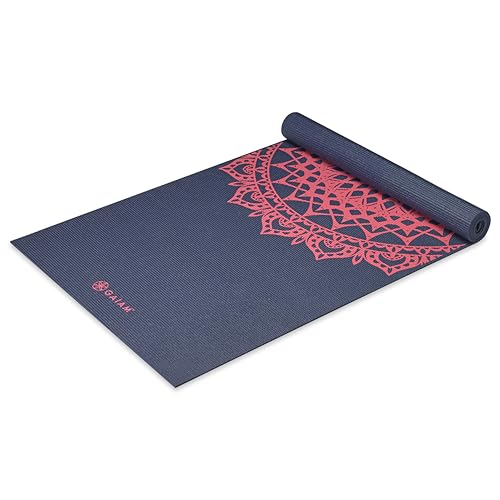
The ideal amount to spend on yoga gear depends entirely on your personal practice, frequency, and budget. Focus on quality for foundational items that enhance safety and comfort, like a good mat, but know that many supplementary items can be acquired affordably or aren't immediately necessary. Prioritize durability and function over brand or trend, ensuring your choices support your well-being without financial strain.
Embarking on a yoga journey or deepening an existing one often leads to a common question: what gear do I truly need, and how much should it cost? The market presents a vast array of options, from budget-friendly basics to premium accessories, which can make smart purchasing decisions feel overwhelming. This guide aims to demystify the process, helping you make informed choices that align with your practice and your financial comfort.
The Core Essentials: Mat, Attire, and Fundamental Props
A yoga practice, at its heart, requires very little to begin, often just a space and an intention. However, certain items significantly enhance safety, comfort, and the overall experience. Foremost among these is a yoga mat. A mat provides essential grip and cushioning, protecting joints and preventing slips during various poses. When considering a mat, think about its thickness, material, and texture. Thicker mats offer more padding for seated poses and floor work, while thinner mats can provide a more grounded feel for standing balances. The material impacts both its grip properties and its longevity, making this a pivotal item where thoughtful consideration pays dividends.
Beyond the mat, appropriate attire is another foundational element. Clothing should allow for a full range of motion without restriction, remain opaque through stretches, and manage moisture effectively, especially in more dynamic styles of yoga. Fabrics designed for activewear typically offer stretch, breathability, and quick-drying properties, which contribute to comfort and focus during a session. While aesthetic preferences vary widely, the primary concern for yoga clothing should always be functionality and the ability to move freely and without distraction.
Simple props also fall into the category of core essentials for many practitioners, particularly those newer to yoga or those working with specific physical limitations. Blocks can bring the floor closer, aiding in alignment and stability, while a strap can help extend reach in certain poses. These tools are not crutches but rather aids that facilitate proper form, deeper stretches, and greater accessibility, allowing practitioners to explore poses safely and effectively. Their value lies in their ability to adapt the practice to individual needs, making yoga more inclusive and beneficial.
Prioritizing Your Purchases: Where to Invest, Where to Economize
Not all yoga gear warrants the same level of investment, and understanding this distinction is key to wise spending. Items that directly impact your safety and comfort, and are subject to significant wear and tear, generally warrant a higher allocation of your budget. The yoga mat is perhaps the prime example here. A good quality mat will offer superior grip, better cushioning, and greater durability, meaning it will perform reliably for longer and reduce the risk of injury. Investing in a mat that suits your specific practice style and body type can genuinely elevate your experience and prevent the need for frequent replacements.
Conversely, there are areas where you can comfortably economize without detriment to your practice. Many basic yoga blocks, for instance, are made from dense foam or cork, and while premium versions exist, standard options often perform their function perfectly well. The same applies to straps; a simple, sturdy cotton strap will serve its purpose just as effectively as one with intricate designs or specialized buckles. The principle here is to distinguish between items where advanced features or specialized materials offer a tangible performance benefit versus those where a simpler, more affordable option provides identical functionality.
Consider also the difference between necessity and luxury. A dedicated yoga towel can be beneficial for hot yoga or to extend mat life, but a standard bath towel might suffice for many. A specialized yoga bag can be convenient, but a regular gym bag or backpack will transport your essentials just as effectively. Focusing your spending on items that truly enhance the core elements of your practice, safety, stability, and comfort, allows for flexibility in other areas, ensuring your overall investment remains practical and proportional to your needs.
Understanding Material Science and Durability
The materials used in yoga gear significantly influence its performance, longevity, and ultimately, its value. For yoga mats, common materials include PVC, natural rubber, TPE (Thermoplastic Elastomer), and cork. PVC mats are often more budget-friendly and durable, but some practitioners prefer alternatives due to environmental concerns or a desire for different textures. Natural rubber mats offer excellent grip and are biodegradable, but they can be heavier and might have a distinct scent, and some individuals have latex sensitivities. TPE mats provide a good balance of cushioning and grip, often being lighter and more eco-friendly than PVC. Cork mats offer a naturally antimicrobial surface and become grippier when damp, ideal for intense practices.
For activewear, material choices directly impact moisture management, stretch, and comfort. Synthetic blends, often incorporating polyester, nylon, and spandex, are prevalent due to their ability to wick sweat away from the body, dry quickly, and retain shape through numerous washes and demanding movements. Organic cotton or bamboo fabrics offer a softer, more natural feel, and breathability, though they might not manage moisture as efficiently as synthetics for high-intensity practices. Understanding these material properties helps you select clothing that supports your specific activity level and personal preferences, ensuring long-lasting comfort and performance.
Durability extends beyond the initial purchase; it encompasses how well an item withstands regular use and care. High-quality materials, combined with robust construction, mean gear is less likely to fray, lose its grip, or break down prematurely. Investing in gear made from resilient, well-chosen materials often translates to fewer replacements over time, offering a more sustainable and economically sound approach. Always consider the recommended care instructions, as proper maintenance plays an equally crucial role in maximizing the lifespan of your yoga essentials, regardless of their initial cost.
The Impact of Practice Frequency and Style
Your personal yoga journey, how often you practice and what style you engage in, should heavily influence your spending decisions. A casual practitioner attending a class once a week will likely have different gear requirements than someone with a daily, vigorous Ashtanga practice or a regular hot yoga routine. For infrequent use, a basic, more affordable mat and simple activewear might be perfectly sufficient. The wear and tear will be minimal, and the need for highly specialized features is reduced. Your existing comfortable clothing might even serve adequately for initial exploration.
As practice frequency increases or moves towards more demanding styles, the case for higher-quality, more specialized gear strengthens. A practitioner engaging in daily vinyasa flow or hot yoga, for instance, will greatly benefit from a mat with superior wet grip and durability, or activewear designed for intense moisture wicking and breathability. These features become not just desirable but essential for maintaining safety, hygiene, and comfort through repeated, strenuous sessions. The longevity of better-made items also becomes more relevant when they are used consistently, justifying a greater upfront investment.
Different yoga styles also place unique demands on gear. Restorative or Yin yoga, which involve long holds and often use extensive props, might prioritize comfort and support from items like bolsters and blankets over intense grip or moisture-wicking properties. Aerial yoga, naturally, requires specialized hammocks and rigging. Understanding the specific needs of your chosen style or styles helps refine your gear choices, ensuring you select items that genuinely enhance your particular practice rather than acquiring generic items that may not fully serve your purpose.
Beyond the Basics: Mindful Consumption and Long-Term Value
Approaching yoga gear purchases with a mindset of mindful consumption extends beyond simply saving money; it involves considering the environmental footprint and the long-term utility of each item. Before making a purchase, ask yourself if the item genuinely fills a need in your practice, or if it is a ‘nice to have’ that might contribute to clutter or go unused. Many practitioners find that a minimalist approach, focusing on a few versatile and high-quality items, serves them best. This approach not only reduces waste but also ensures that every piece of gear you own truly supports your journey.
The concept of long-term value ties into both durability and versatility. Choosing items known for their resilience means you are investing in gear that will last, reducing the need for frequent replacements and minimizing environmental impact. Versatile items, such as multi-purpose blocks or a mat suitable for various yoga styles, also offer greater value over time. Furthermore, consider items from brands known for ethical manufacturing practices or sustainable materials. While these might sometimes have a higher initial cost, they often represent a more responsible and enduring choice, aligning with the mindful principles often central to yoga itself.
Finally, remember that the most valuable assets in your yoga practice are your body, your breath, and your presence. No amount of specialized gear can substitute for consistent effort, self-awareness, and dedication. Gear is a tool, an aid to facilitate your practice, not an end in itself. Cultivating a discerning eye for quality, understanding your own needs, and resisting the urge for unnecessary accumulation will lead to more satisfying purchases and a practice that is authentically yours, unburdened by excessive material possessions.
Frequently asked questions
Is more expensive yoga gear always better in terms of quality or performance?
Not necessarily; while higher prices can indicate premium materials and craftsmanship, it is not a universal rule. Focus on specific material properties and user reviews rather than price alone to determine suitability for your needs.
Can I start practicing yoga effectively without purchasing a lot of specialized gear?
Absolutely; you can begin yoga with minimal gear, often just comfortable clothing and a basic mat. Many studios provide shared mats and props for newcomers.
How often should I anticipate needing to replace my primary yoga mat?
The lifespan of a yoga mat varies greatly depending on its material, the frequency of use, and how well it is cared for. A high-quality mat used regularly might last for several years, while a budget option could show wear within a year.
Are there sustainable or eco-friendly options for yoga gear that don't compromise performance?
Yes, many brands now offer gear made from recycled, renewable, or ethically sourced materials like natural rubber, cork, or organic cotton. These options can perform excellently while aligning with environmental values.
Looking to buy? See our Yoga guides for tested picks.