Effective recovery after running involves several key steps to repair muscles, replenish energy stores, and prevent injury. Immediately cool down with light movement, rehydrate with water and electrolytes, and refuel with a balanced meal of carbohydrates and protein within 30-60 minutes. Prioritize quality sleep and consider gentle active recovery or static stretching to aid muscle repair and reduce soreness.
Running challenges your body, building strength and endurance with every stride. Yet, the real progress often happens during recovery, not just the run itself. Proper post-run care is essential for improving performance, preventing injury, and maintaining your enjoyment of running. Learning effective recovery strategies is key for any runner aiming to feel better, run stronger, and stay consistent.
The Critical First Hour: Cool-Down and Initial Steps
The moments immediately following a run are crucial for kickstarting the recovery process. Resist the urge to stop abruptly, as this can lead to blood pooling in your lower extremities and potentially lightheadedness. Instead, transition into a cool-down period that gradually decreases your heart rate and allows your body to return to a resting state. This typically involves 5 to 10 minutes of light jogging or brisk walking. This gentle movement helps to flush metabolic waste products, like lactic acid, from your muscles and promotes healthy blood flow, which is vital for nutrient delivery and repair.
Following your cool-down walk, consider performing some light, static stretches. Focus on major muscle groups that were heavily engaged during your run, such as your hamstrings, quadriceps, calves, and hip flexors. Hold each stretch for 20 to 30 seconds, ensuring you feel a gentle pull, not pain. Avoid ballistic or bouncing stretches, which can be counterproductive for muscles that are already fatigued. This initial stretching helps to maintain flexibility, improve range of motion, and can contribute to a reduction in post-run stiffness. Remember, flexibility is a cornerstone of injury prevention and overall running efficiency.
Within 30 to 60 minutes after finishing your run, your body enters a prime window for nutrient absorption, often referred to as the ‘anabolic window.’ During this time, your muscles are especially receptive to replenishing glycogen stores and repairing damaged tissue. Prioritize rehydrating with water and, for longer or more intense runs, consider an electrolyte-rich beverage to replace lost sodium and potassium. Shortly after, consume a balanced meal or snack containing both carbohydrates and protein. This combination is essential: carbohydrates to restore muscle glycogen and protein to provide amino acids for muscle repair and synthesis.
Fueling Recovery: Nutrition and Hydration Strategies
Beyond the initial post-run snack, your ongoing dietary choices play a significant role in comprehensive recovery. Carbohydrates are your primary energy source for running, and replenishing your glycogen stores is paramount. Opt for complex carbohydrates like whole grains, fruits, and vegetables to ensure sustained energy and fiber intake. Equally important is protein intake, which provides the building blocks for muscle repair and growth. Aim for lean protein sources such as chicken, fish, eggs, legumes, and dairy products. A good guideline for recovery meals is a 3:1 or 4:1 ratio of carbohydrates to protein, especially after demanding runs, to optimize both glycogen restoration and muscle protein synthesis.
Hydration extends far beyond simply drinking water during and immediately after your run. Your body is constantly losing fluids through sweat, respiration, and other bodily functions. Consistent hydration throughout the day is critical for all physiological processes, including nutrient transport, waste removal, and temperature regulation. Keep a water bottle handy and sip regularly, rather than trying to chug large amounts at once. Pay attention to the color of your urine; a pale yellow indicates good hydration, while darker shades suggest you need to increase your fluid intake. For those who sweat heavily, or run in hot and humid conditions, adding a pinch of salt to water or consuming naturally electrolyte-rich foods can be beneficial.
Don’t overlook the power of micronutrients and anti-inflammatory foods in accelerating your recovery. Vitamins, minerals, and antioxidants found in a diverse diet of fruits, vegetables, and whole foods contribute to overall health, immune function, and the body’s natural healing processes. Foods rich in omega-3 fatty acids, such as fatty fish, flaxseeds, and walnuts, have natural anti-inflammatory properties that can help reduce muscle soreness and promote healing. Berries, leafy greens, and colorful vegetables are packed with antioxidants that combat oxidative stress induced by intense exercise. Integrating a wide variety of these nutrient-dense foods into your daily meals will support your body’s ability to repair and rebuild effectively.
The Power of Rest: Sleep and Active Recovery
While nutrition and immediate post-run care are vital, the most profound recovery happens when you are at rest, particularly during sleep. Sleep is not merely a downtime for your brain; it’s a highly active period for your body’s repair systems. During deep sleep stages, your body releases growth hormone, which is essential for tissue repair, muscle growth, and bone health. Adequate sleep also helps regulate cortisol (a stress hormone) and supports immune function, making you less susceptible to illness and injury. Consistently sacrificing sleep will undermine all your other recovery efforts, making you feel perpetually fatigued and hindering your progress.
Runners, especially those training for longer distances or higher intensity, often require more sleep than the average person. Aim for 7 to 9 hours of quality sleep per night. Creating a consistent sleep schedule, even on weekends, can significantly improve sleep quality. Establish a relaxing bedtime routine that includes avoiding screens, bright lights, and caffeine in the hours leading up to bed. Ensure your sleep environment is dark, quiet, and cool. If you find yourself consistently tired despite sufficient hours in bed, consider factors like sleep hygiene, stress levels, or potential sleep disturbances that might be impacting the restorative nature of your rest.
Active recovery, distinct from complete rest, involves performing low-intensity exercise that increases blood flow without placing significant stress on your muscles. This gentle movement can help flush out metabolic byproducts, deliver fresh oxygen and nutrients to tired muscles, and maintain flexibility. Examples of effective active recovery include a very light walk, an easy swim, gentle cycling, or a yoga session. The key is to keep the intensity low, focusing on comfortable, fluid motion. Active recovery should leave you feeling refreshed and less stiff, not more fatigued. It can be a great way to break up days of complete rest, promoting mental and physical readiness for your next challenging run.
Managing Muscle Soreness: Tools and Techniques
Delayed Onset Muscle Soreness (DOMS) is a common experience for runners, especially after particularly challenging or new workouts. It typically sets in 24 to 48 hours post-run and is characterized by tenderness, stiffness, and reduced range of motion. DOMS is caused by microscopic tears in muscle fibers and the subsequent inflammatory response, not solely lactic acid buildup. While it’s a normal part of the adaptation process, there’s a difference between soreness and pain indicating injury. For general soreness, the goal is to alleviate discomfort and promote healing. For acute injuries, a different approach, often involving rest, ice, compression, and elevation (R.I.C.E.), might be necessary, but for everyday post-run soreness, other methods are more beneficial.
Foam rolling has become a popular and effective self-myofascial release technique for runners. By applying pressure to specific areas, a foam roller can help to break up adhesions, release muscle tightness, and improve blood flow. Focus on areas prone to tightness in runners, such as the quadriceps, hamstrings, calves, glutes, and IT bands. Roll slowly, pausing on tender spots for 20 to 30 seconds until the tension starts to release. While it can be uncomfortable, it shouldn’t be excruciatingly painful. Consistent foam rolling can improve muscle elasticity, increase range of motion, and reduce the severity of muscle soreness, making you feel more limber and ready for your next run.
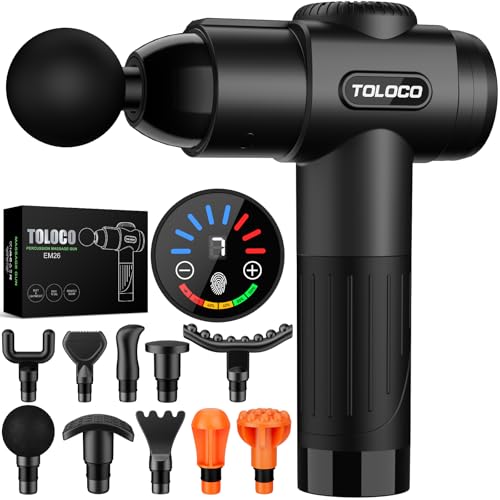
Other techniques can also contribute to managing muscle soreness. Regular massage, whether from a professional or with a self-massage tool, can target deeper knots and facilitate muscle relaxation. Compression garments, worn after a run, are theorized to improve blood flow, reduce muscle oscillation during activity, and potentially decrease swelling, though individual experiences vary. Regarding temperature therapies, cold application (like an ice bath or cold shower) can help reduce immediate inflammation and numb discomfort after intense runs, while heat (a warm bath or heating pad) can promote blood flow and muscle relaxation for persistent stiffness. Experiment to find what works best for your body, but remember these are aids, not substitutes for proper rest and nutrition.
Long-Term Well-being: Consistency and Listening to Your Body
Effective recovery is not a one-off event; it’s a consistent practice that underpins your long-term running health and performance. Just as you consistently show up for your runs, you must consistently commit to your recovery protocols. Skipping cool-downs, neglecting hydration, or routinely getting insufficient sleep will accumulate negative effects over time, leading to chronic fatigue, decreased performance, and an increased risk of injury. Build recovery habits into your routine, making them as non-negotiable as your actual training sessions. This might mean scheduling your post-run meal, setting a consistent bedtime, or dedicating specific time to foam rolling or stretching.
Perhaps the most critical aspect of long-term recovery and injury prevention is learning to truly listen to your body. It provides subtle, and sometimes not-so-subtle, clues about its state. Persistent fatigue, unusually high heart rate, extended muscle soreness that doesn’t resolve, recurring aches and pains, irritability, or decreased performance are all potential signs of overtraining or insufficient recovery. Pushing through these signals can lead to more serious issues like stress fractures, tendonitis, or burnout. Don’t hesitate to adjust your training plan, take an extra rest day, or seek professional advice if something feels consistently wrong. A single missed run for recovery is far better than weeks or months sidelined by injury.
Integrating cross-training and prehabilitation (prehab) exercises into your routine can significantly enhance long-term recovery and resilience. Cross-training activities like swimming, cycling, or elliptical work provide cardiovascular benefits without the impact stress of running, allowing your primary running muscles to recover while still maintaining fitness. Prehab exercises, which focus on strengthening supporting muscles, improving stability, and correcting imbalances, help fortify your body against common running injuries. Examples include core strengthening, hip abductor exercises, and single-leg balance work. Gradual progression in your training, avoiding sudden increases in mileage or intensity, is also paramount to giving your body sufficient time to adapt and recover from increasing demands.
Frequently asked questions
Is stretching better before or after a run?
Dynamic stretching, involving movement, is generally recommended before a run to warm up muscles and improve range of motion. Static stretching, holding a stretch for a period, is more beneficial after a run when muscles are warm and pliable to improve flexibility and aid in muscle recovery.
How soon after a run should I eat?
Aim to consume a meal or snack containing both carbohydrates and protein within 30 to 60 minutes after finishing your run. This timeframe, often called the "anabolic window," optimizes the replenishment of muscle glycogen and initiation of muscle repair.
Can cold showers or ice baths really help with recovery?
Cold exposure, like ice baths, can help reduce muscle inflammation and soreness after intense exercise by constricting blood vessels. While some runners find them beneficial for immediate discomfort, consistent use should be balanced with other recovery strategies.
What are the signs I might be overtraining?
Signs of overtraining include persistent fatigue, prolonged muscle soreness, decreased performance, increased irritability, and a higher resting heart rate. Listening to these signals and adjusting your training or taking extra rest days is crucial for preventing more serious issues.
Looking to buy? See our Balance Recovery guides for tested picks.