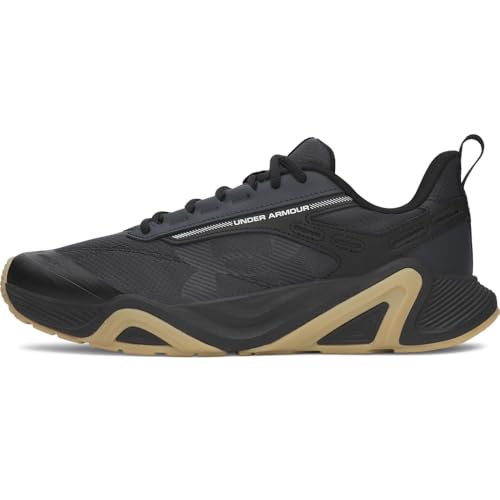
 Related pick
Cross training shoes are designed for multi-directional movement and weightlifting stability, with a flatter, wider sole. Running shoes prioritize forward motion with more cushioning and a higher heel-to-toe drop. Choose cross trainers for gym workouts, HIIT, or court sports; choose running shoes for running.
Choosing between cross training shoes and running shoes can feel overwhelming, but understanding their core purposes makes the decision much simpler. Both are built for athletic performance, yet they serve very different movements and activities. This guide breaks down the key differences in design, support, and durability so you can pick the right shoe for your workouts. We will focus purely on function and fit, no sales pitches.
Design Differences: Cushioning and Stability
Running shoes are engineered for forward motion. They feature thick, soft cushioning under the heel and forefoot to absorb the impact of each stride. A high heel-to-toe drop (usually 8-12mm) encourages a heel-strike pattern and a smooth rolling motion. The stack height (amount of foam underfoot) is typically high, which provides comfort but reduces ground feel and stability for lateral movements.
Cross training shoes have a lower, more stable platform. The stack height is lower, and the sole is often wider at the forefoot and heel to create a solid base for squats, deadlifts, and other weight-bearing exercises. The heel-to-toe drop is usually lower (0-6mm) to mimic a more natural foot position. Midfoot cushioning is firmer to prevent compression under heavy loads. Unlike running shoes, cross trainers prioritize lateral support and torsional rigidity to handle cutting, jumping, and multi-directional movement.
In short, running shoes give you a soft, rockered ride; cross trainers give you a firm, grounded platform.
Support and Flexibility Features
Running shoes focus on medial support to control overpronation (foot rolling inward). Many models include a medial post or guide rails that cradle the heel and steer the foot through a straight gait cycle. The upper is breathable and flexible, often with thin mesh that stretches to accommodate foot swelling during long runs. Torsional flexibility is higher, allowing the foot to twist naturally as it pushes off the ground.
Cross training shoes emphasize lateral stability and lockdown. The upper is more durable, often incorporating overlays, reinforced mesh, or even leather panels to resist abrasion from gym equipment. A firm heel counter and a wide, flat lacing system lock the foot in place for side-to-side movements. The outsole is designed for multi-surface traction, with a pattern that grips rubber floors, artificial turf, and even light trails. Cross trainers may also have a raised rubber edge around the forefoot for durability during rope climbs or burpees.
The key difference: running shoes let your foot move naturally with the run; cross trainers hold your foot firmly in place for stability during dynamic movements.
Activity Suitability: When to Wear Each
Wear running shoes for activities that involve continuous forward motion: road running, trail running (with trail-specific models), treadmill workouts, and even walking for fitness. Running shoes excel at reducing impact over long distances, but they are poor for lateral moves, weightlifting, or court sports because the soft cushioning compromises stability and control.
Wear cross training shoes for gym workouts, HIIT classes, circuit training, CrossFit, weightlifting, plyometrics, and court sports like tennis or basketball (though sports-specific shoes may be better for high-level play). Cross trainers also work well for short runs (up to 3 miles) or when your workout combines running with floor exercises. They provide the grip, support, and durability needed for rope climbs, box jumps, and lunges without breaking down quickly.
If your primary goal is running, choose a running shoe. If you do a mix of activities in the gym, a cross trainer will better serve your needs.
Durability and Outsole Differences
Running shoes are built for repetitive heel-to-toe impact. The outsole rubber is concentrated on the heel and forefoot, where wear is highest. The midsole foam compresses over time, and most running shoes last 300-500 miles before cushioning degrades. Because they are not designed for lateral stress, using running shoes for gym work can cause the outsole to peel or the upper to blow out during side-to-side movements.
Cross training shoes have a thicker, full-coverage rubber outsole that wraps up the sides of the shoe for durability during rope climbs and dragging. The midsole uses denser foams that resist compression from heavy weights and repeated impact. Cross trainers typically last longer in gym environments because their materials are chosen for abrasion resistance and structural integrity. However, they are not ideal for long runs because the firmer foam provides less shock absorption.
For longevity, match the shoe to the activity: use running shoes for running, cross trainers for the gym.
Fit, Sizing, and How to Choose
Running shoes generally fit longer and narrower to accommodate foot swelling and allow toe splay during the gait cycle. Most runners go up half a size from their casual shoe size. The heel should lock in place, and there should be a thumb’s width of space from the longest toe to the end. Lacing patterns vary to customize lockdown.
Cross training shoes fit true to size or slightly snug, with a wider toe box to allow toe splay during squats and lateral movements. The heel is narrower to prevent slipping during dynamic exercises. Many cross trainers have a lace-lock system to keep laces secure. For weightlifting, a flat sole with minimal arch support is preferred to maintain full foot contact with the floor.
To choose, assess your primary activities. If you run more than 10 miles per week, prioritize running shoes. If you spend most of your workout in the gym doing strength, HIIT, or sports drills, choose cross trainers. For mixed workouts, cross trainers offer the best balance.
Frequently asked questions
Can I use cross training shoes for running?
Yes, for short distances (up to 3 miles) or occasional runs. However, they lack the cushioning and forward motion design that running shoes provide, so they are less comfortable and can increase injury risk for longer runs.
Can running shoes be worn for gym workouts?
Running shoes are not ideal for gym workouts, especially weightlifting or HIIT. The soft cushioning makes you feel unstable under heavy loads and can wear out quickly with lateral movements. Use cross trainers for the gym instead.
What is the main difference between cross training and running shoes?
The main difference is stability vs. cushioning. Cross training shoes have a flat, stable sole for lateral moves and lifting. Running shoes have thick cushioning and a rockered shape for forward motion and impact absorption.
Which shoe is better for walking or everyday wear?
For walking, running shoes are generally more comfortable due to their cushioning and rockered sole. Cross trainers are firmer and less cushioned, making them less ideal for all-day wear, but they can work for short walking distances.
Looking to buy? See our Footwear guides for tested picks.