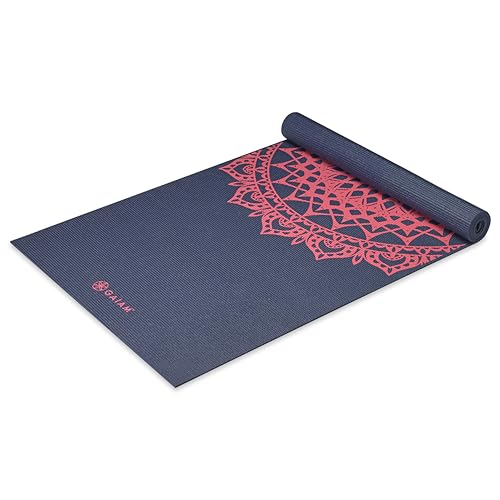
The biggest mistakes are buying a mat that is too thin or too thick, choosing clothes that are too loose or restrictive, and overbuying props before you understand your needs. Focus on function, breathability, and grip to avoid wasted money and discomfort.
Yoga gear can be confusing, especially with so many options on the market. Many beginners end up with equipment that doesn’t suit their practice, leading to frustration and extra expenses. In this article, we’ll walk through the most common pitfalls and how to avoid them. Our goal is to help you choose wisely from the start.
1. Choosing the Wrong Yoga Mat Thickness
One of the first purchases is often a yoga mat. A common mistake is picking a mat that is either too thin or too thick. Very thin mats (1-2mm) offer little cushioning, especially for knees or sensitive joints during floor poses. On the other hand, super thick mats (6-8mm) can be unstable for balancing poses like Tree or Warrior III.
For most people, a 4-5mm mat strikes the right balance of comfort and stability. Additionally, consider the mat’s grip. A mat that becomes slippery when wet can be dangerous in a sweaty class. Look for materials like natural rubber or high-quality PVC that provide traction even when damp. Avoid mats with a slick surface, no matter how cheap they are.
Finally, think about portability. If you travel to class, a heavy mat is a chore. Many yogis keep a thicker mat at home and a thinner travel mat for class. Don’t assume one mat fits every situation.
2. Overlooking Fabric Fit and Function in Yoga Clothing
Yoga clothing is personal, but many people buy outfits that look great but fail during practice. Loose t-shirts can bunch up in Downward Dog, while super tight leggings may restrict movement or roll down at the waist. Cotton clothes absorb sweat and become heavy and clingy, which is distracting.
Instead, choose moisture-wicking fabrics like polyester or nylon blends that breathe and dry quickly. For bottoms, mid-rise or high-rise options stay put during twisting poses. Look for flat seams to prevent chafing. Men should consider shorts or pants with a liner to avoid shifting. The key is to test your outfit’s range of motion before you buy. Do a few stretches in the fitting room to check for comfort.
Many people also ignore the importance of fabrics that don’t pill or fade quickly. Investing in quality pieces saves money over time. However, you don’t need expensive designer brands; many mid-tier options work just as well.
3. Buying Props You Don't Need (Yet)
Yoga props like blocks, straps, bolsters, and blankets are helpful but not essential for beginners. A common mistake is buying a full set before you know what your practice demands. Many studios provide props for free, so start by using what’s there. Once you find yourself regularly reaching for a particular prop at home, consider purchasing one.
For example, blocks are great for modifying poses and improving alignment. But cheap, slippery foam blocks can frustrate you. Cork or dense foam blocks offer better stability and support. Straps are useful for hamstring flexibility but only if you actually use them. A simple cotton strap is usually enough.
Resist the urge to buy a complete package. Instead, buy props one at a time as your practice evolves. This prevents clutter and wasted money. Remember, your body is your most important prop; everything else is just support.
4. Ignoring Your Personal Practice Style and Body Type
Not all yoga is the same. A power yoga practitioner needs very different gear than someone who does restorative or yin yoga. For vigorous classes, you need high-grip mats and moisture-wicking clothes. For calm practices, thicker mats and soft, cozy layers may be better. Many people buy gear based on a friend’s recommendation or a popular brand, but their own needs are different.
Your body type also matters. Taller people may need longer mats (72 inches vs. 68) to keep their head and feet on the mat. If you have sensitive knees, a mat with extra cushion or a knee pad is valuable. People with allergies should avoid latex-containing rubber mats. Take a moment to assess your unique practice before buying.
Try to borrow or rent gear for a few sessions to see what works. The best purchase is the one that matches your specific routine. Don’t assume that the most popular item is right for you.
5. Prioritizing Style Over Substance and Durability
It’s easy to be drawn to fun patterns or trendy colors, but style should be a secondary concern. A mat with a beautiful design might have poor grip or breakdown quickly. Yoga clothes with cheap prints can fade, and fabric may lose elasticity. Many shoppers ignore reviews and end up with gear that looks good but performs poorly.
Instead, focus on quality indicators: stitching, material density, and customer reviews that mention longevity. For mats, check if they are free of toxic glues or PVC if that matters to you. For clothing, look for reinforced seams and fabric that doesn’t become translucent when stretched. Brands with good warranties or trial periods are often more reliable.
Remember that functional gear can be stylish too. A simple black mat or neutral clothes often look more professional and last longer. If you want patterns, buy accessories like a towel or bag that are easier to replace. Put your money into the gear that directly affects your practice.
Frequently asked questions
What thickness of yoga mat is best for beginners?
A 4-5mm thick mat offers a good balance of cushion and stability. If you have joint issues, consider a 6mm mat but be aware it may feel less stable in balance poses.
Should I buy a cotton yoga towel for hot yoga?
Cotton towels get heavy and slippery when wet. Instead, choose a microfiber towel with a silicone grip that stays in place on your mat and absorbs moisture well.
How many yoga blocks do I need at home?
Start with two blocks. They allow for symmetrical support in poses like Triangle or Half Moon. You can add more later if needed, but two is standard for most home practices.
Is it worth buying a cheap yoga mat from a discount store?
Cheap mats often lack grip and wear out quickly. They can even be unsafe if they slide. Investing a bit more in a reputable brand usually pays off in comfort and durability.
Looking to buy? See our Yoga guides for tested picks.