 Related pick
Expensive strength training equipment is worth it if it matches your fitness goals and space, but budget options often work just as well. Focus on durability and feel, not brand names, for the best value.
Building a home gym or upgrading your strength training gear can be exciting, but the price tags on some equipment might give you pause. From premium barbells to top-tier cable machines, the question is whether you really need to spend big to get strong. Let’s take a practical look at what you actually get for your money and how to decide what’s worth the investment.
What Do You Get With Expensive Equipment?
High end strength equipment often uses better materials. Expect stainless steel or hard chrome shafts on barbells, thicker gauge steel on racks, and premium upholstery on benches. These materials can last for decades and feel more comfortable during heavy lifts. Cheaper gear might use lower grade steel that can bend or rust, and foam that compresses over time.
Another difference is precision. Expensive plates have tighter weight tolerances, meaning a 45 pound plate actually weighs 45 pounds. Budget plates can be off by a few percent, which matters for progressive overload. Similarly, high quality cable machines have smoother pulleys and stronger cables, reducing friction and risk of snapping.
However, not all expensive equipment is superior. Some brands charge a premium for aesthetics or brand cachet without any real functional benefit. Always look at the specifications and user reviews to see if the price is justified by real world performance.
When Budget Gear Is Just Fine
For many lifters, budget equipment like cast iron plates, basic squat stands, and standard barbells are more than adequate. If you’re not competing or lifting extreme weights, you likely won’t notice the difference between a 300 dollar barbell and a 1000 dollar one. The key is to avoid gear that is unsafe. Check for weight capacity, weld quality, and stability.
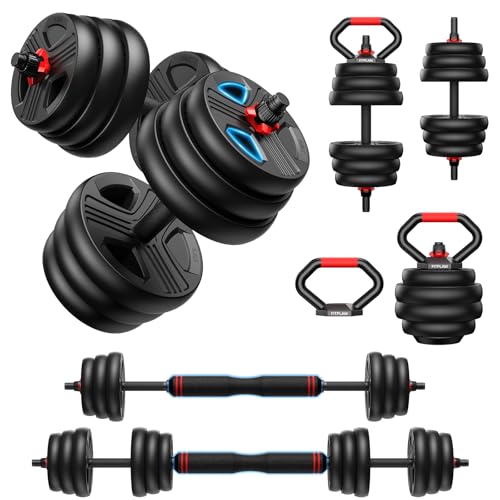
Cardio and bodyweight exercises don’t require expensive gear at all. Resistance bands, suspension trainers, and adjustable dumbbells from budget brands can give you a fantastic workout without breaking the bank. The most important factor is consistency, not the price tag on your equipment.
One area where budget often wins is for accessories like weight belts, knee sleeves, and straps. These items don’t need to be high end to be effective. As long as they fit well and are durable, inexpensive versions work just as well as expensive ones.
Equipment Where Quality Matters Most
There are a few pieces where spending more can make a real difference. Barbells, especially for Olympic lifting, benefit from better steel and bushings that reduce spin. A quality barbell can save your wrists and improve your technique. Power racks also warrant investment because they are your safety net. A wobbly or poorly built rack can be dangerous under heavy weights.
Dumbbells with knurled handles and iron or rubber heads are more comfortable and last longer than cheap chrome options that can slip or chip. Similarly, a good adjustable bench with a wide pad and sturdy hinges can support heavier dumbbell work safely.
Cable machines are another category where build quality matters. Budget models often have jerky movement and limited weight stacks. If you plan to use cables frequently, a mid range machine from a reputable brand is a better buy than a cheap one that will frustrate you.
How to Decide What to Spend
Start by assessing your goals. Are you training for powerlifting, bodybuilding, or general fitness? For general fitness, budget gear is usually sufficient. For powerlifting, you may want a competition grade barbell and plates. For bodybuilding, a quality bench and dumbbells are key. Also consider space: if you have limited room, compact multi purpose equipment like adjustable dumbbells might be worth spending more on to save space.
Next, prioritize safety and durability over aesthetics. A simple black power rack from a trusted brand is a better investment than a flashy, less stable one. Look for used equipment from gyms closing down or sellers upgrading. You can often get high quality commercial grade gear for a fraction of retail price.
Finally, think about longevity. If you plan to lift for life, spending a bit more on items you use every session (like a barbell) makes sense. For rarely used accessories, go cheap. This approach lets you allocate your budget where it matters most.
The Bottom Line on Expensive Strength Gear
Expensive strength training equipment is generally not necessary to achieve great results. Your effort, consistency, and proper form are far more important than the gear you use. However, if you have the budget and specific needs, premium equipment can enhance your experience and last longer. The sweet spot is to invest in key items like a barbell, rack, and bench, but save on plates, accessories, and machines.
Remember that marketing often exaggerates the benefits of expensive gear. Focus on objective factors like material quality, weight tolerance, and safety features. A well informed purchase based on your training style will serve you better than buying the most expensive option. Ultimately, the best equipment is the one you’ll actually use consistently.
Don’t let price tags distract you. Strong lifts come from hard work, not a pricey barbell. Spend wisely, train hard, and you’ll get the results you want regardless of your budget.
Frequently asked questions
Do I need expensive barbells for home gym?
Not necessarily. A mid range barbell with decent knurling and bearings is fine for most lifters. Expensive barbells mainly matter for competitive lifting or if you need very specific spin characteristics.
Are cheap resistance bands effective?
Yes, budget resistance bands work just as well as expensive ones for most exercises. The main concern is durability; cheaper bands may snap sooner, but they still provide the same resistance.
Should I buy a budget power rack?
A budget power rack can be safe if it meets your weight requirements and is well constructed. Look for one with solid steel, proper welds, and good reviews. Avoid the cheapest options that might tip over.
Is it worth investing in expensive dumbbells?
Expensive dumbbells often have better knurling, balance, and more precise weight increments. For heavy lifting, they are worth it for comfort and safety. For light to moderate use, budget ones are fine.
Looking to buy? See our Strength Training guides for tested picks.