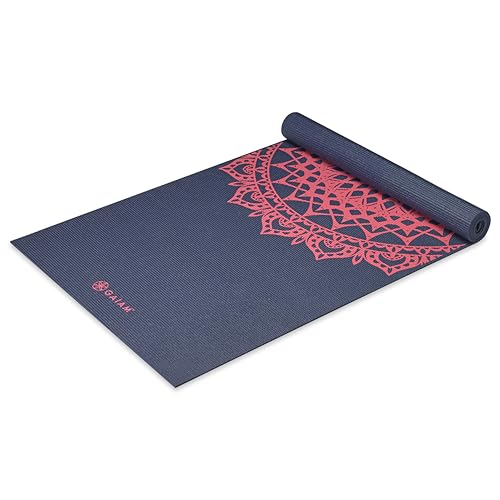
Common yoga gear problems include slippery mats, loose or uncomfortable straps, worn blocks, and noisy zippers. Fix a slippery mat by washing it with mild soap or using a yoga towel. Adjust loose straps with a simple knot or replace them. Swap worn blocks for cork or firmer foam. Silence noisy zippers with a bit of wax or lubricant.
Yoga gear is supposed to support your practice, not get in the way. But over time, mats get slippery, straps stretch out, blocks dent, and bags break. These problems are common, but they don’t mean you need to buy new gear. Here are honest, practical fixes for the most annoying yoga equipment issues, so you can get back to your practice without distraction.
Slippery Mat: You're Sliding Out of Poses
Another common cause is using lotion or oil on your skin before practice. Try to shower before yoga or skip heavy creams on your hands and feet. If you practice hot yoga, consider a mat specifically designed for sweat, or use a thin, absorbent towel on top. A towel with silicone dots on the underside stays put and provides grip.
Loose or Uncomfortable Strap: Can't Hold a Stretch
A yoga strap is meant to help you extend your reach, but if it’s too loose or the buckle slips, it’s useless. Many straps have D-ring buckles that don’t lock tightly, especially as they wear. You’ll be pulling to deepen a hamstring stretch and the strap suddenly gives, or the buckle slides when you shift weight.
To fix a loose strap, adjust the webbing so it’s longer than you need, then loop it back through the buckle twice. This creates more friction and holds better. If the buckle itself is damaged, you can replace it with a new D-ring from a craft store. Another trick: tie a simple overhand knot at the end of the strap to prevent it from pulling through the buckle. For comfort, if the strap digs into your skin, wrap a small towel or cloth around the part that contacts your foot or hands.
Worn or Deformed Blocks: Losing Support
Foam blocks are lightweight but they dent and compress over time, especially if you put weight on them in poses like triangle or half moon. A dented block doesn’t provide stable support and can make you wobble. Cork blocks hold up longer but can crack or chip if dropped.
If your foam block is just slightly compressed, try flipping it to a less used side. Rotate your blocks regularly to distribute wear. For badly dented foam, consider upgrading to a firmer block like a cork or high-density EVA foam block. If a cork block chips, sand the rough edge with fine sandpaper to smooth it. You can also use two blocks stacked together for extra height if one is too low. Remember, blocks are meant to support you, not the other way around, so don’t be shy about replacing them when they no longer provide stable support.
Noisy or Sticky Zipper on Your Bag
A zipper that sticks, jams, or makes an awful screeching sound is annoying, especially when you’re trying to pack up quietly after class. This usually happens when the teeth get dirty or the zipper track is misaligned.
First, clean the zipper teeth with a dry toothbrush to remove lint and dirt. Then run a bar of soap, a candle, or a graphite pencil along the zipper teeth to lubricate them. For stubborn zippers, use a silicone-based lubricant spray (like the kind used for garage doors) applied sparingly to a cotton swab. Gently work the zipper back and forth after lubricating. If the zipper pull is loose, squeeze it gently with pliers to tighten it. For a broken zipper slider, you can often replace it with a new one from a sewing store by removing the old stopper and installing a new slider.
Bolster or Blanket Losing Fluff
Over time, your bolster may become flat or lumpy, and your blanket may lose its loft. This happens when the filling compresses from repeated use or washing. A flat bolster doesn’t provide the same support for restorative poses, and a thin blanket isn’t as cozy for savasana.
To fluff a bolster, try beating it like a pillow and leaving it in the sun for a few hours. The heat and air help expand the filling. If the cover is removable, take it off and fluff the inner cushion in a dryer on the no-heat or air-fluff setting for 10 minutes. For blankets, avoid washing them too often; use a fabric shaver to remove pills, and dry them on low heat with dryer balls to restore fluffiness. If the filling is permanently compressed, you can buy replacement inserts for some bolsters or simply layer two blankets for more thickness.
Frequently asked questions
How do I make my yoga mat less slippery?
Clean the mat with mild soap and water to remove oils and residue. For extra grip during practice, place a yoga towel over the mat, especially if you tend to sweat.
What can I use instead of a yoga strap?
A belt, a scarf, or even a long towel can work as a temporary strap. For a secure hold, tie it in a loop or use a slip knot that won't tighten under tension.
When should I replace my yoga block?
Replace a block when it shows deep dents, cracks, or is no longer stable under your weight. If it feels soft or squishy, it's time for a new one.
How do I fix a stuck zipper on my yoga bag?
Clean the zipper teeth with a brush, then lubricate with soap, candle wax, or a silicone spray. Gently work the zipper back and forth until it moves smoothly.
Looking to buy? See our Yoga guides for tested picks.