 Related pick
Balance boards can help seniors improve balance and coordination, but they carry a high risk of falls and injury. Safer options like standing on one leg or using a stability cushion offer similar benefits with less risk. Always consult a doctor before starting.
Balance boards have become a popular tool for improving stability and core strength, often used by athletes and younger fitness enthusiasts. But if you are a senior or caring for an older adult, you might wonder: are balance boards safe and effective for older adults? The short answer is that while balance boards can offer benefits, they also come with significant risks. This article breaks down the pros and cons, safe practices, and better alternatives for seniors looking to improve balance.
How Balance Boards Work and Their Potential Benefits for Seniors
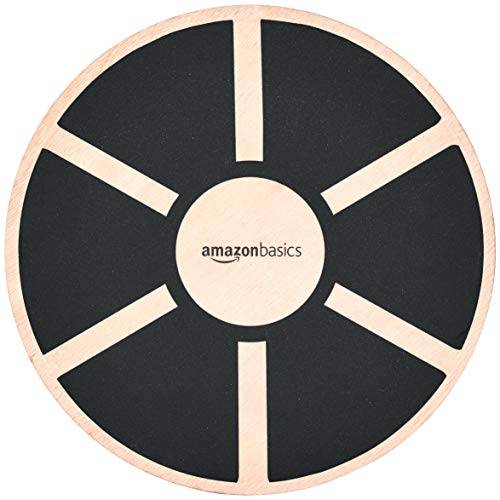
Balance boards are platforms that tilt in multiple directions, forcing your body to make constant micro-adjustments to stay upright. This engages muscles in your core, legs, and ankles, improving proprioception – your body’s ability to sense its position in space. For seniors, better proprioception can reduce the risk of falls, which is a leading cause of injury among older adults.
Some studies suggest that balance training can improve reaction time and muscle strength, both of which decline with age. Using a balance board may also help with coordination and joint stability. However, these benefits are not unique to balance boards; many other exercises can achieve the same results with less risk.
It is important to note that most research on balance boards involves athletes or younger adults. There is limited evidence specifically for seniors, so the benefits are largely theoretical based on general balance training principles.
Risks and Drawbacks of Balance Boards for Older Adults
The primary risk of balance boards is falling. Seniors often have reduced bone density, slower reflexes, and weaker muscles, making a fall more likely to cause serious injury like a hip fracture or head trauma. Even a minor loss of balance on a board can lead to a hard fall on a hard surface.
Additionally, many seniors have conditions like arthritis, vertigo, or neuropathy that can make balance boards especially dangerous. The dynamic instability of the board can exacerbate dizziness or joint pain. There is also the risk of overdoing it – seniors may underestimate the effort required and strain muscles or joints.
For these reasons, most physical therapists do not recommend balance boards for older adults, especially those with pre-existing health concerns. The potential benefit does not outweigh the risk for most seniors.
How Seniors Can Safely Try a Balance Board
If you and your doctor decide that a balance board is appropriate, safety must be a top priority. Always use the board near a wall or sturdy counter so you can reach out for support. Consider using a chair or walker to hold onto while stepping onto and off the board.
Start with a board that has a low profile and a wider base, which is more stable. Place the board on a non-slip mat to prevent it from sliding. Wear supportive shoes and have a spotter, especially the first few times. Limit sessions to a few minutes and stop if you feel unsteady.
Practice simple moves like gentle rocking side to side before attempting anything dynamic. Never try to catch yourself if you fall – instead, step off the board. Over time, you can progress to holding onto the board with one hand while slowly moving your other hand.
Safer Alternatives to Balance Boards for Seniors
There are many effective and lower-risk ways to improve balance as you age. Standing on one leg while holding onto a chair is a classic exercise that can be done anywhere. Start with 30 seconds per leg, twice daily. As you improve, try releasing your grip for a few seconds.
Tai chi is one of the best activities for senior balance. It combines slow, controlled movements with weight shifting, which trains balance without the high fall risk of a device. Yoga is another excellent option, especially chair yoga or poses like tree pose with support.
Strength training for the legs and core, such as seated leg raises or wall sits, builds the muscles needed for stability. You can also use a foam pad or a cushion while standing (on a flat, stable surface) to challenge your balance slightly without the instability of a board.
Tips for Choosing a Balance Training Program
Before starting any balance program, consult your doctor or physical therapist. They can assess your fall risk, mobility, and any medical conditions that might affect your training. A professional can also design a program tailored to your abilities and goals.
When choosing exercises, prioritize those that mimic real-life movements, like stepping sideways or bending to pick something up. Consistency is more important than intensity; ten minutes of daily balance practice is better than a long session once a week.
Listen to your body: pain, dizziness, or extreme fatigue are signs to stop. Progress gradually, and always have a stable surface nearby for support. Remember, the goal is not to master a board but to improve your stability for everyday activities.
Frequently asked questions
Is a balance board safe for seniors with osteoporosis?
Balance boards are not safe for seniors with osteoporosis because a fall can easily cause a fracture. Low-impact alternatives like tai chi or seated exercises are better choices.
Can a balance board help prevent falls in seniors?
Balance boards may improve balance, but the risk of falling while using them is high. Safer options like standing on one leg or using a stability cushion are more appropriate for fall prevention.
How often should a senior use a balance board?
If cleared by a doctor, start with 1-2 minutes per session, 2-3 times a week. Never push through fatigue or dizziness. Most seniors are better off with alternative balance exercises.
What is the best balance board for seniors?
There is no single best board because boards are generally not ideal for seniors. If you choose one, look for a low-profile, wide-base board with a non-slip surface. But safer alternatives are recommended.
Looking to buy? See our Balance Boards guides for tested picks.