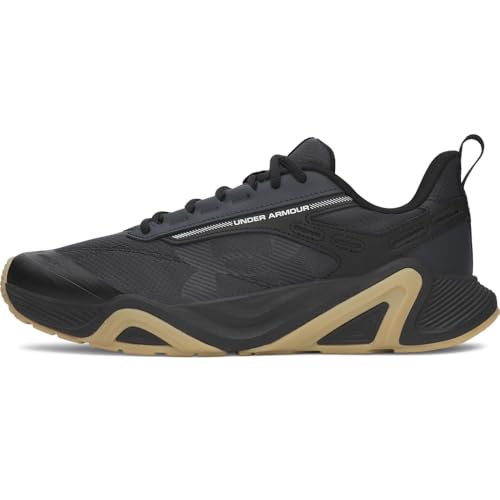
 Related pick
Avoid buying training shoes based on style or brand alone. Always focus on fit, intended activity, and support. Common mistakes include choosing running shoes for lifting, ignoring heel slip, and not replacing worn shoes. Test shoes with the socks you'll wear and assess comfort in your specific training movements.
Whether you are new to the gym or a seasoned athlete, picking the right training shoe can make or break your workout. Many people end up with shoes that cause discomfort, reduce performance, or even lead to injury. The good news? Most common training shoe buying mistakes are easy to avoid once you know what to look for. This guide will help you make a smart, informed choice that puts your training first.
1. Choosing Style Over Function
It is easy to fall for a shoe that looks great in the store or matches your gym outfit. But training shoes are tools, not fashion statements. A stylish shoe that does not support your foot or activity can lead to blisters, arch pain, or worse. Always prioritize how the shoe fits and performs for your specific workout over how it looks.
Remember that different training activities demand different features. A cross-training shoe is built for lateral moves and lifting, while a running shoe is designed for forward motion. If you buy a shoe because of its color or celebrity endorsement, you might end up with something that works against your goals. Let function be the deciding factor, and you will never regret your purchase.
2. Ignoring Your Arch Type and Foot Shape
Not every shoe works for every foot. Your arch type whether low, neutral, or high affects how your foot absorbs shock and stabilizes. Wearing a shoe that does not match your arch can cause overpronation or supination, leading to knee or ankle pain. Before you buy, try to determine your arch type by doing a wet test or visiting a specialty store for a fitting.
Foot shape matters too. Some shoes are narrow, some are wide, and some have a roomy toe box. If you have wide feet, forcing them into a narrow shoe will compress your toes and cause discomfort or even bunions. Conversely, a wide shoe on a narrow foot can lead to heel slippage. Always try shoes on both feet and with the socks you plan to wear during workouts.
3. Using Running Shoes for All Gym Activities
Running shoes are designed for forward motion with thick cushioning and a pronounced heel-to-toe drop. While they feel soft and bouncy for jogging, they are unstable for weightlifting or lateral exercises like lunges, side shuffles, or agility drills. The cushioning compresses under heavy loads, making you feel wobbly and reducing your ability to push off firmly.
For the gym, choose cross-trainers or weightlifting shoes if you do a lot of strength work. Cross-trainers have flatter soles, wider bases, and less cushioning to provide stability during lifts and side moves. If your routine mixes cardio and strength, a good cross-trainer is far safer and more effective than a running shoe. Keep your running shoes for running and your training shoes for everything else.
4. Buying the Wrong Size or Ignoring Fit Issues
Many people buy the same shoe size they always have, not realizing that sizing varies between brands and even models. A size 10 in one brand might feel like a 9.5 in another. Additionally, your feet may swell during the day or after a workout, so trying on shoes at the wrong time can lead to an improper fit. Always try on new shoes later in the day when your feet are slightly larger.
Watch for common fit issues like heel slip, pinching at the toes, or tightness across the widest part of your foot. You should have about a thumb’s width of space between your longest toe and the end of the shoe. Walk, jump, and mimic your typical workout moves in the store. If anything feels off, it probably will not improve with break in. Trust your feet, not the size on the box.
5. Not Considering Your Specific Training Needs
Every workout style has unique demands. If you primarily do heavy squats and deadlifts, you need a shoe with a hard, flat sole and minimal heel drop for maximum stability. If you do high intensity interval training with sprinting, jumping, and cutting, you need a shoe with responsive cushioning and solid lateral support. Buying a one size fits all shoe often means it does nothing well.
Think about your most frequent exercises. Do you run, lift, do plyometrics, or a mix? For hybrid workouts, a versatile cross-trainer is best. For specialized training, invest in specialized shoes. For example, Olympic weightlifters often use shoes with a raised heel for better squat depth. Listen to experts and experienced athletes in your sport the right shoe for your specific activities will support your goals and prevent injuries.
Frequently asked questions
How often should I replace my training shoes?
Replace training shoes every 300 to 500 miles of use, or every 6 to 12 months if you work out regularly. Pay attention to worn out tread, flattened cushioning, or new aches and pains.
Can I wear my training shoes for running?
It depends on the shoe. Cross-trainers are not designed for long distance running and may lack sufficient cushioning. Running shoes are better for running, while training shoes are better for gym work and lateral movements.
What is the most important feature in a training shoe?
The most important feature is fit. A shoe that fits well, matches your foot shape and arch, and supports your workout style will keep you comfortable and reduce injury risk. Cushioning and stability come second to proper fit.
Should I buy training shoes online or in store?
It is best to try on training shoes in store to assess fit and comfort. If you buy online, choose retailers with free returns and exchange policies so you can test the shoes at home and return them if they do not work.
Looking to buy? See our Footwear guides for tested picks.