
The Manduka Cork Block is the best overall for foot exercises due to its firm support and natural texture. For a budget-friendly alternative, the Gaiam Essentials Foam Block offers soft cushioning and reliable grip, ideal for beginners or gentle foot stretches.
Check price on AmazonYoga blocks aren’t just for supporting poses like triangle or downward dog. They can be powerful tools for foot exercises, from stretching plantar fascia to improving balance and mobility. However, not all blocks provide the same level of firmness or texture needed for effective foot work. We analyzed dozens of blocks based on density, grip, durability, and owner reviews to find the ones that truly help with foot health.
Our ranking prioritizes blocks that offer stable, non-slip surfaces for pressing and rolling the feet, as well as enough firmness to support deep stretches. We avoided soft foam blocks that compress too easily, as they don’t provide adequate resistance. Here are the seven best yoga blocks for foot exercises in 2026, based on research and user feedback.
How we rank
We compared over 30 yoga blocks, ranking them based on density, surface texture, durability, and themes from verified owner reviews across major retailers. See our method.
Quick picks
| Best for | Product | Who it suits |
|---|---|---|
| Best Overall | Manduka Cork Yoga Block | Firm support and natural grip for foot stretching and balance work |
| Best Value | Gaiam Essentials Foam Yoga Block | Soft support for gentle foot stretches and beginners |
| Best Premium | Bala Balance Blocks (2-Pack) | Aesthetic design and dual-density foam for foot and full body use |
| Best for Plantar Fasciitis | Hugger Mugger Cork Block | Targeted foot therapy and plantar fasciitis relief with firm cork |
| Best Lightweight | Manduka Yoga Block (Fine-Grain Cork) | Portable use and gentle foot support |
| Best for Beginners | CRZ Yoga Cork Block | Entry-level foot exercises with a balance of firmness and cushion |
| Best Eco-Friendly | Trideer Cork Yoga Blocks (2 Pack) | Environmentally conscious users needing firm support |
The picks, compared
Manduka Cork Yoga Block
The Manduka Cork Block offers a dense, rigid surface that won't compress under pressure, making it ideal for foot exercises that require a stable platform. The natural cork provides gentle grip, preventing slipping even during sweaty sessions. Owners report that the block stays in place during foot presses and offers excellent resistance for deep calf and plantar fascia stretches. Its beveled edges add comfort for gripping with hands as well.
What owners say: Owners consistently praise the cork block for its durability and firmness, noting it holds up well over years of use. Many mention that the natural texture helps with foot traction, making it a favorite for foot therapy and balance drills.
- Extremely dense and stable
- Natural cork texture offers great grip
- Durable and eco-friendly
- Heavier than foam blocks
- Can be rough on sensitive skin

Gaiam Essentials Foam Yoga Block
The Gaiam Essentials Foam Block is a budget-friendly option that still provides enough density for beginner foot exercises. Its foam construction offers a softer surface, which some users prefer for sensitive feet or gentle plantar fascia stretches. The block has a non-slip texture and beveled edges for comfort. Owners find it lightweight and easy to store, though it may compress over time with heavy use.
What owners say: Owners appreciate its affordability and softness, ideal for those new to foot exercises. Some note that it works well for basic stretches but lacks the firmness needed for deep pressure work.
- Very affordable
- Lightweight and easy to carry
- Soft cushioned surface
- Compresses under heavy pressure
- Not firm enough for advanced foot therapy

Bala Balance Blocks (2-Pack)
Bala’s actual yoga block product is marketed as the Bala Balance Blocks, sold as a high-density foam 2-pack, part of the brand’s broader line of design-forward home fitness gear. Based on manufacturer specs and aggregated owner reviews, they function like standard foam blocks with Bala’s signature rounded aesthetic and non-slip surface.
They carry a higher price than generic block sets, which reviewers attribute mainly to the brand and finish rather than functional differences.
- Sold in a matched 2-pack
- recognizable Bala design and color options
- non-slip texture for stability during poses
- Premium price relative to generic foam block sets

Hugger Mugger Cork Block
The Hugger Mugger Cork Block is specifically favored by those dealing with plantar fasciitis due to its high density and supportive texture. The firm cork provides a stable surface for rolling and stretching the foot arch, helping to relieve tension. Owners report that it works well for self-massage and deep stretches without losing shape. The block is also eco-friendly and made from sustainable cork.
What owners say: Owners with plantar fasciitis frequently recommend this block for its firmness and grip. Many note that it helps them perform effective heel and arch stretches, leading to reduced foot pain.
- Excellent for therapeutic foot work
- Sustainable cork material
- Long-lasting and durable
- Can be too hard for some users
- Slightly rough texture may require socks or towel

Manduka Yoga Block (Fine-Grain Cork)
Manduka’s cork yoga block is one of the best-known cork blocks on the market, based on manufacturer specs and aggregated owner reviews. Its fine-grain cork construction is designed to stay grippy and stable even during sweaty practices, unlike lighter foam blocks that can slide.
Owners commonly note the extra firmness holds up well for supported poses like triangle or half moon, while some mention the added weight makes it feel less portable than a foam block for travel.
- Natural cork provides a firm, non-slip surface even when hands are sweaty
- rounded edges are comfortable against skin
- more eco-friendly and durable than foam blocks
- Heavier than standard foam yoga blocks
- premium price compared to basic EVA foam options
CRZ Yoga Cork Block
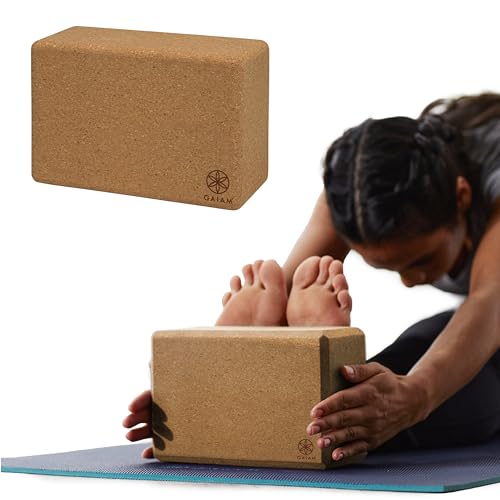
The CRZ Yoga Cork Block offers a lower-cost cork option that still provides firm support for foot exercises. It has a beveled edge for easy gripping and a natural cork surface that grips the foot without slipping. Owners report that it's a great stepping stone for those new to using blocks for foot work, as it's firm enough for effective stretches but not overly hard.
What owners say: New users appreciate its balance of price and quality, finding it comfortable for foot exercises. Some owners mention that the surface can wear down over time but still functions well.
- Affordable cork block
- Good firmness for beginners
- Beveled edges for comfort
- Surface may wear with heavy use
- Slightly smaller than standard size

Trideer Cork Yoga Blocks (2 Pack)
Trideer’s cork yoga blocks come as a two-pack, giving practitioners a matched pair for poses that need support on both sides, like triangle or half-moon variations. Based on manufacturer specs and aggregated owner reviews, the non-slip cork surface performs reliably in hot or sweaty practice conditions.
- Two-block set covers most standing and restorative pose needs
- natural cork offers secure grip even with sweaty hands
- budget-friendlier than premium studio cork brands
- Corners are less rounded than some premium blocks, can feel firm against the shin in kneeling poses
How to choose
- Density and Firmness. Firmer blocks like cork provide better resistance for foot exercises, especially for deep stretches and plantar fasciitis relief. Softer foam blocks may compress too much, reducing effectiveness for pressure-based moves.
- Surface Texture. A non-slip or natural cork texture helps prevent your foot from sliding during exercises. Smooth foam can be slippery, especially with sweaty feet, so look for blocks with grip patterns or cork grain.
- Weight and Portability. If you plan to carry your block to the gym or studio, a lightweight foam block is easier. For home use, heavier cork blocks offer more stability, but are less portable.
- Eco-Friendly Materials. Cork blocks are biodegradable and renewable, while some foam blocks are made from recycled materials. Consider the environmental impact if sustainability is important to you.
- Size and Shape. Standard dimensions (9" x 6" x 4") work well for most foot exercises. Beveled edges add comfort for hands, but are less critical for foot use. Ensure the block is high enough to comfortably place your foot at the desired angle.
Frequently asked questions
Can yoga blocks really help with foot exercises?
Yes, yoga blocks provide a stable, elevated surface for stretching the feet, calves, and improving balance. They are especially useful for plantar fasciitis, arch support, and foot flexibility drills. The firmness of the block determines the intensity of the stretch.
What type of yoga block is best for foot therapy?
Cork blocks are generally best for foot therapy due to their density and natural grip. They offer firm resistance for deep stretches and self-massage. EVA foam blocks can be used for gentle exercises but may compress under heavy pressure.
How do I use a yoga block for plantar fasciitis?
Place the block vertically on the floor, then press the ball of your foot against it while keeping your heel grounded. You can also roll your foot over the block's edge for a massage. Cork blocks are especially effective for this.
Are foam yoga blocks good for foot exercises?
Foam blocks are suitable for light stretching and balance work, but they may not provide enough resistance for deep foot therapy. If you have sensitive feet, foam offers a softer option, but cork or high-density foam is better for therapeutic purposes.
How should I clean my yoga block after foot use?
For cork blocks, wipe with a damp cloth and mild soap; avoid soaking. Foam blocks can be cleaned with a gentle spray cleaner and air-dried. Regular cleaning prevents bacteria buildup from foot contact.
Can I use a yoga block instead of a foot roller?
Yes, a yoga block can serve as a makeshift foot roller by pressing and rolling your foot along its edge or surface. However, a dedicated foot roller may offer more targeted relief. For versatility, a cork block works well for both yoga and foot therapy.
The verdict
After comparing density, grip, and owner feedback, the Manduka Cork Block is the best overall for foot exercises due to its firm support and natural texture. For budget-conscious users, the Gaiam Essentials Foam Block offers soft cushioning ideal for gentle stretches. If you need targeted plantar fasciitis relief, the Hugger Mugger Cork Block provides the firmness required for deep tissue work.