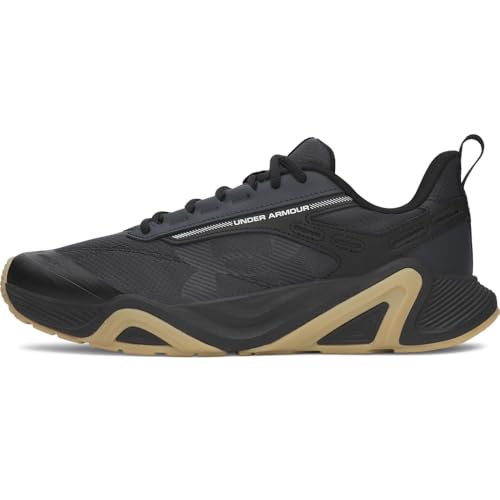
 Related pick
Look for training shoes that fit snugly, have a flat and firm sole for stability, provide lateral support, and match your primary workout type (e.g., weightlifting vs. HIIT). Breathability and durability also matter.
Whether you’re lifting heavy, sprinting on turf, or tackling a HIIT circuit, the right training shoes can improve performance and prevent injury. With countless options on the market, it’s easy to get overwhelmed. This buyer’s guide breaks down what truly matters so you can make a smart choice based on your fitness routine, foot type, and personal preferences.
Fit and Size: Snug but Not Tight
The most important factor in any training shoe is how it fits. A proper fit ensures stability and comfort during dynamic movements. Your toes should have a little wiggle room without sliding forward when you lunge or squat. The heel should lock in place with no slipping, which helps prevent blisters and instability.
Keep in mind that training shoes often fit differently than running shoes. Running shoes typically have a roomier toe box, while training shoes are built for lateral stability and a closer fit. Try them on with the socks you plan to wear to the gym. If there is extra space around the sides or heel, try a half size down or a different model.
Remember that materials break in over time. Leather or synthetic uppers will stretch slightly, while mesh stays more true to size. A secure fit from day one is critical for safety during weightlifting or agility drills.
Sole Type: Flat and Firm for Stability
The sole of a training shoe is arguably its most defining feature. For weightlifting and strength work, you want a flat, non compressible sole. This creates a solid base for squats, deadlifts, and lunges, allowing force transfer directly from your feet to the floor. A thick, cushioned sole with a lot of heel drop can make you unstable under heavy loads.
For general fitness and CrossFit style workouts, look for a shoe with a low stack height and minimal heel to toe drop (0 4mm). This keeps you closer to the ground and supports proper lifting form while still providing some cushion for box jumps or running short distances. Avoid overly soft or bouncy soles, as they reduce stability and can lead to ankle rolling.
Some training shoes have a segmented sole or a flex groove at the forefoot to allow natural bending during pushes or sprints. This is fine as long as the midsole remains firm enough for lifts. Ultimately, your sole should match your primary activity: flat for lifting, slightly more flexible for conditioning.
Support and Stability: Lateral Control Matters
Training involves a lot of side to side movement: lateral lunges, shuttle runs, and agility drills. Unlike running, which is linear, training demands shoes that provide sturdy lateral support. Look for a shoe with a wide base and a firm heel counter (the part that wraps around the back of your foot). This prevents your foot from sliding sideways when you cut.
Also consider the midfoot support. A reinforced shank or a medial post can help control overpronation if your feet roll inward. However, many neutral training shoes work fine for people with normal arches. If you require arch support, look for a removable insole that allows custom orthotics.
Ankle support is often overrated in training shoes. Most modern training shoes are low tops, relying on the outsole width and heel lock instead of a tall collar. That said, if you have a history of ankle sprains, a slightly higher cut or a bootie construction can give you extra confidence.
Durability and Materials: Built to Last
Training shoes take a beating. You will drag them across rough gym floors, drop weights on them, and perhaps wear them outdoors. Look for reinforced areas, especially in the toe cap and upper sidewalls. Rubber toe guards or overlays protect against abrasion from rope climbs or drags.
The outsole rubber should be dense and have a tread pattern that grips well on both rubber gym floors and turf. Herringbone or dot patterns are common. Avoid shoes with large exposed foam sections on the sole, as they wear out quickly. A full rubber outsole is ideal for longevity.
Upper materials should be breathable yet tough. Mesh is light and airy but can tear. A combination of mesh with synthetic leather or knit with TPU overlays offers a good balance. Double stitching and no glue marks are signs of quality construction.
Choosing Based on Your Workout Style
Your training routine should dictate the shoe you buy. If you primarily lift weights in the gym, a dedicated weightlifting shoe with a raised heel can improve squat depth and posture. For circuit training or CrossFit, a versatile trainer that handles both lifting and light running is best.
If you do lots of HIIT or bootcamp classes, prioritize lightweight shoes with a secure fit and moderate cushioning for high impact moves like burpees and jump squats. Avoid running shoes for these because their tall cushioning makes landings unstable during lateral jumps.
For athletes who mix sport specific drills, look for court shoes or trainer hybrids that offer excellent grip and lateral support. Remember that no single shoe does everything perfectly. It’s okay to have a pair for lifting and a different pair for conditioning.
Frequently asked questions
Should I buy training shoes for weightlifting only?
If you exclusively lift weights, weightlifting shoes with a raised heel (0.75 inch) offer excellent stability and depth. For general training that includes other movements, a flat sole cross trainer is more versatile.
How often should I replace my training shoes?
Replace training shoes every 6 to 12 months depending on frequency. Signs include worn out tread, compressed midsole, and loss of support.
Can I use running shoes for training?
Running shoes lack lateral support and have a high stack height, making them unstable for lifting or side cuts. They are fine for treadmill warm ups but not for strength or agility work.
Do I need arch support in training shoes?
If you have flat feet or overpronate, look for stability features or use custom orthotics. Neutral arches work fine with most neutral training shoes.
Looking to buy? See our Footwear guides for tested picks.