A spin bike uses a heavy flywheel and direct resistance to simulate road cycling, offering a more intense, standing-friendly workout. An exercise bike often has a smoother, quieter magnetic resistance and a more upright seat, making it better for low impact cardio and casual riders.
Walking into a gym or scrolling through fitness gear can be confusing when you see two very different types of stationary bikes. On one side, there are spin bikes that mimic the feel of an actual road bike. On the other, exercise bikes (often called upright or recumbent bikes) focus on comfort and steady cardio. They both get you pedaling indoors, but the experience and results can be worlds apart. This guide breaks down the honest differences so you can pick the right fit for your body and your goals.
What Makes a Spin Bike Different?
A spin bike is built for intensity. Its most defining feature is a heavy flywheel, usually 30 to 50 pounds, that creates momentum. When you pedal, the flywheel keeps spinning, which means you can stand up and push hard without the bike coming to a dead stop between strokes. This is why spin classes feel so high energy. You can simulate climbing hills by turning a knob that adds friction to the flywheel, often using a felt pad or a magnetic brake.
Spin bikes also have a geometry closer to a road bike. The seat is narrow and positioned high, the handlebars are low and far forward. This aggressive posture forces your core to engage and lets you really crank out power. Many models have clip in pedals for cycling shoes, which helps you pull up as well as push down. If you like to sweat, stand up, and push your limits, a spin bike is the honest choice.
However, that aggressive position can be uncomfortable if you have back pain or want to watch TV while pedaling. The seat is often firm, and the lack of preset programs means you control the resistance manually. It is a tool for active, high effort training, not for zoning out.
What Makes an Exercise Bike Different?
An exercise bike, sometimes called an upright stationary bike, is designed more for comfort and convenience. Most models use a lighter flywheel or a magnetic resistance system that is quiet and smooth. Instead of a friction pad that can wear out, magnetic resistance works by moving magnets closer to the flywheel. This means the ride is whisper quiet and requires almost no maintenance.
The seating position is more upright, with the pedals directly below you. The seat is wider and padded, and the handlebars come closer to your body. This geometry is easier on your lower back and wrists. You can lean back, hold a book, or watch a screen without straining. Many exercise bikes come with built in programs, heart rate monitors, and even Bluetooth for virtual rides. They often have a lower weight capacity and a smaller footprint.
The trade off is that the workout feels less intense. Because the flywheel is lighter, standing up can make the bike wobble or stop the pedals. The magnetic resistance provides a steady feel but lacks the road like surge of a spin bike. For steady state cardio, light interval work, or rehab, an exercise bike is a solid choice. But if you want to mimic outdoor cycling or get a class style sweat, it may leave you bored.
Workout Intensity and Muscle Engagement
Spin bikes are built for high intensity interval training (HIIT). The heavy flywheel and direct resistance let you stand and sprint, then sit and grind up a virtual hill. This recruits more muscle fibers in your quads, hamstrings, glutes, and even your upper body when you pull on the handlebars. Standing pedaling also adds a core stability challenge. Many spin enthusiasts report better leg muscle development and endurance over time.
Exercise bikes encourage a more steady paced cadence. You can still do intervals by increasing resistance, but the smooth magnetic system makes it harder to create that explosive surge. Because the seat is upright and the pedals are directly below, you rely more on your quads and less on your glutes. Upper body engagement is minimal. The exercise bike is fantastic for low impact cardio that is kind to your joints, but if your goal is maximum calorie burn in a short time or improving cycling specific strength, a spin bike often wins.
Both bikes let you adjust resistance, but the spin bike demands more attention to form and effort. With an exercise bike, you can pedal on autopilot while reading. That’s not a bad thing for some days, but it’s a different training stimulus.
Comfort, Noise, and Maintenance Considerations
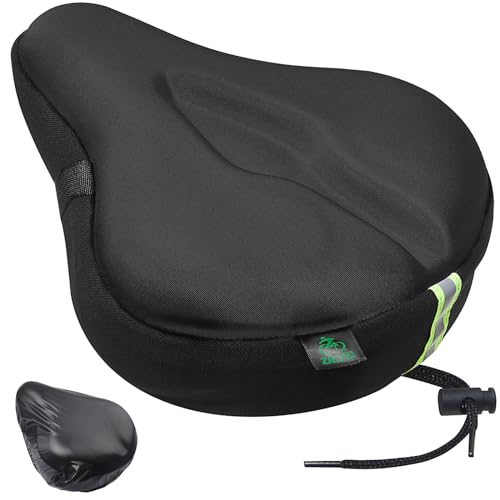
Comfort is where exercise bikes generally excel. The padded seat, upright posture, and lower step through frame make them accessible for beginners, older adults, or anyone with lower back issues. Spin bike seats are notoriously hard, and you may need padded shorts or a gel cover to stay comfortable for more than 30 minutes. The aggressive forward lean can also strain your wrists and neck if your bike fit isn’t dialed in.
Noise is a big factor if you live in an apartment or want to ride while others sleep. Spin bikes with felt pad resistance can be loud, especially when you stand and pedal hard. Exercise bikes with magnetic resistance are nearly silent. Some spin bikes now have magnetic resistance too, but those tend to cost more. Maintenance on a spin bike includes replacing the felt pad every year or two and occasionally tightening the belt. An exercise bike typically needs little more than a wipe down.
Another practical point: pedals. Spin bikes almost always come with dual sided pedals (clip in on one side, toe cages on the other). That means you might need special shoes. Exercise bikes usually have flat pedals with straps, so you can wear any athletic shoe. If you plan to share the bike with family, the exercise bike is more user friendly.
Which Should You Choose?
Deciding between a spin bike and an exercise bike comes down to your personality and your fitness goals. If you are the type who loves a challenge, wants to simulate outdoor riding, and is willing to put in focused effort for 30 to 45 minutes, a spin bike is the honest answer. You will get a harder workout in less time, and you can easily follow spin classes online. Be ready for a less forgiving seat and more noise.
If you value comfort, low maintenance, and the ability to pedal while listening to a podcast or watching a movie, pick the exercise bike. It is better for longer, moderate paced rides, joint friendly recovery, and households where multiple people will use it. You can still get a great sweat, but the intensity ceiling is lower.
There is no universal best. Some people even own both: a spin bike for serious training days and an exercise bike for active recovery or lazy evening rides. Listen to your body and be honest about what will keep you moving consistently. The right bike is the one you actually ride.
Frequently asked questions
Can you lose weight on a spin bike or exercise bike?
Yes, both can help with weight loss if you combine them with a calorie deficit. Spin bikes tend to burn more calories per minute due to higher intensity, but the best bike is the one you use consistently.
Is a spin bike harder on your knees than an exercise bike?
Not inherently, but poor form on a spin bike can stress your knees. Exercise bikes are generally more forgiving. Always adjust the seat height properly and avoid grinding too low a cadence.
Are spin bikes good for beginners?
Spin bikes can be intimidating for beginners due to the aggressive posture and intense resistance feel. Many beginners prefer an exercise bike to build base fitness before moving to spin.
Which bike is more durable long term?
Both can be durable, but spin bikes with felt pad resistance require periodic pad replacement. Magnetic resistance on exercise bikes has fewer moving parts and often lasts longer with less maintenance.
Looking to buy? See our Exercise Bikes guides for tested picks.