 Related pick
Use an ice pack within 48 hours of an intense workout to reduce inflammation and acute pain. Switch to a heating pad after 48 hours to relax tight muscles and increase blood flow for recovery.
After a tough workout, your muscles might feel sore, achy, or tight. Many athletes wonder whether to reach for an ice pack or a heating pad. The answer depends on the type of pain and when the workout happened. This guide explains the science behind each option and when to use them for the best recovery.
Ice pack benefits and when to use it
Ice packs work by constricting blood vessels and reducing blood flow to the injured or stressed area. This helps decrease inflammation and swelling, which often occurs right after a high intensity workout or if you have pulled a muscle. The cold also numbs the area, providing pain relief for acute injuries.
Best time to use: within the first 48 hours after a workout, especially if you feel sharp pain, see swelling, or suspect a strain. Apply ice for 15 20 minutes at a time, with a cloth between the ice and your skin to prevent frostbite. You can repeat every 2 to 3 hours.
Athletes often use ice after heavy weightlifting, sprinting, or any workout that causes micro tears in muscles. It is also effective for tendonitis or joint flare ups. Do not use ice on areas with poor circulation or if the skin is numb.
Heating pad benefits and when to use it
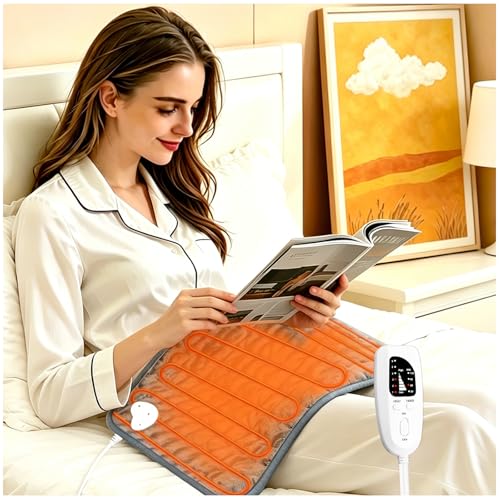
Heating pads increase blood flow by dilating blood vessels, which relaxes tight muscles and relieves stiffness. Heat also helps soothe chronic muscle pain that feels like a dull ache or tightness, especially before activity. It can also ease joint stiffness from arthritis or overuse.
Best time to use: after the 48 hour window post workout for muscle soreness that feels like general fatigue or tightness. Also use heat before a workout to loosen up cold muscles and increase flexibility. Apply heat for 15 20 minutes. Avoid falling asleep with a heating pad on as it can cause burns.
Heating pads are ideal for lower back tightness, neck tension, or any muscle that feels like a knot. Do not use heat on swollen areas or fresh injuries as it can increase inflammation.
Which one for different types of pain?
Acute injuries like a pulled hamstring, ankle sprain, or sudden muscle tear call for ice immediately. Chronic pain like ongoing lower back tightness or stiff shoulders responds better to heat. If you have both inflammation and tightness, start with ice to reduce swelling, then switch to heat after a couple of days.
For general post workout soreness (delayed onset muscle soreness, DOMS) that sets in 24 to 72 hours later, many experts recommend a combination. Ice within the first day, then heat later to increase circulation and flush out waste products.
If the pain is sharp and persists beyond a few days, consult a healthcare provider. Neither ice nor heat should be used on broken skin or if you have conditions like diabetes that affect sensation.
Combining ice and heat therapy
Some people find contrast therapy, alternating ice and heat, works well for recovery. The idea is that cold reduces inflammation while heat promotes blood flow, and the switch can act like a pump to flush out metabolic waste. However, this is not well studied and may not be suitable for everyone.
A typical contrast routine: start with heat for 3 minutes, then ice for 1 minute, repeat 3 to 5 times. Always end with ice if you have swelling, or with heat if you are trying to relax muscles. Listen to your body and stop if it causes discomfort.
Contrast therapy is often used in sports medicine for joint injuries but should be avoided if you have circulatory issues or heart conditions. Stick to one or the other if you are unsure.
Tips for safe and effective use
Always protect your skin: place a thin cloth between the ice or heat source and your skin. Limit sessions to 15 20 minutes to avoid burns or frostbite. Give your skin a break of at least 1 hour between applications. Never use heating pads while sleeping or on areas that are numb.
For ice, use gel packs, ice cubes in a bag, or even a bag of frozen vegetables. For heat, electric heating pads, hot water bottles, or warm towels work. Do not apply heat to areas that are already hot or inflamed. Stay hydrated and combine therapy with gentle stretching for best results.
If symptoms worsen or the area becomes red, hot to the touch, or more painful, stop and see a doctor. Proper use of ice and heat can significantly improve your recovery, but they are tools, not cures.
Frequently asked questions
Should I use ice or heat for muscle knots?
Heat is generally better for muscle knots as it relaxes the tight fibers. Apply a heating pad for 15 minutes before gentle massage or stretching.
Can I use ice and heat together after a workout?
Yes, but wait at least 2 days after the workout or injury. Start with ice to reduce inflammation, then switch to heat after 48 hours to promote blood flow.
How long should I ice or heat after a workout?
Apply for 15 to 20 minutes per session. Do not exceed that as it can damage skin or tissues. Repeat every 2 to 3 hours as needed.
Is it safe to sleep with a heating pad?
No. Sleeping with a heating pad increases the risk of burns and overheating. Use a timer or auto off model, and remove it before sleeping.
Looking to buy? See our Balance Recovery guides for tested picks.