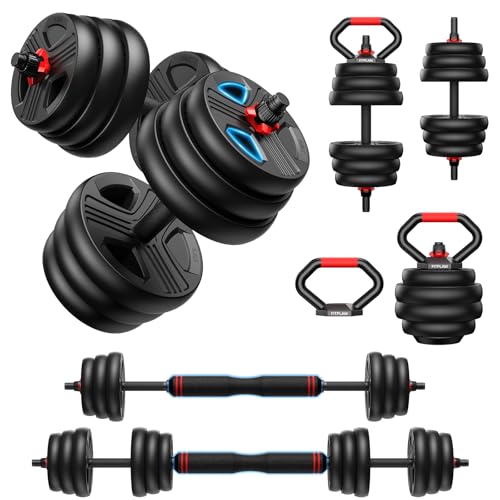
 Related pick
Many exercise machine myths persist, like spot reduction from ab machines or that treadmills burn more calories than ellipticals. The truth? No machine targets fat in one area, and calorie burn depends on effort, not the machine. Focus on consistency and intensity, not marketing claims.
Walk into any gym, and you will see a lineup of machines promising toned thighs, flat abs, and sky high calorie burns. But how many of those promises actually hold up? At SweatPicks, we believe in evidence based fitness that puts your goals first. In this article, we will break down five persistent myths about exercise machines, separating fact from fiction so you can work out smarter.
Myth 1: Ab Machines Give You Six Pack Abs in No Time
If you have ever seen an infomercial for an ab machine, you likely heard claims that using it for a few minutes a day will chisel your midsection. The reality is that no machine can spot reduce fat from your stomach. Your abs are muscles, and like any muscle, they grow stronger with resistance training. But they lie beneath a layer of body fat, and you cannot choose where your body loses fat.
To see your abdominal muscles, you need to lower your overall body fat percentage through a combination of a healthy diet and full body workouts. Ab machines can strengthen your core, but they will not magically reveal a six pack. Instead of relying on a single machine, focus on compound movements like squats, deadlifts, and planks, along with consistent cardio and proper nutrition.
Myth 2: The Treadmill Burns More Calories Than the Elliptical
Many gym goers believe that running on a treadmill torches more calories than using an elliptical. While it is true that running generally burns more calories than walking or low intensity cycling, the elliptical can provide a comparable calorie burn if you use it correctly. The key is effort. On the elliptical, you can increase resistance and maintain a high stride rate to elevate your heart rate.
Additionally, the elliptical offers a lower impact alternative, which can allow you to exercise longer without joint pain. A 30 minute high intensity session on the elliptical can rival a 30 minute run. The best machine is the one you will use consistently. So do not dismiss the elliptical as a calorie soft option. Put in the work, and it will deliver results.
Myth 3: Weight Machines Are Safer and Better Than Free Weights
Weight machines are often marketed as the safer, more beginner friendly option because they guide your movement along a fixed path. While they can be useful for isolation exercises or rehabilitation, they are not inherently superior to free weights. Free weights, such as dumbbells and barbells, engage stabilizer muscles that machines ignore, leading to more functional strength and better overall muscle development.
The safety argument also depends on proper form. Both machines and free weights can cause injury if used incorrectly. Machines can actually create unnatural movement patterns that stress joints, especially if the machine does not fit your body. A balanced routine includes both types of equipment. Start with machines to learn a movement, then progress to free weights for greater neuromuscular adaptation.
Myth 4: The Stair Climber Will Make Your Thighs Bulky
A common fear, especially among women, is that using the stair climber will build bulky, muscular thighs. This myth stems from the idea that any resistance training leads to large muscles. However, building significant muscle mass requires dedicated, heavy resistance training and often a calorie surplus. The stair climber is primarily a cardiovascular exercise that tones your lower body without substantial bulk.
What you are likely to experience is improved endurance and muscle definition, not increased size. If your goal is to slim down, focus on a calorie deficit and incorporate the stair climber as part of a varied cardio routine. The idea that a machine alone will make you bulky is unfounded. Your genetics and overall training volume dictate muscle growth, not a single piece of equipment.
Myth 5: You Need an Expensive Machine to Get a Good Workout at Home
Home gym ads often suggest that without a multi thousand dollar machine, your workouts are ineffective. This is simply not true. Bodyweight exercises, resistance bands, and a simple set of dumbbells can provide a challenging workout that rivals any machine based program. Many effective exercises like push ups, squats, lunges, and rows require minimal equipment.
Even if you own a machine, variety is important for continued progress. Your body adapts quickly, and using the same machine every day leads to a plateau. Instead of spending heavily on a single machine, invest in a few versatile pieces of equipment and a good workout plan. Consistency, progressive overload, and proper nutrition matter far more than the machine you are using.
Frequently asked questions
Can using a vibration plate machine help me lose weight?
Vibration plates are not a weight loss miracle. While they may improve muscle activation and circulation, they burn very few calories and are no substitute for regular cardio and strength training.
Is it true that rowing machines work every muscle in your body?
Rowing machines provide an excellent full body workout, targeting legs, back, arms, and core. However, they do not work every muscle equally, so you still need complementary exercises for chest and shoulders.
Do recumbent bikes burn fewer calories than upright bikes?
Recumbent bikes can burn just as many calories if you maintain the same effort level. The key is intensity, not the bike design. Recumbent bikes are often more comfortable for longer sessions.
Should I avoid using weight machines if I want to build functional strength?
Not at all. Weight machines can build strength, but they should be combined with free weights and bodyweight exercises for better functional carryover. Use machines to target specific muscles, then add compound movements.
Looking to buy? See our Exercise Machines guides for tested picks.